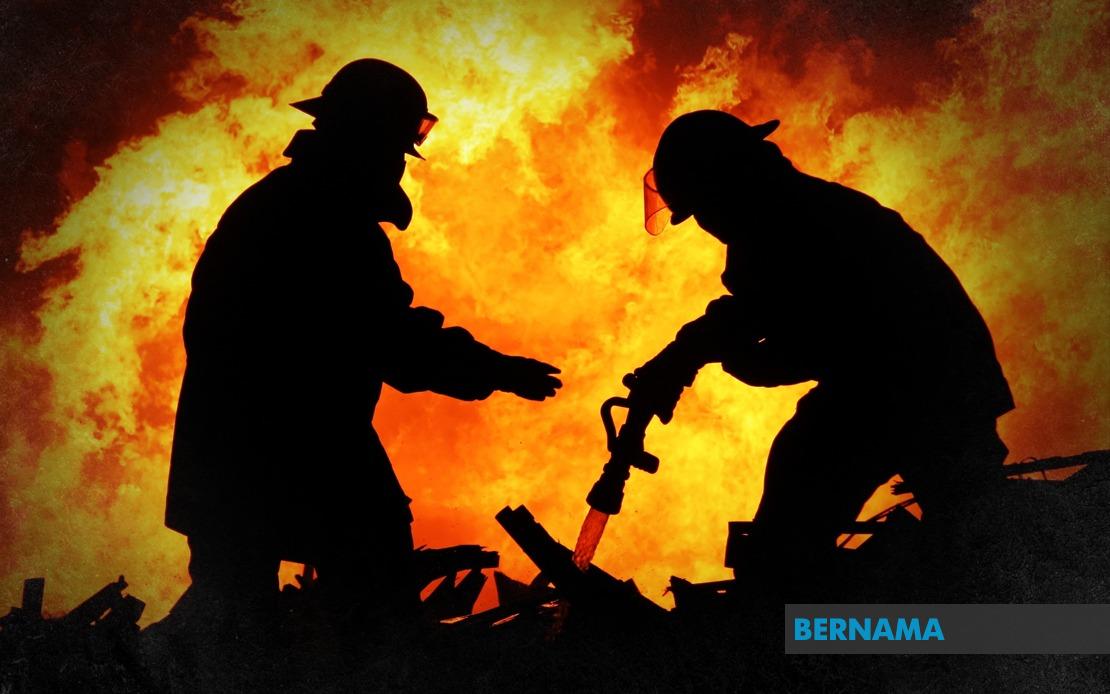
A devastating explosion at a firecracker manufacturing facility in India's Gujarat state has claimed nine lives, with six additional workers suffering injuries from the blast. The incident occurred at "Talent Fireworks" in the Vastral area of Ahmedabad, underscoring persistent safety challenges in India's informal manufacturing sector.
The factory was operating without proper licensing, a violation that authorities say contributed to the catastrophic nature of the accident. Police have detained the factory owner as investigations continue into the circumstances surrounding the explosion. The facility's lack of formal authorisation highlights how regulatory oversight remains uneven across India's industrial landscape, particularly in sectors dealing with combustible or dangerous materials.
Prime Minister Narendra Modi responded to the tragedy by announcing immediate financial support through the Prime Minister's National Relief Fund. Each family of the deceased will receive 200,000 rupees, equivalent to approximately RM8,490. This gesture, while providing tangible assistance, reflects the government's acknowledgement of the families' loss and the state's responsibility toward victims of industrial accidents.
Complementing the central government's relief measures, Gujarat Chief Minister Bhupendra Patel announced that the state government would provide additional compensation of 400,000 rupees, roughly RM16,980, to each bereaved family. This combined federal and state approach aims to provide meaningful financial support, though many observers note that monetary compensation, however substantial, cannot fully address the loss of life and livelihood disruption experienced by affected communities.
The Talent Fireworks explosion exemplifies a recurring problem across India's manufacturing sector. Firecracker production facilities have been the site of numerous industrial disasters over the past two decades, often resulting in significant casualties. These incidents are frequently attributed to inadequate workplace safety standards, poor enforcement of existing regulations, and the operation of factories without proper authorisation or safety infrastructure.
The lack of licensing at the Vastral facility is particularly troubling given that firecracker manufacturing involves handling explosive materials that demand stringent safety protocols. Unlicensed operations typically bypass mandatory safety inspections, worker training requirements, and equipment standards designed to prevent exactly this type of catastrophic failure. The absence of these safeguards creates conditions where even minor incidents can rapidly escalate into large-scale tragedies.
For Malaysian readers and businesses, the Gujarat incident serves as a cautionary reminder of the importance of robust regulatory frameworks and their consistent enforcement. Malaysia's own industrial safety standards and workplace regulations, while generally more stringent than in some neighbouring countries, require continuous vigilance. The incident underscores why regional cooperation on industrial safety standards, worker protections, and cross-border regulatory alignment remains relevant for Southeast Asian economies engaged in manufacturing and trade.
The firecracker industry in India operates within a complex landscape of regulations intended to manage the inherent dangers of explosive materials production. However, gaps between formal rules and ground-level compliance remain substantial, particularly in smaller operations and rural industrial zones where oversight capacity is limited. The Talent Fireworks case demonstrates that written regulations prove ineffective without adequate inspection infrastructure and meaningful penalties for violations.
Worker protection emerges as a critical concern from this incident. Many employees in unlicensed factories often lack formal safety training, appropriate protective equipment, and access to emergency response systems. The nine workers who died at Talent Fireworks were likely unaware of the elevated risks they faced, having no way to know that their workplace operated outside legal frameworks designed to protect them.
Investigators will examine whether the explosion stemmed from equipment failure, improper storage of volatile materials, inadequate ventilation, or worker error—questions that take on added complexity in facilities lacking proper documentation and safety records. The unlicensed status suggests that no formal incident history or maintenance records were being maintained, eliminating a crucial early-warning system for potential hazards.
Beyond the immediate humanitarian response, the incident highlights the need for India to strengthen factory inspection regimes and impose more substantial penalties for operating without licenses. Fines and compensation requirements must exceed the financial benefits gained from avoiding safety investments, creating genuine deterrence. Additionally, worker awareness campaigns and accessible reporting mechanisms could help identify dangerous operations before tragedies occur.
The international business community, including Malaysian firms with ties to Indian suppliers or manufacturing partners, should recognise that industrial safety incidents create reputational and supply chain risks. Companies are increasingly expected to conduct due diligence on partner facilities, ensuring compliance with both local regulations and international safety standards.
As investigations proceed and compensation payments are processed, the families left behind face not only grief but also economic disruption. Many workers in India's informal manufacturing sector lack adequate insurance or savings, making government compensation—though welcome—insufficient to restore their circumstances. The incident underscores the broader need for improved social safety nets and occupational health protections across the region.

