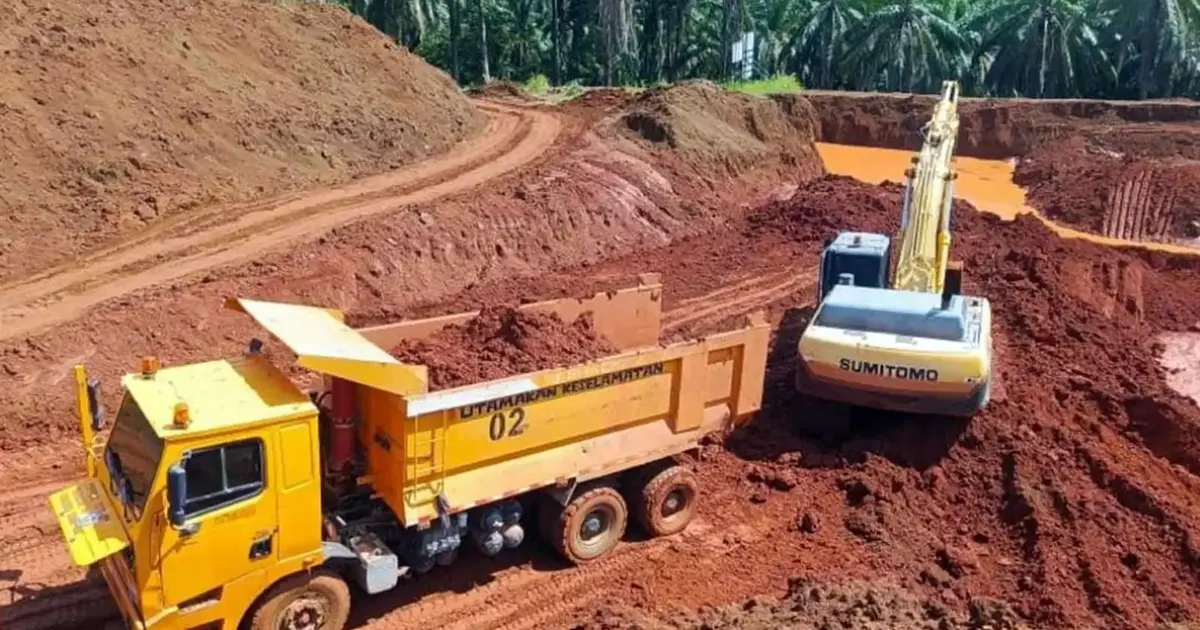
The General Operations Force has arrested nine people, including several foreign nationals, during a significant enforcement operation targeting illegal bauxite mining activities at a Felda plantation. The raid resulted in the seizure of assets valued at RM3.75 million, marking a substantial blow against organised illegal mining operations in the country. The suspects are believed to have been orchestrating systematic extraction and processing of bauxite ore beyond the bounds of legal authorisation.
Illegal bauxite mining has emerged as a persistent problem across Malaysia, particularly in areas where mineral deposits are abundant and enforcement resources are stretched thin. The mineral, used in aluminium production, has become the target of organised criminal networks seeking quick profits with minimal investment in proper licensing and environmental compliance. These operations typically operate with little regard for land restoration obligations or the ecological damage they inflict on surrounding communities and agricultural land.
The seizure of RM3.75 million in assets points to the financial scale and profitability of these unlicensed operations. The confiscated materials, equipment, and other valuables suggest that the arrested individuals had been conducting business at a level capable of generating substantial returns. This level of financial activity often involves layered supply chains connecting miners, transporters, and buyers, many of whom operate across regional borders, complicating enforcement efforts for Malaysian authorities.
The involvement of foreign nationals in this operation highlights the transnational dimension of illegal mining syndicates. These networks frequently recruit workers from neighbouring countries, attracted by promises of employment and wages significantly higher than available in their home nations. However, such workers often find themselves trapped in exploitative arrangements with limited recourse to legal protection, performing dangerous labour in inadequately regulated mining sites.
Felda plantations, which cover substantial land areas across Malaysia, are vulnerable targets for illegal mining operations. The vastness of these tracts, combined with the high iron oxide content of bauxite deposits present in Malaysian soil, creates opportunities for determined operators to establish mining sites in remote sections before detection. The agricultural focus of Felda management sometimes means that unauthorised mineral extraction can proceed undetected for extended periods until neighbouring communities report suspicious activity.
The environmental cost of illegal bauxite mining extends far beyond the immediate mining site. The process of extracting and initially processing bauxite ore generates significant volumes of red mud and contaminated water, which can seep into groundwater systems and affect agricultural productivity across wide areas. Communities adjacent to illegal mining operations frequently report water pollution, soil degradation, and health concerns linked to dust and chemical exposure. The restoration of mined lands often falls to the state when operations are shut down, imposing substantial financial burdens on government budgets already stretched across multiple competing priorities.
The General Operations Force's investigation into these suspects will likely reveal the structure of the supply chain feeding illegal bauxite into regional markets. Malaysian bauxite, despite legal export restrictions on raw ore, continues to reach buyers in Southeast Asia and beyond through networks that exploit regulatory gaps and rely on falsified documentation. Understanding these channels is critical for disrupting the economic incentive that drives illegal mining at the ground level.
Regional cooperation remains essential for combating cross-border illegal mining networks. Bauxite extracted in Malaysia sometimes transits through neighbouring countries for processing and sale, requiring coordinated intelligence-sharing and enforcement between regional law enforcement agencies. The ASEAN framework, while providing a foundation for such cooperation, faces practical challenges in implementation due to differing regulatory standards and the mobility of transnational criminal syndicates.
For Malaysia's broader development goals, addressing illegal mining is particularly important given the country's commitment to sustainable agricultural productivity and environmental preservation. Foreign investors and international certification bodies increasingly scrutinise Malaysia's enforcement record regarding illegal extractive activities and environmental protection. The reputational consequences of uncontrolled illegal mining can extend to sectors far removed from mining itself, affecting investment decisions and market access for legitimate Malaysian exports.
The arrest and asset seizure represent important tactical successes in the ongoing enforcement struggle, yet sustained progress requires investment in border surveillance technology, intelligence networks among communities bordering plantation lands, and international cooperation mechanisms that respond with sufficient speed to shut down operations before they establish deep operational roots. Without such systemic approaches, individual enforcement operations, however impressive in their immediate results, risk treating symptoms rather than addressing the underlying conditions that make illegal bauxite mining economically attractive to criminal networks operating across the region.

