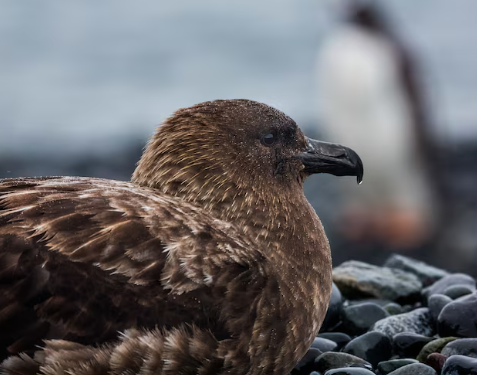
New Zealand confirmed its first detection of H5N1 bird flu this week when a brown skua seabird tested positive after washing ashore near Wellington, according to Biosecurity Minister Andrew Hoggard. The discovery marks the arrival of the deadly strain on the last inhabited continent still free from the virus, following detections across North America, Europe, Asia and Africa over the past three years. The single case in the migratory seabird underscores how rapidly the pathogen continues to traverse global shipping routes and migration corridors, despite months of preparation by New Zealand's biosecurity agencies.
The H5 strain has proved extraordinarily destructive since emerging in 2021, ravaging wild bird populations, decimating poultry operations, and breaching species barriers to infect livestock and farm workers across multiple continents. Australia, New Zealand's closest neighbour and traditionally its epidemiological bellwether, recorded 14 confirmed or presumed positive detections before New Zealand's case arrived. New Zealand's public health officials have spent recent months studying Australia's experience to anticipate how the virus might behave in their own wildlife networks, though direct comparisons remain imperfect given the distinct ecological composition of each nation's fauna.
Hoggard's statement emphasised the absence of broader signs of contamination—no evidence of die-offs among wild bird populations, no inter-species transmission documented among native birds, and critically, no confirmed infection in domestic poultry stocks. This measured response reflects lessons learned from outbreaks elsewhere, where early detection without widespread establishment has occasionally allowed authorities to contain spread. The detection protocol itself represents years of investment in surveillance infrastructure and laboratory capacity, enabling rapid identification rather than delayed discovery after ecological catastrophe.
Yet the very evolutionary history that has made New Zealand's birdlife extraordinary now renders it uniquely vulnerable to avian influenza. Over millions of years of geographic isolation, the archipelago's birds evolved without exposure to terrestrial mammalian predators, producing flightless species, ground-nesting colonies, and defensive behaviours poorly suited to rapid novel threats. The kiwi, takahe, kakapo and other iconic species occupy ecological niches found nowhere else on Earth, but that endemism cuts both ways—what protected them from ancient dangers now leaves them defenceless against pathogens that decimated different bird populations elsewhere.
The vaccination programme unveiled by health officials targets the genetic and ecological core of conservation efforts: 300 breeding individuals drawn from five of the nation's most critically endangered species. These birds represent irreplaceable repositories of genetic diversity for species teetering on extinction. The takahe and kakapo, both flightless parrots with minute remaining populations, feature prominently in the vaccination strategy. Officials hope that protecting these breeding nucleus populations will preserve the option for future population recovery, even if the virus penetrates broader wild populations.
Brett Gartrell, a wildlife health specialist at Massey University, articulated the existential dimension of the threat. New Zealand's endangered birds have never encountered a pathogen of H5N1's virulence and transmissibility; their immune systems evolved in the absence of such challenges. Unlike wild bird populations in Europe or Asia that possess some degree of acquired resistance through prior exposure to less severe avian flu variants, New Zealand's isolated species begin from zero biological preparation. Gartrell warned that rapid spread could render even the vaccination programme insufficient—that if viral transmission outpaces immunity development in the core breeding cohorts, extinction could still claim species despite emergency intervention.
The epidemiological calculus facing New Zealand officials involves competing timelines and probabilities. The virus has already demonstrated capacity for intercontinental leap-frogging, arriving despite stringent border controls. Yet the fact that only a single seabird has tested positive weeks or months after potential initial entry suggests either that transmission chains have not yet established, or that the virus remains confined to migratory birds without jumping into resident populations. The next weeks and months will determine whether New Zealand's geographical isolation and biosecurity apparatus can slow or halt establishment of sustained viral circulation.
For the broader Southeast Asian region, New Zealand's situation carries indirect but significant implications. The pathways that brought H5N1 to the South Pacific—migratory waterfowl routes, international trade networks, human travel—remain equally relevant to countries bordering the region. Malaysia and its neighbours have experienced episodic poultry outbreaks linked to H5N1 over the past two decades. New Zealand's experience in vaccinating wild populations and protecting endangered species offers a case study in adaptive management that regional veterinary authorities may need to reference if the virus threatens commercially or ecologically important bird populations.
New Zealand's preparation for this moment reflects institutional learning from global precedent. The fact that the country had developed poultry industry contingency plans, stockpiled vaccines, and designed wildlife protection protocols before the virus arrived demonstrates the value of anticipatory governance. Yet as Gartrell's warnings underscore, preparation remains distinct from certainty. The country's response over the coming months will test whether technological intervention and ecological knowledge can overcome the novel threat posed by a pathogen meeting a naive and irreplaceable wildlife community.

