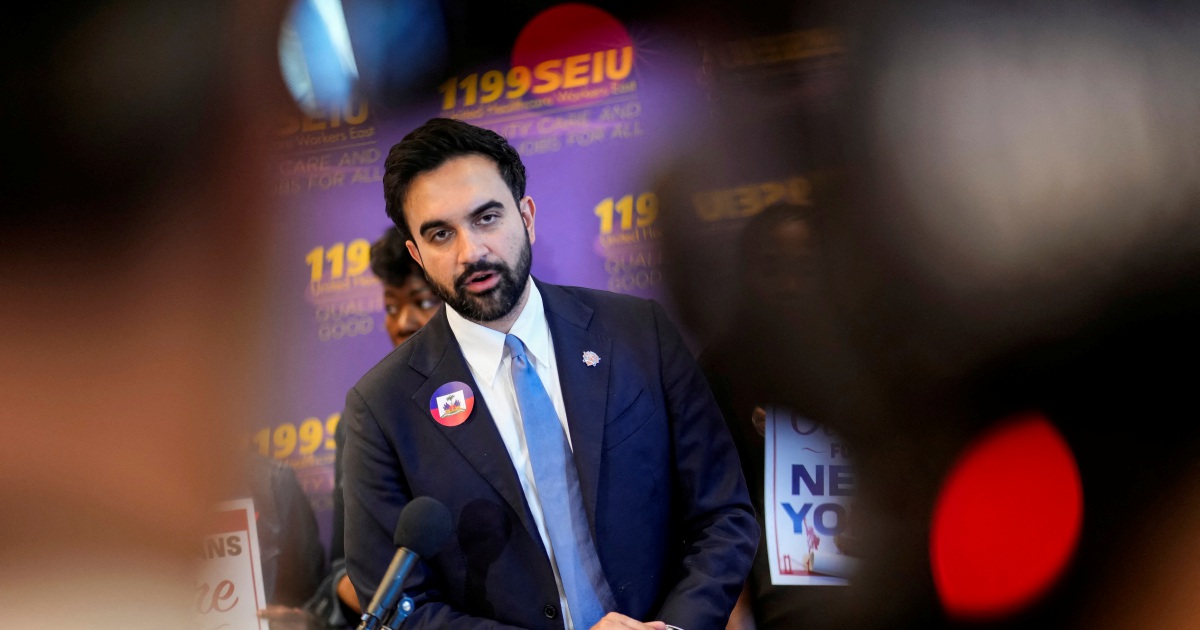
New York Mayor Zohran Mamdani has signalled that city officials remain engaged in discussions about the possibility of arresting Israeli Prime Minister Benjamin Netanyahu when he arrives for the UN General Assembly meeting in the coming weeks. In comments made during a Saturday interview, the mayor acknowledged that the question of whether to pursue such an action remains under active consideration by relevant authorities. The statement has ignited a fierce diplomatic controversy, with Netanyahu's office launching a swift and forceful response to the suggestion.
The prospect of arresting a sitting foreign leader on US soil during a major international diplomatic gathering raises profound questions about protocol, diplomatic immunity, and the boundaries of municipal authority. Under established international law and longstanding diplomatic conventions, leaders of UN member states enjoy certain protections when visiting the organization's headquarters in New York. However, the legal landscape has become increasingly complicated in recent years as various jurisdictions have grappled with competing obligations to international justice mechanisms and to their own domestic legal frameworks.
Mamdani's comments reflect broader tensions surrounding Netanyahu's expected appearance at the General Assembly. The Israeli Prime Minister has been a polarising figure globally, particularly following military operations in Gaza that have drawn intense scrutiny from human rights organizations and critics across the Middle East and internationally. The prospect of his arrest would represent an extraordinary escalation in the political dimensions of the conflict, transforming what should be a routine diplomatic appearance into a potential flashpoint for international tensions.
The timing of such a consideration is notable given the current geopolitical environment. Regional instability continues to shape international relations, and any precipitous action by a major US city could have ramifications far beyond Manhattan. For nations throughout Asia and the Pacific region, including Malaysia, such developments underscore how Middle Eastern conflicts increasingly intersect with global diplomacy and the functioning of international institutions. Malaysia, as an active UN participant and a nation with significant Muslim populations, has long maintained positions critical of Israeli policies, making such developments relevant to its diplomatic stance.
From a legal standpoint, Mamdani's deliberations likely involve consultations with city attorneys and state prosecutors regarding what charges, if any, might theoretically be brought against Netanyahu. Various international courts and activists have called for investigations into allegations related to military conduct in Gaza. However, converting such allegations into actionable charges under US jurisdiction presents considerable obstacles, including questions about applicable law and the threshold of evidence required for prosecution.
The response from Netanyahu's office has been unequivocal in its opposition to any such attempt. Spokespeople for the Prime Minister have characterised the suggestion as both legally baseless and diplomatically inappropriate. They have emphasised Netanyahu's status as the elected leader of a sovereign UN member state and the established protocols that govern such visits. The confrontational rhetoric emerging from both sides suggests this dispute will intensify as the General Assembly session approaches.
For countries in Southeast Asia watching from the sidelines, the situation illustrates ongoing tensions between national judicial systems, international law, and diplomatic practice. Malaysia and its neighbouring nations have occasionally confronted similar dilemmas when hosting visiting officials, balancing the need to respect international legal obligations against diplomatic relations and security considerations. The New York situation therefore holds instructive precedent value for how municipal and national governments navigate these competing pressures.
The broader context involves ongoing scrutiny of Israeli government actions by various human rights bodies and civil society organisations globally. Over recent years, multiple organisations have documented allegations that warrant investigation under international humanitarian law frameworks. However, the pathway from investigation to prosecution at a municipal level in the United States remains unclear and potentially fraught with legal challenges. Any attempt to arrest Netanyahu would almost certainly face immediate legal challenges and could be dismissed on jurisdictional or procedural grounds.
Diplomatic channels are likely already engaged to manage this situation quietly behind the scenes. The US State Department, the UN, and various allied governments have strong interests in ensuring that the General Assembly session proceeds without major disruptions. Past instances of diplomatic disputes at the UN have shown that quiet negotiations often occur to resolve potential flashpoints before they become public embarrassments. The involvement of Mayor Mamdani in such high-stakes diplomacy, rather than state or federal authorities, adds an unusual dimension to the proceedings.
The larger implications concern the role of cities in international relations and whether municipal officials should be positioned to make decisions affecting foreign policy. Traditionally, foreign policy has been the preserve of national governments, with state and local authorities expected to defer to established diplomatic protocols. If cities begin asserting independent authority over visiting foreign leaders, this could create unprecedented complications for the international system and the functioning of the UN itself.
For Malaysian observers, this situation underscores the persistent volatility surrounding Middle Eastern politics within international forums. It also demonstrates how controversies can rapidly escalate from quiet legal considerations into public diplomatic incidents. As Malaysia continues to navigate its own foreign policy priorities, including its advocacy for Palestinian issues, the New York situation serves as a reminder of the complexity of translating political positions into legal action within international settings governed by longstanding conventions and protocols.
The coming weeks will be crucial in determining whether discussions in New York remain theoretical or translate into concrete action. The convergence of municipal authority, international law, diplomatic immunity, and the specific allegations against Netanyahu creates a scenario without clear historical precedent. How this situation unfolds will have implications extending well beyond the General Assembly and will likely influence how similar dilemmas are handled at international forums elsewhere.

