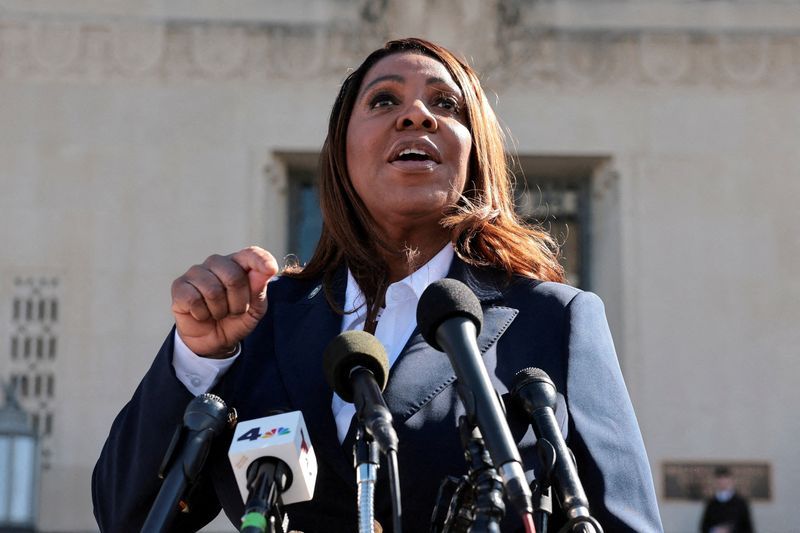
A New York judge has dealt a significant setback to Zelle, the electronic payment platform owned by seven major American banks, by rejecting its attempt to have a high-profile fraud lawsuit dismissed. Justice Phaedra Perry-Bond of Manhattan's state court ruled on Tuesday that the case brought by New York Attorney General Letitia James contains sufficient allegations to move forward, rejecting Zelle's argument that the claims lack legal merit.
The lawsuit centres on claims that Zelle prioritised speed to market and user convenience over implementing crucial fraud-prevention measures, despite warnings from its own banking partners. Justice Perry-Bond's decision found that James had adequately demonstrated that Zelle's parent company, Early Warning Services, consciously chose accessibility and market dominance at the expense of protecting consumers. The seven banks that own Early Warning Services—Bank of America, Capital One, JPMorgan Chase, PNC, Truist, US Bank and Wells Fargo—now face potential liability for the platform's alleged security failures.
At the heart of the dispute lies a fundamental question about corporate responsibility in the digital payments space. James alleges that fraudsters exploited Zelle's inadequate security features to steal more than $1 billion from users. The court determined that the attorney general's allegations that Zelle continued collecting fees from fraudulent transactions raised troubling questions about whether the company implicitly or explicitly condoned fraudulent activity.
Zelle, which launched in 2017, operates in a crowded market alongside established competitors like PayPal's Venmo and Block's Cash App. Despite its backing by some of America's largest financial institutions, the platform has faced mounting scrutiny over its vulnerability to various fraud schemes. According to James's complaint, common scams included criminal actors hacking into user accounts to make unauthorised transfers, deceiving consumers into sending money for non-existent goods and services, and impersonating legitimate financial institutions and government agencies.
The marketing claims that now form part of the lawsuit's foundation are particularly significant. Zelle's advertising promised consumers "peace of mind" and emphasised that the platform was "backed by the banks, so you know it's secure." James argued these representations were misleading given the platform's known vulnerability to fraud and the company's reluctance to implement recommended safety features. The court found these marketing claims sufficiently questionable to warrant judicial examination rather than dismissal.
Zelle's parent company strongly contests the allegations, with spokesperson Eric Blankenbaker asserting that fraud reports have "always been exceptionally low." The company characterises the lawsuit as politically motivated and claims that courts across the country have previously rejected similar allegations as without merit. However, the Manhattan court's decision suggests that the specific factual circumstances and legal arguments presented by New York's attorney general warrant full consideration through the litigation process.
A critical timeline element in this dispute involves the company's response to regulatory pressure. James has pointed out that Zelle did not adopt what she characterises as "basic" safeguards until 2023, despite having proposed these very measures four years earlier. This pattern of delayed implementation despite internal awareness of security gaps significantly strengthens the attorney general's narrative that the company deliberately postponed safety improvements to maintain rapid growth and user adoption rates.
The regulatory landscape surrounding Zelle took an unexpected turn earlier this year when the U.S. Consumer Financial Protection Bureau, which had launched a similar investigation, dropped its case in March 2025. That agency substantially curtailed its enforcement activities following the commencement of President Donald Trump's second term in office. This decision effectively removed a parallel federal challenge to the platform's practices, making the New York state lawsuit a primary mechanism for judicial scrutiny of Zelle's conduct.
For Malaysian and Southeast Asian observers, this case carries implications beyond the American financial landscape. Digital payment platforms operating across the region—many of which have expanded rapidly in pursuit of market share—should note the legal precedent emerging from this litigation. Regulators and courts are increasingly willing to examine whether platforms have deliberately delayed safety implementations to avoid friction with users or to accelerate growth. The ruling also demonstrates that corporate backing from established financial institutions may not shield payment platforms from accountability for inadequate fraud prevention measures.
The pathway forward remains uncertain, but Perry-Bond's decision means the case will proceed to discovery and potentially trial, exposing internal Zelle communications and decision-making processes to judicial and public scrutiny. The banks involved in Early Warning Services now face the prospect of detailed examination of why they permitted their payment platform subsidiary to operate for years with acknowledged security vulnerabilities. This case may ultimately reshape how financial institutions approach the trade-off between innovation speed and consumer protection in the digital payments sector.
Industry observers are watching closely to determine whether state attorneys general will pursue similar actions against other payment platforms, particularly those with comparable business models and growth trajectories. The precedent that adequate fraud prevention measures cannot be indefinitely deferred in pursuit of market dominance could influence how fintech companies and traditional financial institutions structure their risk management and consumer protection strategies going forward.

