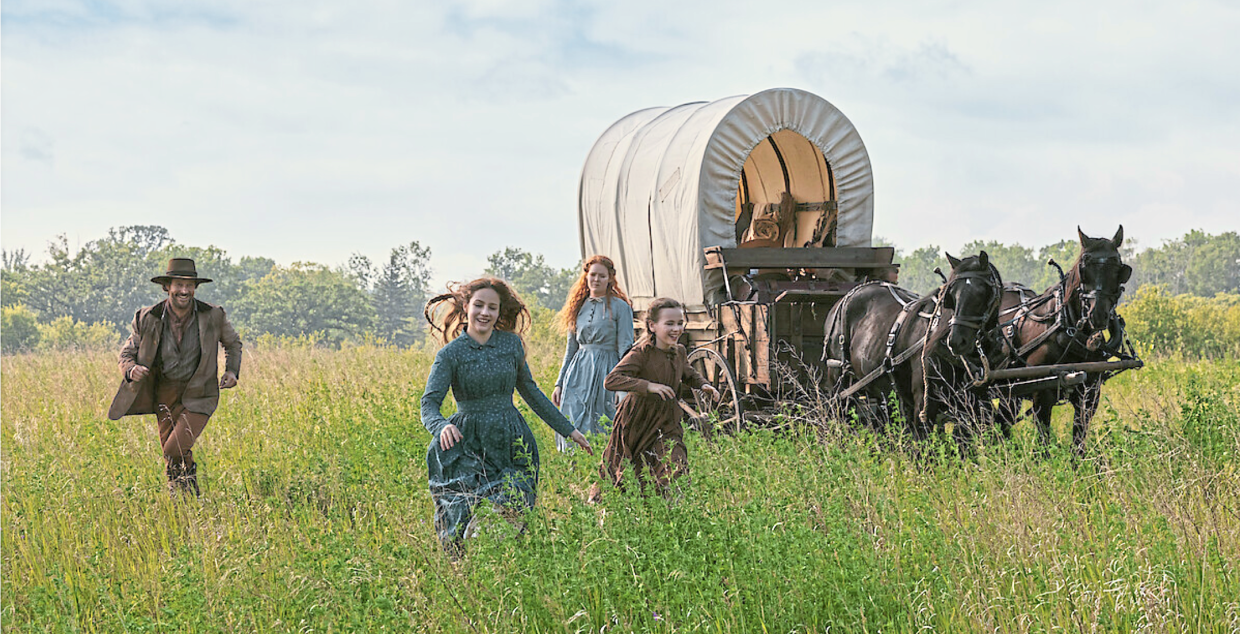
Netflix is bringing Laura Ingalls Wilder's enduring 1935 novel back to audiences through a new adaptation arriving in 2026, enlisting Australian actor Luke Bracey to anchor the ensemble cast as Charles Ingalls, the patriarch of the pioneering family. The decision to revive this material reflects the storytelling property's remarkable staying power across generations, tapping into narratives about family resilience and frontier perseverance that continue resonating with contemporary viewers despite the passage of more than a century since the book's original publication.
Bracey's casting represents a significant creative choice for the project, positioning an international actor in the central paternal role that has defined audience connections to the Ingalls household across multiple adaptations. During production discussions, Bracey articulated his perspective on why this family narrative has maintained cultural relevance across such an extended period, attributing their universal appeal to the authentic portrayal of domestic bonds tested by frontier hardships. The actor characterizes the story's longevity not as coincidental but as a deliberate reflection of how audiences across different eras find themselves invested in narratives centring emotional authenticity and familial commitment despite external adversity.
The supporting cast features a multi-generational ensemble that rounds out the household dynamics at the centre of the narrative. Alice Halsey takes on the role of Laura Ingalls, the character whose perspective drove Wilder's original autobiographical fiction. Crosby Fitzgerald portrays Caroline Ingalls, the mother figure navigating the complexities of frontier domesticity, while Skywalker Hughes assumes the character of Mary, Laura's elder sister whose experiences and constraints offer alternative viewpoints within the family structure.
What distinguishes this Netflix interpretation from previous screen iterations involves its willingness to engage directly with historical complexities often backgrounded in earlier versions. The adaptation explicitly incorporates settler-colonial dynamics and Indigenous narratives alongside the Ingalls family's own struggles, creating space for more nuanced examinations of 19th-century American expansion and its human consequences. This approach represents a shift in how classic literature is being adapted for contemporary audiences, particularly in contexts where historical reckoning has become central to cultural conversations about legacy media.
The 1970s NBC series that ran from its debut through 1983 established a template for television adaptations of Wilder's work that dominated popular memory for decades. That earlier incarnation reached substantial audiences and created lasting cultural imprints, against which any new version must inevitably be measured. Netflix's decision to develop this material indicates confidence that fresh interpretative approaches can coexist alongside previous adaptations without cannibalizing their historical significance or audience appreciation.
Halsey's reflections on her character's constraints illuminate how the narrative functions as a lens through which contemporary performers can examine historical gender restrictions. She articulated how girls in the period faced systematically limited educational and professional opportunities compared to their male counterparts, a reality that shaped every aspect of Laura's existence despite her eventual prominence as a writer. Halsey's observation that she could not have pursued her contemporary career path had she been born into Laura's circumstances underscores how the adaptation can function as historical commentary, using the family's story to illuminate how dramatically social structures have shifted across generations.
The creative leadership guiding this project centres on Rebecca Sonnenshine, who serves as both creator and showrunner. Her involvement suggests a deliberate vision for how the material will be reshaped for contemporary audiences, moving beyond straightforward period recreation toward something that engages actively with the historical moment and its implications for understanding settlement, displacement, and family survival in the American West.
Remarkably, Netflix has already granted the series a second season renewal before the premiere of its first season episodes, a decision indicating significant confidence in both the creative direction and anticipated audience reception. This accelerated renewal schedule has become increasingly common in the streaming era, reflecting how networks use early season performance metrics and internal data analysis to make continuation decisions well before traditional broadcast cycles would permit. For the cast and crew, such early renewal announcements provide both financial security and narrative flexibility, allowing deeper long-term planning for character arcs and thematic development across multiple seasons.
Hughes' commentary on the production experience emphasizes the collaborative energy surrounding the project, suggesting that the cast and crew developed meaningful creative relationships during principal photography. Her statement about creating memories during the previous production cycle and anticipating continued work indicates genuine investment in the material and mutual appreciation among ensemble members—a foundation that often translates into more cohesive on-screen performances and ensemble dynamics.
For Malaysian and Southeast Asian audiences, this adaptation arrives in a context where period dramas continue gaining viewership across the region, particularly when they engage with questions about family, cultural continuity, and social change. The explicit incorporation of Indigenous narratives and settler-colonial examination reflects global trends in how historical storytelling now incorporates previously marginalized perspectives, offering viewers opportunities to engage with complex historical legacies. The series positions itself not merely as entertainment nostalgia but as an invitation to reconsider how pioneering narratives have traditionally been told and what alternative viewpoints might illuminate about that historical moment.
The project ultimately represents a significant investment in adapting classic literature for contemporary streaming audiences, betting that Wilder's fundamental family dynamics retain emotional resonance when filtered through modern sensibilities and historical awareness. Whether this gambit succeeds will depend substantially on how effectively the production balances fidelity to source material with willingness to engage critical perspectives on the historical era the story inhabits.

