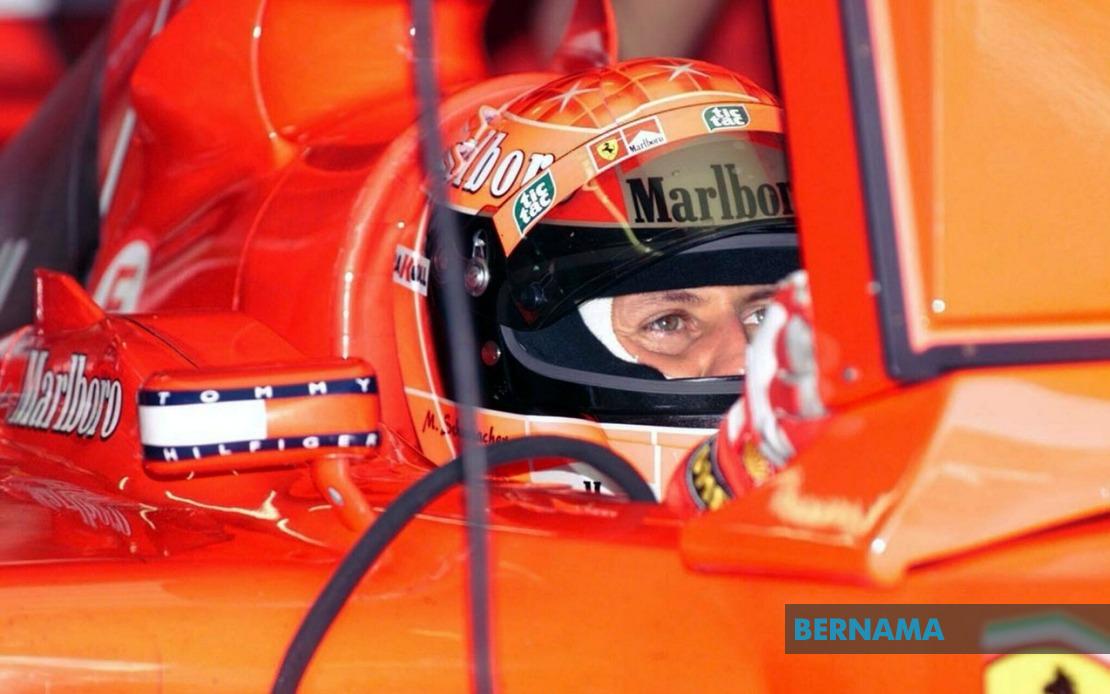
Netflix has confirmed the October 2 release of a documentary chronicling Michael Schumacher's transformative 1994 Formula One season, the year the German driver claimed the first of his record-equalling seven world titles at just 25 years old. The streaming platform's film has been developed collaboratively with Schumacher's wife Corinna, providing intimate access to one of motorsport's most pivotal and controversial campaigns.
That championship season remains etched in sporting memory as a convergence of extraordinary achievement, sporting scandal, and human tragedy. Schumacher's Benetton team faced persistent allegations of technical illegality throughout the year, with detractors claiming the vehicle breached regulations and questioning the legitimacy of the title chase. Simultaneously, the 1994 campaign was overshadowed by the deaths of Roland Ratzenberger and the legendary Ayrton Senna, whose fatal accident during the San Marino Grand Prix sent shockwaves through the motorsport world and beyond.
The documentary deliberately positions Schumacher's ascent within this complex backdrop, tracing his emergence from relative obscurity to world champion status. The narrative arc encompasses not merely his racing prowess but the broader cultural phenomenon that accompanied his success, particularly the explosive popularity he triggered in his native Germany. This "Schumi-mania" represented a watershed moment for Formula One's audience development in a major European market, transforming the sport's commercial and social landscape.
A distinguished array of figures from that era contribute their recollections to the film. Corinna Schumacher offers her intimate perspective as both spouse and witness to the season's unfolding drama. Flavio Briatore, the Benetton team principal who orchestrated Schumacher's rise, provides managerial insight into the championship challenge. Bernie Ecclestone, the commercial architect who shaped modern Formula One, contextualises the season within the sport's evolution. David Coulthard, himself a driver navigating that perilous campaign, offers a peer's viewpoint, while Willi Weber, Schumacher's former manager, supplies crucial personal and professional context.
The 1994 Adelaide finale remains the season's defining moment, a collision-marred climax where Schumacher edged Briton Damon Hill by a solitary point in circumstances that ignited bitter debate about competitive ethics and sporting justice. That controversial conclusion crystallised divisions within the paddock and among enthusiasts, cementing the season's place in motorsport historiography as a watershed between eras.
Schumacher's latter life adds poignant dimensions to any retrospective on his career. The now 57-year-old suffered catastrophic head injuries during a skiing accident in 2013, an incident that dramatically altered his life trajectory and severed his public visibility. Since that calamity, he has maintained strict privacy, with rare glimpses into his condition filtering through official family communications. This context inevitably deepens the documentary's examination of his career pinnacle, as viewers contemplate the contrast between the ascendant champion of 1994 and the circumstances that have defined his existence since.
For Malaysian and Southeast Asian audiences, this documentary resonates beyond mere motorsport nostalgia. Formula One's commercial expansion into Asian markets has accelerated dramatically since Schumacher's competitive retirement, with races now regularly scheduled across the region. Understanding Schumacher's foundational impact on the sport's global reach and commercial structure illuminates how contemporary F1 audiences in Malaysia and throughout Southeast Asia came to embrace the championship. Schumacher's pioneering role in demonstrating motor racing's mass-market potential shaped the competitive and promotional frameworks that subsequently attracted regional investment and audience engagement.
The Netflix project arrives during a period of renewed biographical interest in Formula One's legendary competitors. Recent years have witnessed intensified documentary and dramatised production focused on the sport's history, reflecting both streaming platforms' appetite for sports content and broader cultural curiosity about motorsport's golden ages. Schumacher's career, spanning his earliest struggles through his unprecedented success and extending to his latter-day privacy, encapsulates narrative elements—adversity, triumph, controversy, and tragedy—that resonate across contemporary documentary audiences.
The 1994 season's technological and competitive landscape differed fundamentally from contemporary Formula One, yet fundamental questions about sporting integrity, risk tolerance, and the human cost of elite competition persist unchanged. This documentary's examination of those themes through a specific historical lens invites contemporary viewers to reflect on persistent tensions within professional motorsport, making the historical material substantively relevant to current sporting discourse.
The involvement of Corinna Schumacher as a collaborative partner suggests the family's intention to shape the narrative surrounding Michael's career legacy during a period when public information about his condition remains tightly controlled. This documentary may represent the most substantial public engagement from the Schumacher family in recent memory, potentially offering audiences previously unavailable perspectives on that transformative 1994 championship that altered motorsport's trajectory and cemented Schumacher's place among sport's greatest competitors.

