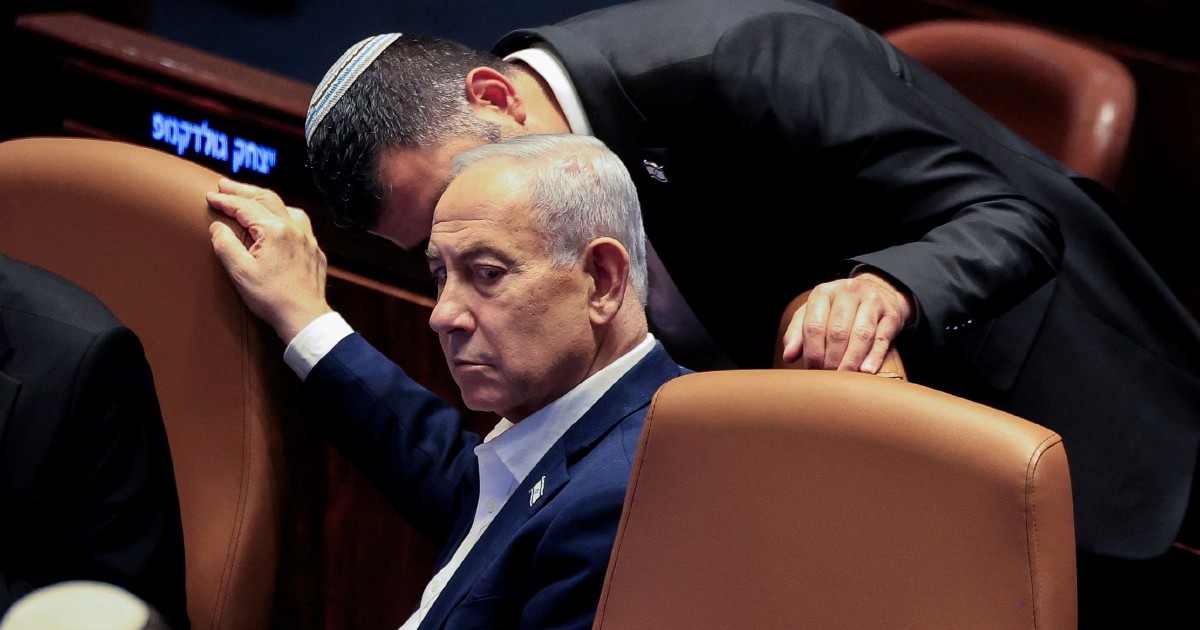
Tel Aviv expressed outrage on Sunday when the office of Israeli Prime Minister Benjamin Netanyahu issued a sharp rebuke directed at New York Mayor Zohran Mamdani, who had raised the possibility of arresting the Israeli leader during preparations for an international conference at the United Nations headquarters.
The diplomatic friction emerged from remarks the New York mayor made regarding potential legal action against Netanyahu, whose attendance at the UN General Assembly has become increasingly contentious given Israel's military operations in Gaza and the ongoing regional tensions. The prime minister's office characterised Mamdani's comments as inappropriate and concerning, viewing them as an encroachment on diplomatic protocol and immunity standards that typically govern international summits.
This exchange highlights the broader geopolitical fault lines that have intensified following Israel's sustained military campaign in Gaza. Netanyahu's international standing has deteriorated among progressive circles in Western democracies, with critics pointing to mounting civilian casualties and humanitarian concerns. New York, as home to the UN headquarters and a city with a substantial Palestinian-American and Arab-American population, has emerged as a flashpoint for these tensions.
The International Court of Justice issued an arrest warrant for Netanyahu in November 2024, citing allegations of war crimes and crimes against humanity—accusations the Israeli government categorically rejects. This legal development has created ambiguity for host nations regarding their obligations when Netanyahu travels internationally, though the United States as the UN's host nation traditionally provides immunity for diplomats and heads of state attending General Assembly sessions.
Mamdani's comments, whether serious or rhetorical, underscore how polarised American political discourse has become over the Israeli-Palestinian conflict. The New York mayor, who represents one of America's most diverse and politically progressive cities, appeared to be responding to constituent pressure from communities deeply affected by the humanitarian situation in Gaza. His remarks, however, transgressed the delicate balance that typically characterises official relations between US officials and Israeli leadership.
The Netanyahu government's sharp response signals Israel's heightened sensitivity to any perceived threat of arrest or international legal accountability. Israeli officials have consistently dismissed the ICC warrant as politically motivated and lacking legitimacy, viewing it as an attempt to delegitimise Israel on the world stage. The prime minister has indicated he will not recognise the court's authority in this matter.
For Malaysia and the broader Southeast Asian region, this diplomatic incident carries relevance beyond Israeli-American relations. Many Southeast Asian nations maintain delicate balancing acts regarding Israel and Palestinian causes, with significant Muslim populations maintaining sympathies toward Palestine while governments pursue pragmatic diplomatic and trade relationships across diverse partners. The incident demonstrates how internal divisions within Western democracies increasingly complicate the management of Middle Eastern conflicts and international law.
The controversy also raises questions about the future of the UN summit season, particularly regarding which world leaders may face legal complications when travelling to the United States. As more nations recognise the ICC's jurisdiction and as international law continues evolving, host countries may face unprecedented pressure to choose between diplomatic tradition and legal obligations, creating potential precedents that could affect other controversial leaders globally.
From an international law perspective, the exchange between Netanyahu's office and New York's mayor exposes the tension between universal jurisdiction and diplomatic immunity. While the ICC has indicated Netanyahu's status does not exempt him from accountability, the customary practice of granting immunity to sitting heads of state during official UN attendance remains largely intact, though increasingly contested.
The incident also reflects broader political dynamics within the United States, where the Israeli-Palestinian conflict has become a significant domestic issue particularly for younger voters and progressive Democrats. New York City's diverse demographics and progressive politics have made it a bellwether for changing American attitudes toward Israel and Palestine, with municipal leaders increasingly feeling pressure to reflect constituent concerns about civilian casualties and humanitarian access.
For Malaysia's foreign policy community, this development underscores how international institutions and norms are being tested and potentially restructured by geopolitical realities. The question of how host nations balance legal obligations, diplomatic tradition, and domestic political pressure will likely influence how Malaysia and other Southeast Asian countries position themselves on similar issues in coming years, particularly as international law mechanisms become more assertive in holding leaders accountable.

