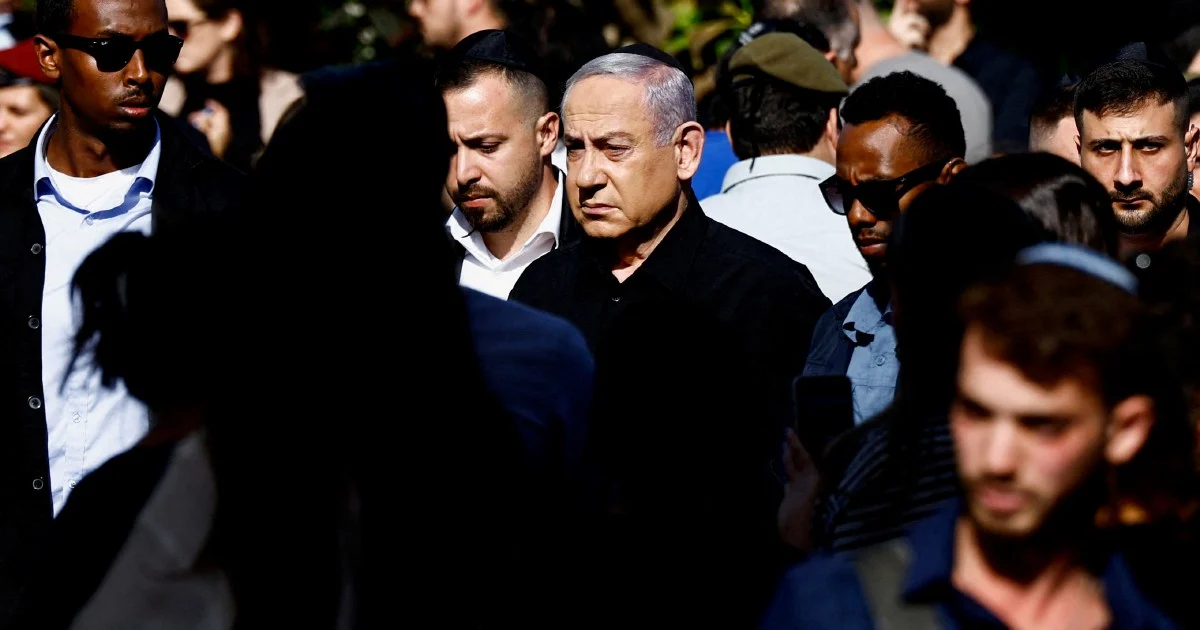
Israeli Prime Minister Benjamin Netanyahu has concluded his testimony in his corruption trials, according to a statement from the justice ministry spokeswoman on Wednesday. The conclusion of his court appearances marks a significant moment in proceedings that have continued throughout his tenure as the country's leader, reflecting an unprecedented situation in which a sitting prime minister has faced graft allegations.
The testimony's completion occurs amid Netanyahu's simultaneous navigation of substantial foreign policy challenges, particularly regarding developments in US-Iran relations that have prompted significant concern in Israeli security circles. The government's assessment of these diplomatic movements has shaped much of the administration's strategic priorities in recent months, with officials viewing the direction of negotiations as potentially compromising Israeli interests in the region.
Netanyahu's legal predicament has been a defining feature of Israeli politics for several years. The corruption cases involve allegations spanning bribery, fraud, and breach of trust across multiple distinct instances. These charges have generated intense domestic debate about judicial independence, executive accountability, and the proper relationship between criminal prosecution and political office in a functioning democracy. The trials themselves have attracted significant international attention as a test case for how a developed democracy handles allegations against its highest office holders.
The timing of the testimony completion is noteworthy given Israel's complex security environment. The country continues to manage multiple regional challenges simultaneously—from Palestinian developments to broader Middle Eastern power dynamics. The attention required by legal proceedings has necessarily competed with the demands of executive governance, creating an unusual institutional situation where the prime minister must divide focus between courtroom appearances and national security decisions.
Israeli courts have maintained their proceedings despite political pressure and public controversy. The justice system's insistence on seeing the cases through reflects broader commitments to rule of law that Israeli judicial institutions have sought to uphold. Netanyahu's legal team has presented various defences throughout the process, while prosecutors have marshalled evidence they believe substantiates the charges. The testimonial phase now concluded represented the final opportunity for the prime minister to address the court directly regarding the allegations against him.
The regional context amplifies the significance of these trials for Israeli governance. As the country faces evolving threats and opportunities in the Middle East, the political energy devoted to legal proceedings represents a genuine cost to national management. Other senior officials have necessarily assumed expanded roles during Netanyahu's courtroom absences, though ultimate decision-making authority has remained concentrated in the prime minister's office. This structural reality raises questions about governance capacity during extended legal proceedings involving sitting executives.
International observers have monitored these trials with particular interest given Israel's status as a major regional actor and democracy. The proceedings reflect how modern democracies grapple with high-profile criminal allegations against elected leaders—whether courts can function independently, whether politics influences judicial decisions, and whether public institutions maintain legitimacy during such contested processes. Israel's case offers lessons relevant to democratic governance globally as various countries face comparable challenges.
The conclusion of Netanyahu's testimony does not necessarily signal an imminent verdict. Israeli legal proceedings involving complex fraud allegations typically require substantial time for judicial deliberation, final arguments from both prosecution and defence, and careful weighing of evidence. The court must now review all testimonial evidence presented throughout the proceedings before reaching determinations on the multiple charges across the distinct cases. Legal analysts have suggested verdicts remain months away at minimum.
Domestically, these trials have intensified Israeli political divisions. Netanyahu's supporters contend that the proceedings represent politically motivated prosecution intended to remove him from office through judicial means rather than democratic processes. Critics counter that no public figure should stand above law and that courts must investigate credible allegations regardless of the defendant's position. This fundamental disagreement about the trials' legitimacy has coloured public debate and influenced coalition politics within the Israeli government.
The geopolitical moment demands Netanyahu's sustained attention to national security decisions even as legal proceedings continue. Regional developments involving Iran, Syria, and other actors require consistent high-level governmental response. Israel's relationships with international partners, particularly the United States, depend partly on direct leadership engagement. The prime minister's ability to manage these responsibilities simultaneously with legal proceedings represents an ongoing challenge to Israeli institutional functioning that extends beyond this week's testimony conclusion.
Netanyahu's political future depends partly on trial outcomes but also on electoral prospects and coalition maintenance within the Knesset. Should verdicts result in conviction on significant charges, substantial constitutional questions would arise about a convicted prime minister's ability to continue serving. Conversely, acquittal would provide substantial political vindication. The trials therefore represent more than individual accountability mechanisms; they will meaningfully shape Israel's political trajectory for years to come, potentially affecting government stability and future electoral competition.