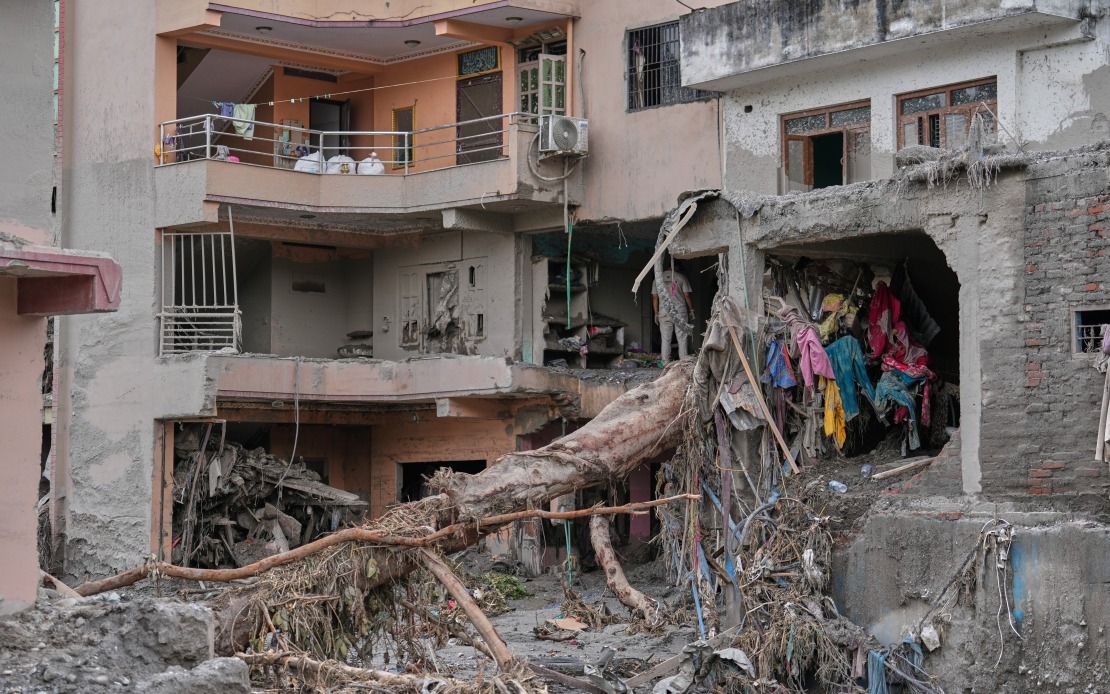
Nepal is implementing a systematic approach to managing unidentified remains from the catastrophic flooding that devastated the country on August 26, committing to preserve genetic evidence that could eventually reunite bodies with families. Prime Minister Balendra Shah announced the government's protocol on social media Saturday evening, establishing procedures that prioritize forensic preservation even as authorities proceed with dignified management of the deceased. This approach reflects the scale and complexity of the disaster, which has claimed hundreds of lives and destroyed critical infrastructure across a vast geographic area.
The disaster struck when the Bhotekoshi River overflowed its banks, triggering widespread destruction that extended well beyond the initial flood zone. The affected corridor encompasses multiple districts—Rasuwa, Nuwakot, and Dhading bore the immediate brunt of the catastrophe, but the impact rippled across to Chitwan, Tanahun, Gorkha, Nawalparasi East, and Nawalparasi West. Five days after the initial disaster, authorities had recovered 675 bodies from various locations across this extensive area, a figure that underscores both the tragedy's magnitude and the ongoing search and recovery operations in difficult terrain.
The decision to preserve DNA samples represents a significant commitment to forensic identification that will extend well beyond the immediate crisis phase. Rather than proceeding directly to burial or cremation, the Nepalese government will maintain biological evidence that could facilitate identification weeks, months, or even years after the disaster. This protocol acknowledges that many families may not be able to identify their missing relatives immediately, and that decomposition and environmental damage have complicated visual identification efforts across the flood-affected regions.
The Bhotekoshi River, which triggered this catastrophe, presents particular challenges for disaster response. Mountainous terrain, destroyed infrastructure, and the river's continued flow have complicated access to affected areas and hindered comprehensive search efforts. The districts of Rasuwa and Nuwakot, which experienced the most intense initial impact, remain difficult to reach even as recovery operations intensify. Authorities must balance the urgent need to retrieve and properly manage deceased individuals with the physical and logistical constraints that mountain flooding presents.
For Malaysian readers and regional observers, this scenario carries particular resonance. Southeast Asia is no stranger to devastating floods—Malaysia itself experiences annual flooding in various states, and the entire region faces increasing climate-related disaster risks. The Nepalese approach to managing unidentified remains offers instructive lessons about preparedness, dignity, and long-term family support. Nepal's commitment to preserving DNA evidence reflects international best practices that have emerged from major disasters, where families require closure that extends far beyond the initial recovery period.
The immediate humanitarian challenge extends beyond identification procedures. Hundreds have perished, with many more missing and presumed dead. The destruction of homes, agricultural land, and infrastructure has displaced communities and threatens economic livelihoods across multiple districts. Authorities must simultaneously manage funeral rites that respect cultural and religious practices while maintaining forensic evidence that serves both current identification efforts and potential future inquiries. This dual obligation places extraordinary pressure on government resources and coordination mechanisms.
Genetic preservation technology has become essential in modern disaster management, yet implementing such protocols in developing countries—especially in mountainous regions where infrastructure is already stressed—demands significant logistical coordination. Nepal's authorities must establish proper cold storage facilities, ensure chain-of-custody protocols for samples, and maintain detailed documentation that will allow future matching with DNA profiles provided by family members. These technical requirements compound the already daunting challenge of managing hundreds of unidentified remains in the immediate aftermath of catastrophe.
The social dimension of this disaster cannot be overstated. Families across Nepal are frantically searching for missing relatives, many of whom may have been caught in the initial surge of water and debris. The uncertainty surrounding missing persons extends psychological trauma far beyond those who witnessed the disaster directly. By preserving identification evidence, the government provides families with continued hope that their loved ones will eventually be identified and properly laid to rest according to cultural practice, rather than relegated to unmarked or mass graves. This commitment acknowledges both the emotional needs of survivors and the dignity owed to the deceased.
Regional implications of this disaster extend beyond Nepal's borders. The Bhotekoshi River systems connect multiple South Asian nations, and transboundary water management becomes critical in preventing and mitigating future flood events. For Malaysia and other Southeast Asian countries, the Nepalese experience underscores the necessity of investing in early warning systems, emergency response infrastructure, and regional cooperation on disaster management. Climate change is intensifying precipitation patterns across Asia, making devastating floods increasingly common rather than exceptional events.
The government's announced protocol also reflects Nepal's commitment to international humanitarian standards. By preserving DNA evidence and other identifying materials, Kathmandu is signalling alignment with practices established by organizations that respond to mass casualty events globally. This approach facilitates potential international assistance in identification efforts, whether through technical expertise or comparative genetic analysis from international humanitarian databases. In an era of increasing disaster frequency, such international coordination mechanisms may prove invaluable.
Looking ahead, the Nepalese government faces a long-term commitment to maintaining these DNA samples and coordinating with families seeking identification. This responsibility will extend well beyond the initial emergency response phase, requiring sustained resources and institutional memory. The success of this effort will be measured not merely in immediate identifications but in how comprehensively the government can eventually reunite remains with families, providing closure that allows mourning and cultural healing to proceed according to community practices. For Nepal and for the broader Asian region facing intensifying climate impacts, this disaster and the government's response offer sobering lessons about preparedness and the human costs of environmental catastrophe.

