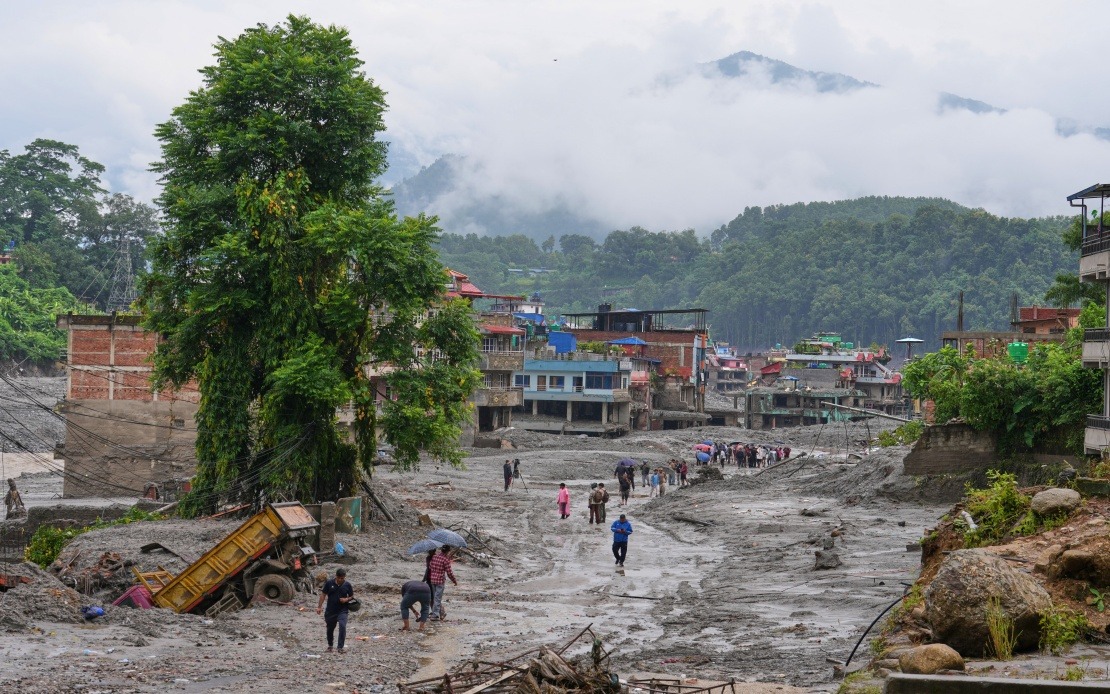
A devastating mudslide disaster in Nepal has claimed 675 lives, with search operations still underway for almost 2,500 missing persons across affected hill districts. The National Disaster Risk Reduction and Management Authority released these figures as of Saturday evening, signalling one of the most serious natural disasters to strike the country in recent times. The scale of the tragedy has prompted authorities and civil society across the nation to mobilise comprehensive relief and recovery efforts.
The geographical concentration of casualties spans three districts in central Nepal — Rasuwa, Nuwakot and Dhading — all prone to landslides during monsoon season. These areas, characterised by steep terrain and heavy rainfall patterns, have experienced catastrophic ground movement that has buried settlements and cut off communications with remote communities. The terrain itself presents formidable obstacles to rescue teams attempting to reach survivors and recover remains, as subsequent landslips continue to threaten search operations.
Tourist arrivals and their safety have emerged as a particular concern in this crisis. Nepal's Department of Tourism reported that 753 visitors had lost contact with the outside world, comprising 589 foreign nationals and 164 domestic tourists. The loss of communication networks and severe weather conditions have hampered efforts to establish the precise status of these individuals, many of whom were likely trekking or undertaking guided tours through the mountainous regions when the disaster struck. This dimension of the catastrophe underscores how natural disasters in Nepal's tourism-dependent economy can have ripple effects across international networks of families and travel companies awaiting news.
The concentration of foreign nationals among the missing reflects Nepal's role as a major destination for international mountaineering and trekking. Himalayan tourism contributes substantially to Nepal's foreign exchange earnings and employment, yet the monsoon season presents inherent risks that authorities and tour operators continually navigate. The disaster has prompted reflection within the tourism industry about preparedness protocols, weather forecasting capabilities, and communication systems that enable rapid contact with hikers and climbers in remote areas during emergencies.
Kathmandu District Administrative Office has issued an urgent appeal for relief supplies, demonstrating how the disaster has triggered coordinated governance responses across administrative levels. The call to associations, institutions, enterprises and individuals signals recognition that Nepal's state infrastructure, though centralised, relies substantially on community participation and private sector involvement to meet emergency humanitarian needs. Such appeals represent established practice in Nepali disaster management, where resource constraints and geographical challenges necessitate broad-based mobilisation.
The magnitude of missing persons — nearly 2,500 — presents profound challenges for families, authorities and international organisations involved in humanitarian coordination. In mountainous terrain where communications infrastructure is fragile and communities geographically dispersed, establishing casualty figures requires extensive detective work involving local officials, community leaders and survivors who can provide information about residents and visitors. The coming days and weeks will likely see significant fluctuations in casualty and missing-person statistics as communication networks are restored and more complete pictures emerge from affected areas.
Nepal's vulnerability to such disasters reflects its geographical position along the Himalayan range and its exposure to intense monsoon rains that destabilise slopes already weakened by deforestation and erosion. Climate variability and changing precipitation patterns have intensified disaster frequency across South Asia in recent decades. For Malaysia and other Southeast Asian nations, Nepal's experience offers sobering reminders about similar vulnerabilities in mountainous regions, where rapid urbanisation, tourism development and environmental degradation compound risks during extreme weather events.
The regional dimensions of this crisis extend beyond Nepal's borders, as the missing foreign nationals create diplomatic and consular dimensions requiring coordination between Nepal's government and numerous embassies and international agencies. Citizens from multiple countries are potentially affected, requiring communication protocols and resource sharing among governments that may already be stretched by their own domestic priorities. Malaysian authorities with citizens in Nepal would typically engage diplomatic channels to verify the status of their nationals and coordinate repatriation arrangements if necessary.
Longer-term recovery from this mudslide will require not only immediate rescue and medical response but sustained attention to housing reconstruction, livelihood restoration and community resilience building. Nepal's previous major earthquakes and landslides have demonstrated the multi-year nature of recovery processes, particularly in regions where infrastructure was already limited. International humanitarian assistance, development partnerships and Nepal's own budgetary allocations will shape the pace and quality of rebuilding efforts in Rasuwa, Nuwakot and Dhading districts, with implications for regional stability and economic recovery.

