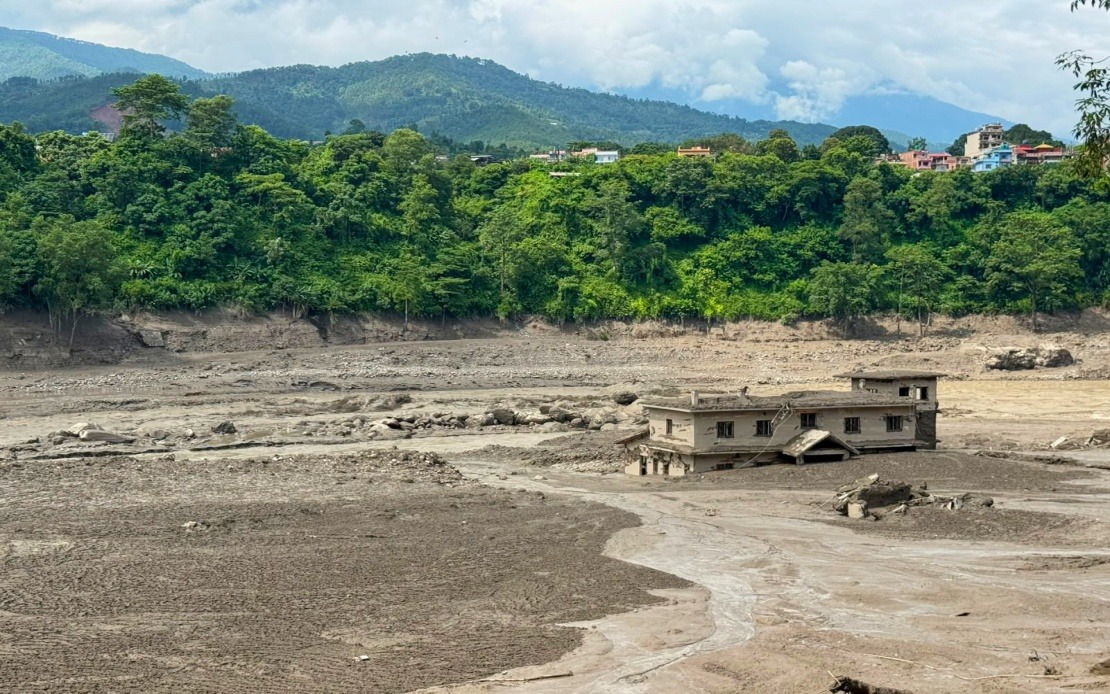
Prime Minister Datuk Seri Anwar Ibrahim has expressed profound concern over the catastrophic flash floods that devastated Rasuwa district in Nepal, revealing that 54 Malaysian nationals have yet to be reached or accounted for. The government's immediate response signals the severity of the humanitarian crisis unfolding in the Nepal-Tibet border region, where the disaster has created significant communication and logistical challenges for search and rescue operations.
The Malaysian Embassy in Kathmandu has assumed a central coordination role, establishing direct liaison channels with Nepalese authorities to facilitate the search and recovery efforts. Recognising the complexity of the situation and the isolation of the affected area, Malaysia has expanded its diplomatic response by deploying additional personnel from the Malaysian High Commission in Dhaka, Bangladesh, to strengthen ground-level coordination and information gathering. This inter-embassy approach reflects the gravity with which the government is treating the missing nationals situation.
In a Facebook statement, Anwar underscored the government's commitment to prioritising the safety and welfare of affected Malaysians, emphasising that tracking down the uncontactable citizens and obtaining updates on their condition represents an ongoing operational priority. The Prime Minister's public intervention signals political commitment to the rescue mission and seeks to assure Malaysian families that diplomatic machinery is functioning at full capacity to address the crisis.
The flash floods that struck the Rasuwa district on August 26 resulted from a combination of intense rainfall and glacier landslides along the Bhote Koshi River, phenomena not uncommon in the high-altitude Himalayan terrain during monsoon season. However, the scale and sudden onset of this particular disaster created immediate humanitarian challenges. The flooding severed communication networks across the region and rendered the primary road connection to Kathmandu impassable, effectively isolating the affected communities from external assistance and creating an information vacuum regarding the status of those in the disaster zone.
The communication blackout has compounded efforts to account for all affected persons, particularly tourists and trekkers who may have been in the region when the disaster struck. Rasuwa district has become an increasingly popular trekking destination for international visitors, including Malaysians seeking mountaineering experiences and cultural tourism opportunities in the Himalayan region. The isolation of the area means that initial casualty figures and damage assessments remain preliminary, with authorities still gathering comprehensive information about the scale of the disaster.
Malaysia's Foreign Ministry has taken the lead in coordinating information flow and diplomatic responses, working within established bilateral frameworks with Nepal. The ministry's capacity to mobilise embassy staff and cross-border resources demonstrates the infrastructure available for emergency response operations, though the physical remoteness of Rasuwa presents formidable obstacles to rapid rescue and recovery work. Ground conditions, damaged infrastructure, and ongoing security concerns related to potential aftershocks or secondary hazards complicate the operational environment.
The involvement of Bangladesh-based Malaysian diplomatic personnel highlights regional cooperation mechanisms within Southeast Asian foreign service networks. Such arrangements allow Malaysia to rapidly augment its crisis response capacity by drawing on neighbouring posts, a practice that acknowledges both the limitations of single-country diplomatic presence and the benefits of regional coordination during transnational emergencies. This reflects pragmatic diplomacy in a region where multiple countries face similar challenges managing citizens caught in natural disasters across borders.
Anwar's appeal for public prayer and support reflects both the emotional weight of the crisis and the recognition that search and rescue efforts in such terrain require sustained effort and favourable conditions. The Prime Minister's invocation of community solidarity signals that the government views this as a national concern transcending partisan boundaries, a framing common to Malaysian disaster response protocols where citizen welfare supersedes other political considerations.
For Malaysian families with relatives in Nepal, the period of uncertainty remains agonising. The government's transparent communication about the number of uncontactable nationals, rather than projecting false confidence, establishes credibility for official channels while managing expectations regarding timeline and outcomes. However, the practical challenges of locating individuals in a disaster-affected, communications-blackout area mean that confirmation of safety or status may take considerable time.
The Rasuwa floods underscore broader regional vulnerabilities to climate-related disasters and the particular exposure of Southeast Asian nations to Himalayan hazards. Climate change patterns have intensified both rainfall intensity and glacier destabilisation across the Himalayan range, increasing the frequency and severity of such disasters. Malaysian nationals' presence in high-risk trekking and mountaineering zones reflects the region's growing popularity among Southeast Asian adventure tourists, a trend that increases the statistical likelihood of Malaysian casualties in regional natural disasters.
The diplomatic response also reflects Malaysia's broader regional relationships and its commitment to citizen protection as a cornerstone of foreign policy. Nepal, despite geographic distance from Malaysia, has significant Malaysian expatriate communities and educational exchange patterns, creating multiple pathways through which Malaysians may be present in the country at any given time. The government's mobilisation demonstrates that crisis response protocols function regardless of a destination's distance from Malaysia or perceived strategic importance.
As rescue operations continue and communication networks gradually restore across the Rasuwa district, the priority remains locating the 54 uncontactable Malaysians and determining their status. The government's continued coordination with Nepalese authorities and regional diplomatic partners will be crucial in the coming days and weeks. Updates on the recovery effort and confirmed information about affected nationals' status will remain critical for both family members and the broader Malaysian public seeking reassurance about their government's capacity to respond effectively to overseas emergencies.

