Disaster relief operations in Nepal have entered a critical third day following devastating floods that have claimed at least 500 lives, as Malaysia intensifies efforts to establish contact with 57 of its nationals reported missing in the disaster zone. By Friday afternoon, Malaysian authorities had successfully located two citizens, though 55 others remained out of reach as of 2.22 pm, prompting continued verification efforts that the Foreign Ministry acknowledged remain subject to ongoing confirmation from Nepalese counterparts and international agencies.
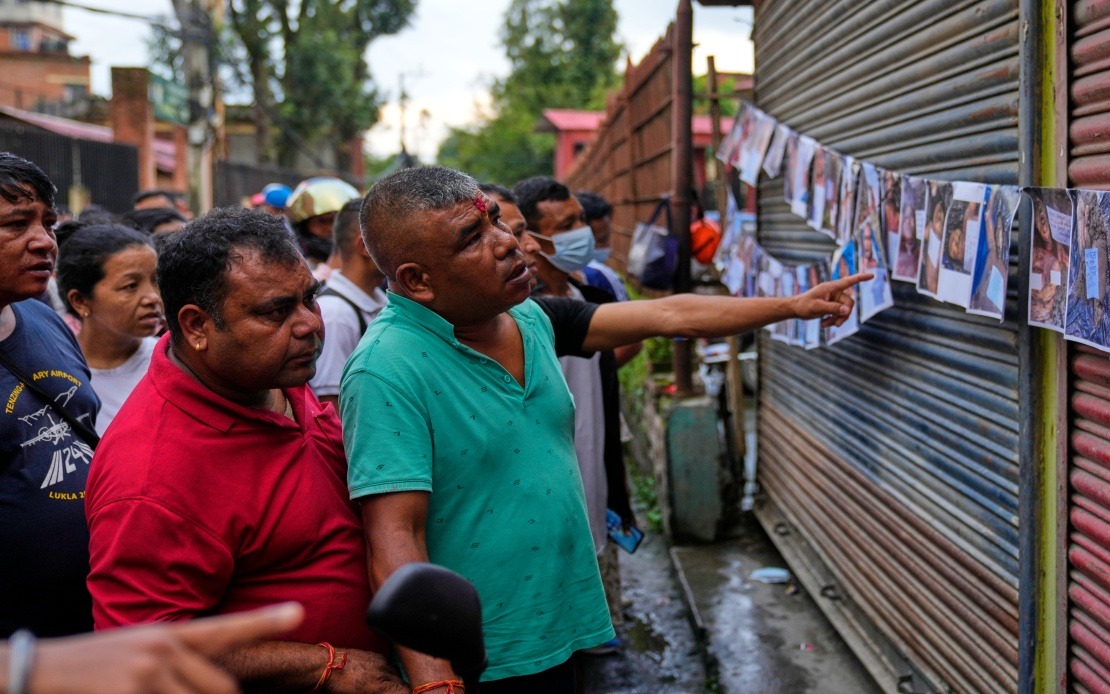
The scale of the unaccounted Malaysians became clearer when Nepal's tourism authorities released an extensive roster of 537 foreign nationals from over 30 countries believed missing in the wake of flooding in Rasuwa district. That official list, published Thursday evening by Nepal's Department of Tourism operating under the Ministry of Culture, Tourism, and Civil Aviation, specifically identified 51 Malaysians among the missing, each entry detailing names, ages, nationalities, and the travel agencies coordinating their expeditions. The documentation represents the most comprehensive accounting yet of foreign visitors caught in the disaster, though verification challenges persist given the scale and remoteness of affected areas.
According to Foreign Ministry Deputy Secretary-General Datuk Syed Mohamad Hasrin Tengku Hussin, the Malaysian figures remain provisional pending verification against information flowing from Nepalese authorities and other relevant organisations. This cautious approach reflects the complex nature of accounting for individuals across multiple jurisdictions during an active disaster response, where preliminary reports often diverge substantially from confirmed data. The uncertainty underscores why Malaysian officials have refrained from finalising casualty figures despite the widespread reporting of casualties elsewhere.
The catastrophe originated Wednesday morning when a Himalayan glacial collapse triggered simultaneous flooding along the Bhote Koshi and Trishuli rivers, unleashing torrential waters through Rasuwa district in Nepal's northern border region. The sudden deluge devastated infrastructure wholesale, destroying roads, bridges, and buildings while carrying away vehicles and structures as it carved downstream, transforming tributaries into raging torrents. Authorities reported that the Bhotekoshi River flooding subsequently merged with the Trishuli River system, compounding destruction across multiple watersheds and rendering some communities entirely isolated from emergency assistance.
In contrast to Malaysia's significant missing contingent, Nepalese rescue authorities reported extracting 121 foreign nationals from the flood-affected territories by Friday, though notably no Malaysians appeared among those successfully recovered so far. This disparity suggests that Malaysian nationals may have concentrated in particular areas difficult to access or that recovery operations have yet to reach certain zones where Malaysians travelled. The uneven distribution of rescue successes highlights why comprehensive SAR coordination remains essential across jurisdictional boundaries.
Malaysia's response has escalated beyond information-gathering into active assistance planning. The National Security Council is maintaining close contact with the Nepalese government to establish what form of aid would prove most beneficial, with Prime Minister Datuk Seri Anwar Ibrahim indicating that support could encompass financial transfers or deployment of the Malaysian Special Search and Rescue Team (SMART). This specialist unit represents one of Southeast Asia's most capable disaster response assets, trained specifically for cross-border rescue operations in mountainous terrain—precisely the conditions confronting operations in Rasuwa.
The recovery challenge extends beyond mere rescue to identification and dignified handling of the deceased. The Kathmandu Post reported that bodies and human remains are being discovered in districts far downstream from the initial flooding zone, as corpses travel kilometres along water courses before being discovered. Authorities throughout the affected region face mounting pressure on morgue facilities, with several locations reportedly experiencing capacity constraints that impede systematic identification and prevent swift family notifications. This logistical bottleneck will likely persist for days or weeks as the full death toll becomes known through methodical accounting rather than initial catastrophic estimates.
For Malaysian citizens and their families, the unfolding situation presents mounting anxiety as the identification process advances incrementally. The Foreign Ministry commitment to continued verification efforts, while administratively sound, provides scant comfort to relatives awaiting confirmation of loved ones' whereabouts. The coordination challenges are substantial: Malaysian nationals were distributed across multiple travel groups, likely scattered across the Rasuwa district and tributaries, complicating concentrated rescue efforts. Some may have been at considerable elevations in trekking areas when flooding occurred, increasing isolation and rescue difficulty.
The Rasuwa flooding illustrates how glacial collapse in the high Himalayas increasingly poses transnational disaster risks. Climate change-driven glacier retreat has elevated the frequency and severity of such events, with Himalayan communities and the foreign tourists transiting these regions facing escalating hazards that traditional forecasting systems inadequately capture. Nepal's tourism industry, heavily dependent on trekking and mountaineering expeditions in precisely these watersheds, confronts a fundamental tension between economic necessity and mounting environmental peril that extends across the entire region.
Malaysia's substantial contingent of missing nationals reflects the country's growing outbound tourism sector and middle-class appetite for adventure travel to Nepal's trekking routes. The disaster underscores how Malaysian travellers, increasingly venturing into remote Asian destinations, face risks that domestic safety protocols cannot fully mitigate. The incident will likely prompt review of travel advisories, insurance requirements, and agency oversight mechanisms governing Nepal-bound expeditions, even as it reinforces broader Southeast Asian awareness that major disasters across the region now directly implicate multiple nations' citizens and necessitate sustained cross-border coordination.

