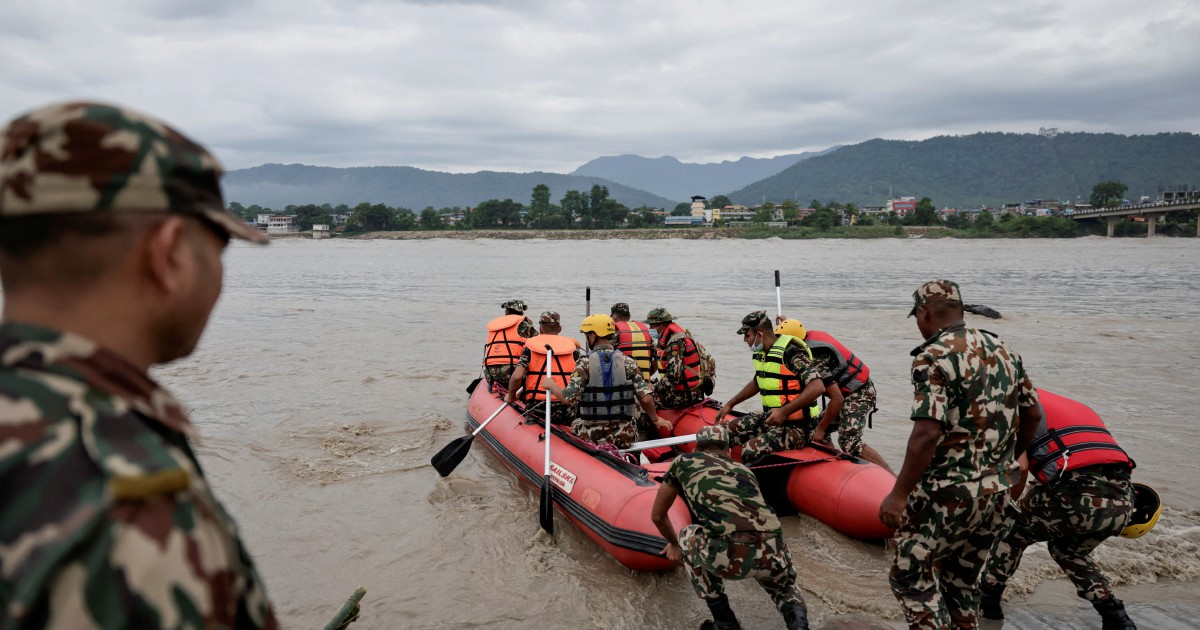
Nepal is grappling with what government officials describe as a catastrophic natural disaster, with devastating floods wreaking widespread destruction across the nation. Prime Minister Balendra Shah characterised the unfolding crisis as both "unimaginable and heartbreaking," underscoring the unprecedented scale of the calamity that has fundamentally disrupted normal life and stretched emergency response capacity to its limits. The sheer magnitude of the disaster has overwhelmed Nepal's administrative and relief apparatus, leaving authorities struggling to piece together a comprehensive picture of the damage and human toll.
The flooding has already claimed hundreds of lives across multiple districts, though exact figures remain fluid as rescue teams continue operations in affected areas. The incomplete accounting reflects the enormous challenges faced by emergency responders working in remote terrain, damaged communication networks, and deteriorating weather conditions that complicate both search and rescue efforts and the delivery of humanitarian assistance. Initial assessments suggest the death toll will likely climb as more remote communities are reached and the full extent of casualties becomes apparent over coming weeks.
Thousands of people remain unaccounted for across affected regions, prompting intensified search and rescue operations. Families desperately seeking information about missing relatives have overwhelmed government hotlines and local administration offices. The uncertainty surrounding the fate of thousands adds an additional layer of trauma to a nation already reeling from the immediate destruction and loss of life. This massive gap in accounting highlights how difficult it remains to establish reliable casualty figures when entire communities have been cut off by floodwaters and landslides.
The floodwaters have destroyed homes, swept away livestock, and damaged critical infrastructure including roads, bridges, and irrigation systems vital to Nepal's agriculture-dependent economy. Hospitals and healthcare facilities in affected areas have been damaged or rendered inaccessible, creating a secondary crisis as injured survivors struggle to receive adequate medical care. Schools and government buildings have sustained severe damage, further hampering coordination of relief efforts in the immediate aftermath.
For Malaysia and other Southeast Asian nations, Nepal's tragedy serves as a sobering reminder of the region's vulnerability to monsoon-related flooding. Nepal's mountainous terrain and geology make it particularly susceptible to flash floods and landslides during heavy rainfall periods. Similar hydrometeorological hazards pose significant risks across Southeast Asia, where many communities in low-lying and coastal areas face comparable threats during monsoon seasons. The disaster underscores the importance of developing resilient infrastructure and comprehensive disaster preparedness protocols.
The Nepalese government has declared a national emergency and mobilised military resources alongside civilian emergency agencies to coordinate response efforts. International assistance has begun flowing in from neighbouring India and other countries, with search and rescue teams, medical personnel, and humanitarian supplies being dispatched to affected regions. However, the mountainous topography and damaged transportation networks have slowed the distribution of aid to the most vulnerable populations.
The disaster has exposed significant gaps in Nepal's disaster management infrastructure and early warning systems. Many affected communities lack adequate flood defences, evacuation routes, and shelter facilities to accommodate displaced persons. Long-term reconstruction efforts will require substantial financial resources, international donor coordination, and careful planning to build back in a manner that reduces future vulnerability. Nepal's already-stretched fiscal position makes this recovery particularly challenging without sustained international support.
The social and economic consequences will extend far beyond the immediate casualty figures. Agricultural production has been severely impacted just as the harvest season approaches, threatening food security for rural populations. The tourism sector, a critical revenue source for Nepal's economy, faces disruption as popular trekking routes and heritage sites suffer damage and accessibility becomes compromised. Displaced persons requiring temporary shelter and livelihood support will place enormous demands on government resources for months or years ahead.
The humanitarian community anticipates this will evolve into a prolonged crisis requiring sustained international engagement. Psychological trauma among survivors, disease outbreaks in crowded displacement camps, and malnutrition among vulnerable groups including children and the elderly represent foreseeable secondary disasters. Coordination between government, international organisations, and non-governmental entities will determine how effectively immediate needs are met and how quickly reconstruction can commence.
Nepal's experience offers relevant lessons for Southeast Asian nations similarly exposed to flood risks. Investments in climate-resilient infrastructure, community-based early warning systems, and disaster preparedness education can significantly reduce casualties when major natural disasters occur. Regional cooperation on monsoon forecasting and cross-border flood management represents an important mechanism for improving collective resilience. The international community's response to Nepal's crisis will partly determine the nation's capacity to implement such protective measures going forward.

