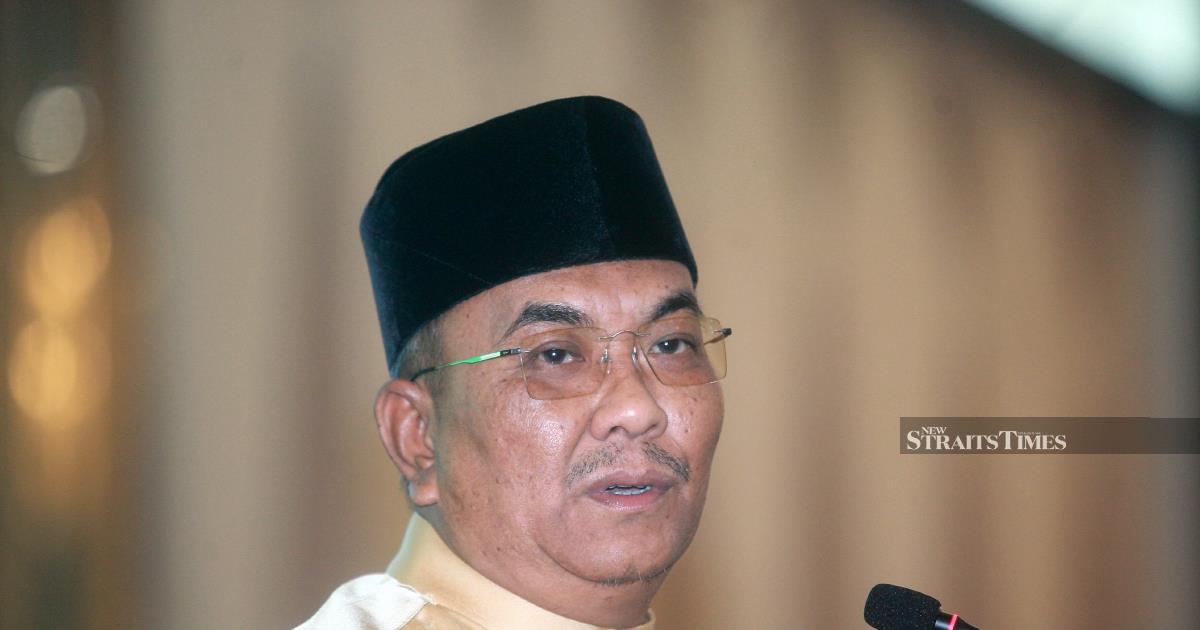
Police authorities in Negri Sembilan have signalled their intention to call in Kedah Menteri Besar Datuk Seri Muhammad Sanusi Md Nor alongside a senior Umno figure from Rembau to address allegations concerning statements made during campaigning for the state election. The announcement, made in Nilai, marks another flashpoint in what has emerged as an increasingly contentious electoral period marked by heightened scrutiny of political speech across the peninsula.
The development reflects the intensifying pressure on campaign conduct during state-level elections in Malaysia, where federal police have demonstrated a readiness to intervene in matters involving potentially problematic political utterances. Such interventions have become more frequent as authorities seek to establish clearer boundaries around permissible campaign speech, though critics argue the enforcement remains inconsistent across political parties and geographical regions.
For Kedah, the involvement of its Menteri Besar in a police matter connected to another state's election underscores how campaign activities increasingly transcend state boundaries. Senior leaders from across the country routinely traverse states to support candidates and bolster party machinery during electoral periods. This cross-state campaigning, while traditional within Malaysia's political culture, has created complications when remarks made outside a leader's home state attract official scrutiny or complaints.
The Rembau Umno leader's concurrent summons suggests police investigators are treating multiple alleged violations as part of a broader pattern or complaint. This approach indicates that rather than isolated incidents, authorities may view these campaign statements as part of a coordinated concern raised by political opponents or civil society groups monitoring the Negri Sembilan contest.
Negri Sembilan elections carry particular weight within Malaysian politics due to the state's position as a traditional stronghold and bellwether for broader political trends. Campaign activity in the state typically attracts national attention, with senior figures from both ruling coalitions and opposition parties investing considerable resources and personal effort. The electoral dynamics have intensified following shifts in state-level politics and changing voter preferences across recent years.
The police action arrives at a moment when Malaysian political discourse faces mounting questions about the boundaries between legitimate campaign expression and statements that cross into legally problematic territory. Different political actors interpret these boundaries differently, leading to disputes about whether particular remarks constitute mere electoral hyperbole or actionable violations of electoral conduct standards or other relevant laws.
For Sanusi specifically, the summons represents a secondary concern alongside his primary responsibilities as Kedah's chief executive. His involvement in Negri campaigns reflects both his standing within Umno's hierarchy and the party's interest in achieving favourable outcomes in neighbouring states. However, the police action may complicate these efforts and draw unwanted focus to his campaign activities during a period when he would prefer attention directed toward Kedah governance matters.
The undefined nature of the specific remarks in question leaves room for speculation about what statements triggered police attention. Campaign periods routinely feature heated rhetoric, personal attacks, and partisan accusations. The threshold for police intervention remains somewhat ambiguous, creating uncertainty about which statements warrant investigation and which fall within acceptable political discourse.
This incident demonstrates how electoral processes in Malaysia increasingly intersect with law enforcement machinery, raising questions about whether police resources are deployed evenhandedly across political divides. Opposition voices frequently contend that similar statements from government-aligned politicians escape investigation, though authorities maintain their actions respond to formal complaints and evidence rather than partisan considerations.
The broader implications extend beyond these specific individuals or the current Negri Sembilan contest. Campaign standards and police enforcement patterns established during this election may influence how future state and national campaigns proceed. Political parties will likely assess the boundaries being drawn and adjust their campaign messaging accordingly, potentially constraining the range of permissible political speech.
For Southeast Asian observers monitoring Malaysian electoral politics, this situation illustrates the complex relationship between democratic campaigning and state institutions in the region. Several Southeast Asian democracies navigate similar tensions between protecting robust political debate and maintaining public order and propriety during elections. Malaysia's approach, involving direct police intervention in campaign-related speech, represents one particular model among several regional approaches.
The summons process itself remains incomplete, with the actual questioning still pending. Outcomes could range from no further action to formal charges, creating ongoing uncertainty about both the legal consequences and the broader message authorities intend to send about acceptable campaign conduct. As police proceed with their investigations, the political implications will likely extend well beyond the individuals involved, shaping perceptions of electoral fairness and police impartiality among voters and political actors throughout the peninsula.

