Negeri Semibilan's PKR division has submitted its roster of prospective candidates to party headquarters for approval ahead of the state election, marking a significant milestone in the coalition's election preparations. The party will field contenders across 16 of the state assembly's 36 seats, with nomination day set for July 18 and polling scheduled for August 1. This submission represents the culmination of local selection processes and signals the imminent public unveiling of the Pakatan Harapan slate in what promises to be a closely watched contest in the peninsular state.
Datak Seri Aminuddin Harun, who serves as both Negeri Semibilan PKR chairman and state Menteri Besar, disclosed that the submitted list encompasses between three and five names per seat. This multi-candidate approach reflects contemporary best practices in democratic party selection, allowing central leadership to evaluate options and consider factors beyond local popularity. The inclusion of diverse candidate profiles—encompassing women, younger politicians, and seasoned practitioners—suggests the party is attempting to project modernity while maintaining experienced representation in crucial contests.
The significance of gender diversity in the candidate pool cannot be understated. Malaysian political parties have increasingly recognised the need to elevate women's representation in electoral competition, responding both to demographic realities and shifting voter expectations. By explicitly confirming that women comprise part of the submission, PKR signals alignment with contemporary standards, though the precise number of female nominees remains undisclosed. This transparency gap itself warrants scrutiny, as it hints that the party may be falling short of parity targets many activist groups have advocated.
Aminuddin expressed confidence that PKR's coalition partners have similarly completed their submissions. The Democratic Action Party will contest 11 seats whilst the smaller Amanah party has been allocated nine. This tri-partite division of the 36 seats demonstrates how Pakatan Harapan operates as a coalition, with seat distribution reflecting negotiated agreements between national and state leadership. The allocation itself can be contentious, particularly when emerging parties like Amanah compete with established players for visibility and viability.
The coordination phase Aminuddin referenced remains critical. Announcing candidates is never purely administrative; it conveys strategic messaging about prioritisation, symbolism, and resource allocation. The coalition must synchronise its announcement across PKR, DAP, and Amanah to avoid internal contradictions whilst building momentum. The decision on timing—which the leadership is still determining—will influence media coverage and public perception of coalition unity or discord.
Negeri Semibilan occupies a pivotal position within Malaysian political geography. As a relatively compact state with 36 assembly seats, it has historically served as a bellwether for national trends. The state has shifted between BN and PH control in recent electoral cycles, reflecting broader national sentiment. The 2018 general election and subsequent state contests demonstrated volatile voting patterns, making the state vulnerable to tactical messaging and localised issues. Understanding Negeri Semibilan's electoral behaviour often provides early signals about broader peninsular dynamics.
The election timeline is now firmly established. With nomination day on July 18, political parties have approximately two weeks from the candidate submission deadline to finalise approvals and prepare campaign infrastructure. Early voting on July 28 precedes polling day by four days, a schedule that compresses the traditional campaign period and places emphasis on pre-election momentum-building. Parties must mobilise supporters quickly, making the announcement date and campaign kickoff strategy crucial elements of electoral success.
PKR's role in this contest deserves particular attention. As the party holding the Menteri Besar position, it carries responsibility for the coalition's governance record. The party's performance will be interpreted as reflecting on Pakatan Harapan's broader competence, especially given the coalition's mixed national fortunes since the 2020 general election. Negeri Semibilan offers an opportunity to demonstrate electoral resilience or potential vulnerability to opposition challenges.
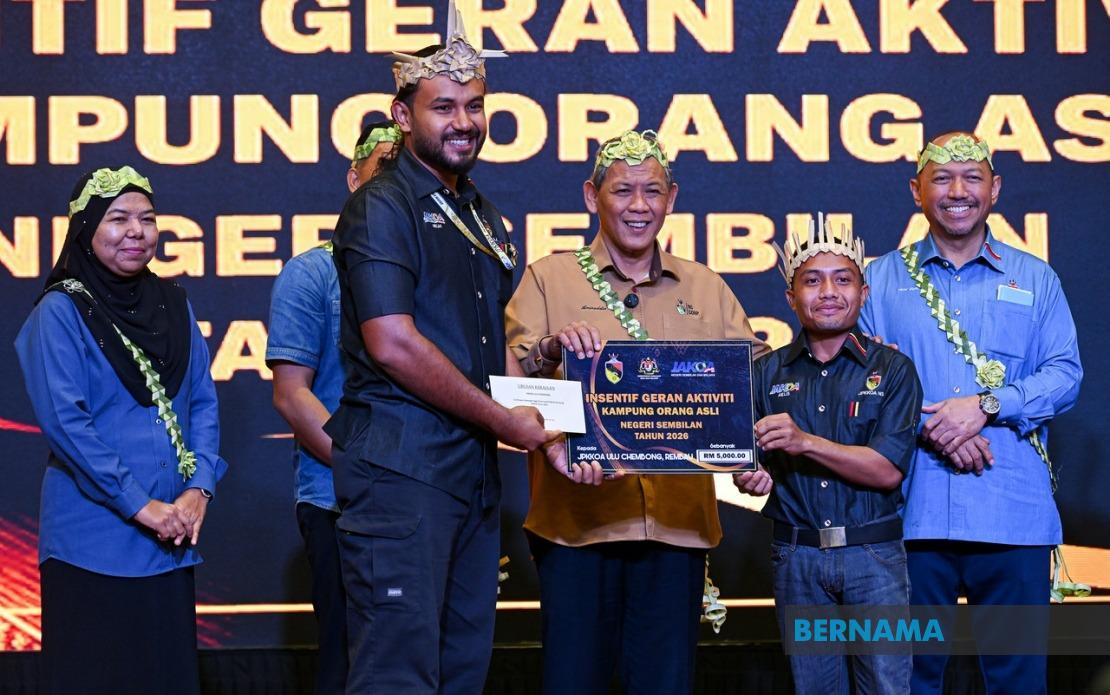
The Orang Asli Village Activity Grant Incentive that Aminuddin presented simultaneously—worth RM415,000—illustrates how electoral cycles intersect with governance activities. Such grant distributions, whilst addressing genuine community needs, occur within electoral contexts where their visibility and impact shape voter perceptions. Indigenous communities in Negeri Semibilan represent a significant demographic segment, and their engagement constitutes a substantive component of campaign strategy.
Looking forward, the announcement of the final candidate slate will reveal subtle information about factional balance within parties and coalition priorities. Whether sitting assemblypersons receive nomination, whether controversial figures are rehabilitated or sidelined, and how women candidates are positioned within winnable seats will all communicate internal dynamics. The subsequent campaign period will test whether the coalition has constructed a competitive proposition or whether the opposition—led by BN—has gained sufficient advantage to recapture state control.
The submission represents transition from internal party deliberation to public electoral competition. As candidates prepare to campaign and coalition machinery mobilises resources, Negeri Semibilan enters the decisive phase of its electoral cycle. The state's August result will contribute to the broader political narrative shaping Malaysia's trajectory through the remainder of 2023 and into 2024.

