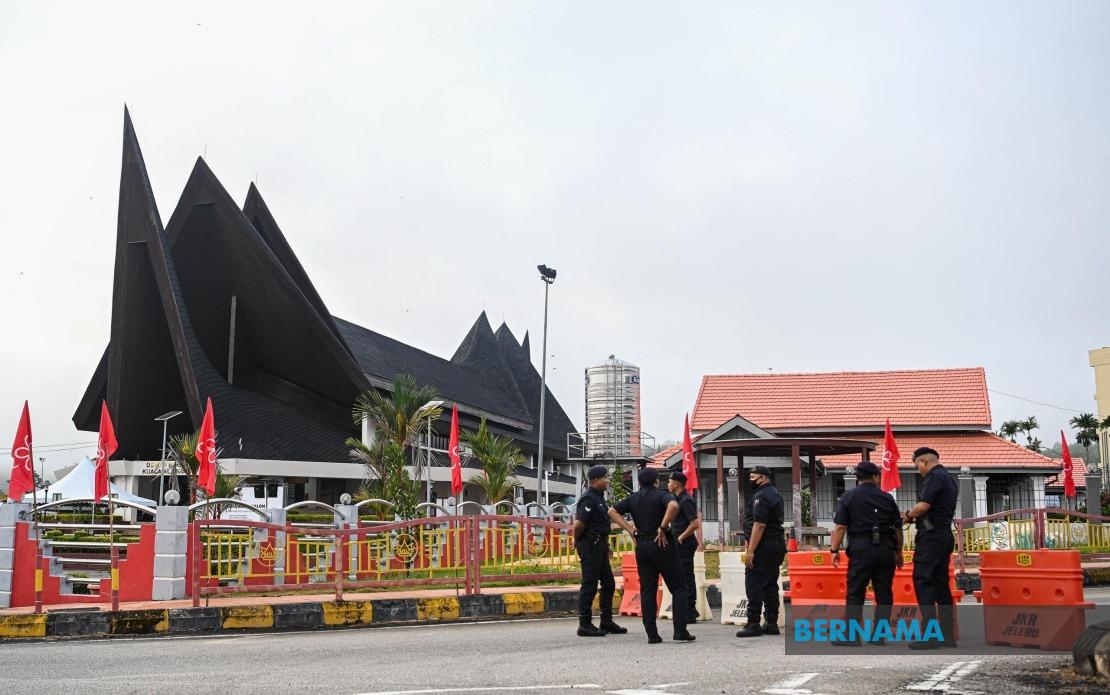
Negeri Sembilan's electoral machinery moved into high gear on July 18 as eight nomination centres across the state opened their doors for candidates vying to contest the 16th state election. The nomination process, which ran from 9 am to 10 am, proceeded without hitches under clear skies and favourable weather conditions that had set the tone for what political observers anticipated would be a competitive campaign season. Election Commission officials had positioned themselves strategically across all eight centres to manage the influx of nominations and ensure compliance with electoral regulations, while media crews and party supporters converged on the nomination venues from early morning to witness the formal commencement of the electoral battle.
The dissolution of the 36-seat state assembly on June 5 had set the electoral calendar in motion, with the commission scheduling early voting for July 28 and designating August 1 as polling day. This compressed timeline meant that parties had limited weeks to mobilise their machinery, campaign across constituencies, and persuade voters. The stakes were particularly high given the fragmented political landscape that has characterised Malaysian state politics in recent years, where no single coalition commands an overwhelming majority, making coalition-building and strategic seat allocation critical factors in electoral outcomes.
Approximately 889,490 voters across Negeri Sembilan hold the power to determine the state's political direction, a figure encompassing 867,151 ordinary voters, 16,884 military personnel and their spouses, and 5,455 police personnel. This voter base reflects the state's demographic composition and includes both urban and rural constituencies with distinct electoral dynamics. The inclusion of military and police voters adds another dimension to the electoral competition, as these constituencies have historically shown different voting patterns compared to the general civilian population.
Pakatan Harapan's decision to field candidates across all 36 seats signals confidence in its organisational capacity and electoral appeal, effectively challenging all other contenders for legislative control. This blanket strategy contrasts with Barisan Nasional's more selective approach, contesting only 25 seats, which suggests the coalition has strategically identified battlegrounds where it believes it can prevail. Perikatan Nasional's entry with 11 candidates positions the coalition as a challenger attempting to carve out representation in what has become a crowded electoral marketplace.
The fragmentation extends beyond the major coalitions. Parti Pribumi Bersatu Malaysia registered as a solo contender, announcing its intention to contest 24 seats, a substantial number that reflects its strategic repositioning within the broader political ecosystem. This move underscores the fluid nature of Malaysian coalition politics, where parties frequently recalibrate their alliances based on electoral prospects and internal party dynamics. Bersatu's participation also includes an unusual arrangement whereby Parti Bersepakat Hak Rakyat Malaysia (Urimai) would contest two seats under the Bersatu logo, illustrating the creative coalition mathematics that characterise Malaysian elections.
Smaller parties also registered their candidacies. Parti Orang Asli Malaysia, Parti Sosialis Malaysia, and Parti Barisan Jemaah Islamiah Se-Malaysia each fielded a single candidate, representing niche political constituencies and ideological positions that appeal to specific voter segments. While these parties rarely win seats, their presence in the electoral contest reflects the democratic principle of allowing diverse political voices to participate in the formal electoral process, even if their chances of legislative success remain limited.
The 2023 Negeri Sembilan election results provide essential context for evaluating the current contest. Pakatan Harapan's capture of 17 seats granted it a narrow plurality, insufficient for outright control in a 36-member assembly. Barisan Nasional's 14 seats positioned it as the principal opposition force, while Perikatan Nasional's five seats gave it potential kingmaker status in close coalition negotiations. These results demonstrate the highly competitive nature of state-level politics in Negeri Sembilan and suggest that the 2024 contest could reshape the political alignment depending on which parties successfully mobilise their supporters and convert marginal seats.
The nomination day itself embodied the rituals of democratic elections. Media practitioners had assembled at nomination centres since early morning, prepared to document candidates filing their nomination forms and interpret the political significance of who stood for election and which constituencies parties prioritised. Political party supporters gradually increased in number throughout the morning, creating a visible demonstration of grassroots mobilisation and electoral enthusiasm. These scenes, replicated across eight distinct nomination centres, presented a snapshot of democratic participation in action, with candidates formally placing themselves before the electoral judgment of the Negeri Sembilan people.
For Malaysian observers and political analysts, the Negeri Sembilan election carries implications beyond the state's boundaries. As a state with a substantial voter population and a politically competitive environment, electoral outcomes here often provide early indicators of broader shifts in Malaysian political preferences. The campaign leading to August 1 will likely feature debates over state development priorities, governance performance, and the continuing evolution of coalition politics in the post-2022 era. How effectively different parties articulate their visions for Negeri Sembilan's future, and whether they successfully motivate voters to support their candidates, will determine whether the political configuration changes or remains relatively stable.
The favourable weather conditions that greeted the nomination process represented merely a superficial detail in a more complex political narrative. Beneath the logistical smoothness lay deeper questions about voter preferences, party strategy, and the future direction of Negeri Sembilan governance. The period between nomination day and August 1 would witness intensive campaigning, with candidates traversing constituencies, parties deploying resources strategically, and media scrutiny intensifying as polling day approached.

