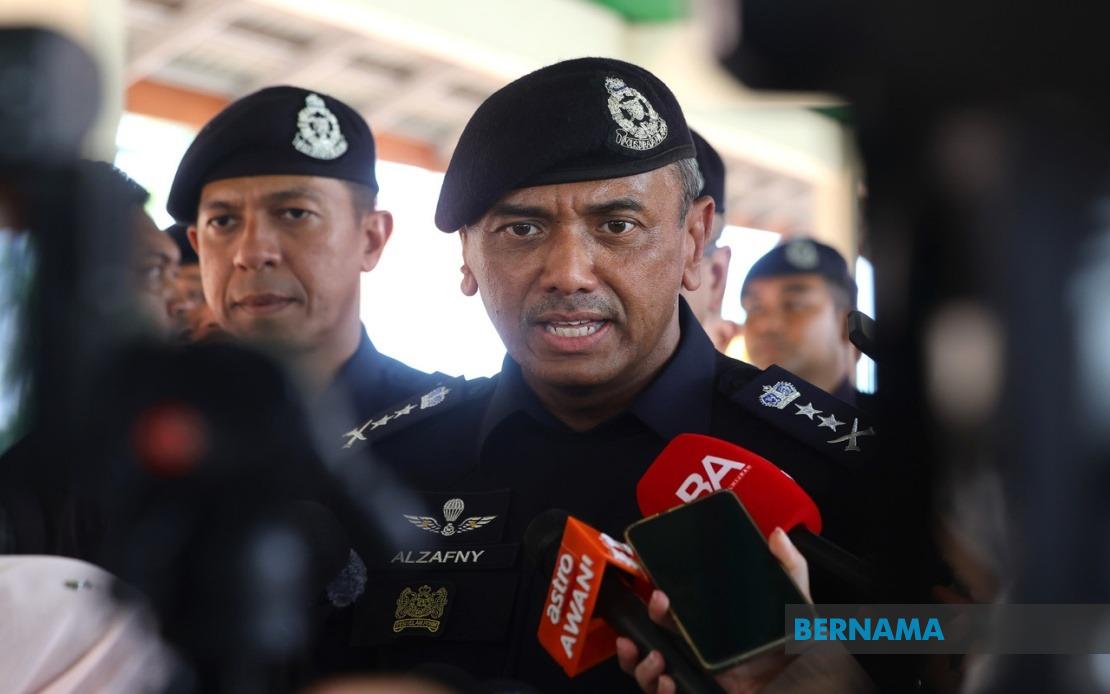
The nomination process for Negeri Sembilan's 16th state election unfolded without incident on July 18, according to police authorities monitoring the event across the state. Datuk Alzafny Ahmad, the state police chief, reported that all eight nomination centres operated in an orderly fashion from morning through noon, with party supporters adhering to police directives and maintaining an atmosphere of relative calm.
Attendance figures at the various centres reflected strong grassroots participation from contending political movements. Between 1,000 and 2,500 supporters gathered at each nomination point, demonstrating considerable voter engagement ahead of the August 1 polling day. The Jempol nomination centre drew the heaviest turnout with approximately 2,500 supporters representing the competing parties, while Kuala Pilah registered the lowest attendance with roughly 1,000 participants. These variations suggest uneven distribution of party machinery and mobilisation efforts across the state's constituencies.
The security operation was notably extensive, with police deploying 2,373 officers and personnel across all nomination centres to ensure orderly proceedings and manage traffic flow. This substantial commitment of resources underscores the potential flashpoints authorities anticipated during what is typically a high-energy political moment, when candidates file their candidacies and supporters demonstrate their party loyalties. The deployment strategy appeared effective, as police reported no security breaches or public disorder incidents marring the day's activities.
Beyond operational security concerns, Datuk Alzafny issued explicit guidance to candidates regarding campaign conduct, placing particular emphasis on self-restraint regarding Malaysia's constitutionally sensitive matters. He urged all contesting parties to refrain from campaign messages touching on religion, royalty, or race—the so-called "3Rs" that remain constitutionally protected subjects in Malaysia's plural society. This admonition reflects long-standing police doctrine concerning campaign ethics, designed to prevent the escalation of communal tensions during competitive political periods.
The police chief's appeal extended to broader standards of campaign behaviour, encouraging candidates to promote their party platforms and policy positions without resorting to inflammatory rhetoric or personal attacks. Statements carrying potential to provoke public anxiety, incite hatred between communities, or invite racial discord were specifically flagged as unacceptable during the campaign phase. This guidance reflects Malaysia's post-independence commitment to maintaining inter-communal harmony while permitting robust democratic competition.
Practical compliance issues also featured in police guidance to candidates, including the requirement to wear safety helmets when riding motorcycles through villages and residential areas during campaign activities. While ostensibly a traffic safety matter, this directive also implicitly signals police intentions to monitor candidate movements and enforce comprehensive regulatory adherence throughout the campaign period. Such meticulous oversight has become standard practice in Malaysian electoral administration, establishing baseline expectations for candidate behaviour beyond purely political considerations.
The Election Commission and police have jointly established monitoring teams specifically tasked with ensuring comprehensive compliance with election regulations during the campaign phase. This coordinated approach reflects the institutional architecture developed across Malaysian elections, where law enforcement and electoral bodies work in tandem to manage the political process. Their collaborative framework aims to catch violations early and deter potential breaches before they can develop into systemic problems affecting election integrity.
Negeri Sembilan's electoral timeline provides candidates with approximately two weeks between nomination and polling day to campaign. Early voting has been scheduled for July 28, five days before the main election, allowing registered voters unable to participate on August 1 to cast ballots in advance. This compressed campaign period requires candidates and their organisations to work efficiently, as the window for grassroots mobilisation and voter persuasion is relatively narrow compared to federal-level contests.
The smooth nomination proceedings contrast with occasional tensions seen in some previous state elections, where competing parties or supporters have clashed at nomination centres. The absence of reported incidents suggests either effective police deterrence, matured political behaviour among Negeri Sembilan's contending parties, or likely a combination of both factors. For Malaysian electoral observers, the orderly nature of nomination day carries significance beyond procedural routine—it establishes the tone for the subsequent campaign phase and potentially indicates the likely trajectory of inter-party conduct through voting day.
Negeri Sembilan's political landscape features competition among Malaysia's major political coalitions, with Barisan Nasional, Pakatan Harapan, and potentially other political movements fielding candidates across state assembly seats. The state has historically represented a political battleground where national trends often find early expression, making its electoral outcomes closely watched for signals regarding shifts in voter sentiment. This nomination day event therefore carries weight extending beyond state boundaries, as political analysts parse the candidate lists and party strategies for clues about broader national political movements.
For ordinary Negeri Sembilan voters, the successful completion of nomination proceedings signals the beginning of competitive politics in earnest. The coming weeks will bring candidate visits, ceramah political speeches, manifesto launches, and intensive grassroots engagement as parties seek to convert supporters into actual votes. Police and election authorities will simultaneously intensify monitoring efforts to ensure that campaign competition remains vigorous while remaining within prescribed legal and ethical boundaries, maintaining the delicate balance between democratic freedom and social stability that Malaysian electoral law attempts to achieve.

