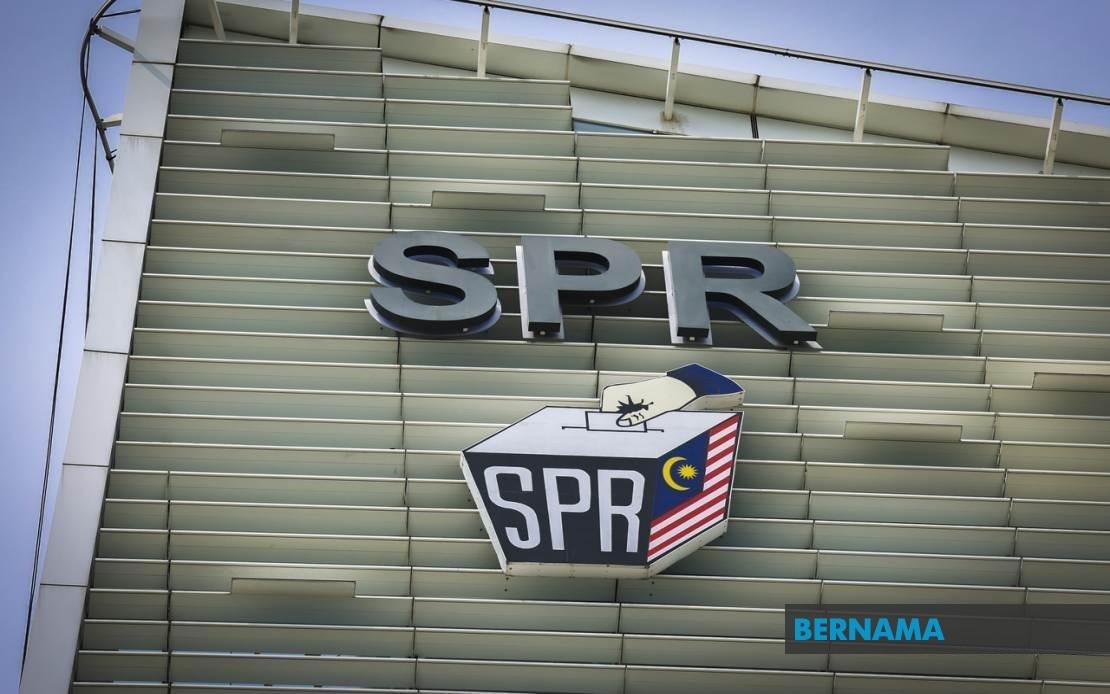
The race to control Negeri Sembilan's state government enters its critical phase tomorrow as nomination day opens across the state. The 16th Negeri Sembilan State Election marks the beginning of a 14-day campaign that will culminate on August 1, with the contest determining all 36 legislative seats. Eight nomination centres throughout the state will receive candidate submissions between 9 am and 10 am, after which returning officers will announce the complete roster of eligible contestants. This formal kickoff represents the culmination of months of internal party deliberations and signals the intensification of political activity in the peninsular state.
The electoral roll reflects a substantial and diverse electorate spread across Negeri Sembilan's constituencies. The Election Commission has registered 889,490 eligible voters comprising 867,151 ordinary voters, 16,884 military personnel and their spouses, and 5,455 police personnel and their spouses. This total encompasses the full cross-section of the state's population from urban centres to rural constituencies, each with distinct demographic characteristics and political histories. The voter composition underscores the significance of Negeri Sembilan within Malaysia's broader electoral dynamics, particularly given its historical role as a bellwether state that often indicates broader national political trends.
Pakatan Harapan has committed to fielding candidates in every constituency, demonstrating the coalition's determination to maximize its presence in the state. The coalition's slate comprises 16 candidates from PKR, 11 from DAP, and nine from Amanah, representing a balanced distribution that reflects the respective bargaining power of each component party. This comprehensive approach suggests that PH views Negeri Sembilan as strategically important and is investing significant organizational resources in the campaign. The coalition's internal allocation of seats reveals ongoing internal dynamics regarding portfolio distribution and the relative influence wielded by each member party within the broader alliance.
Barisan Nasional's candidate configuration demonstrates a contrasting approach, with the coalition fielding 25 candidates rather than contesting all available seats. UMNO will provide 16 candidates, MCA seven, and MIC two, reflecting the traditional ethnic and community-based organizational structure of the BN coalition. This decision to field fewer candidates than the total number of seats may indicate either a strategic calculation regarding resource allocation or recognition of challenging terrain in certain constituencies. The allocation also demonstrates UMNO's continued dominance within BN's candidate selection process, consistent with patterns observed in other state elections across Malaysia.
Perikatan Nasional presents a more fragmented picture, with multiple component parties operating under its banner whilst maintaining distinct identities. PAS will field five candidates, whilst Gerakan and the Malaysian Indian People's Party each contribute one candidate. Wawasan Negara, the latest addition to the PN coalition, is making its electoral debut with four candidates in this contest. This arrangement illustrates how PN has expanded its coalition base in recent years, incorporating newer political entities that previously lacked electoral platforms. However, the inclusion of multiple smaller parties within PN's umbrella potentially dilutes the coalition's messaging coherence and may create logistical challenges in campaign coordination.
Bersatu's decision to contest independently whilst remaining technically part of PN introduces considerable complexity to the broader opposition landscape. By retaining its own logo and organizational identity rather than operating under the PN banner, Bersatu effectively signals either dissatisfaction with coalition arrangements or strategic positioning for post-election negotiations. This approach is particularly significant given Bersatu's historical role as a kingmaker in Malaysian politics, and its independent candidacy may prove consequential in constituencies where PN and BN candidates split the opposition vote. The party is expected to unveil its full candidate list later, though the timing of this announcement remains uncertain.
Several smaller parties will participate in the election, adding further diversity to the electoral offerings available to voters. Parti Orang Asli Malaysia and Parti Sosialis Malaysia will each field single candidates, potentially appealing to specific constituency electorates or ideological demographics. Parti Barisan Jemaah Islamiah Se-Malaysia is expected to field seven candidates, indicating a more organized presence than some micro-parties. Notably, MUDA, Pejuang, and Bersama have confirmed they will not contest, suggesting either resource constraints, strategic decisions to focus efforts elsewhere in Malaysia, or acknowledgment of difficult electoral prospects in Negeri Sembilan.
The Election Commission has issued practical guidance to prospective candidates to ensure a smooth nomination process. Candidates are encouraged to have their nomination papers verified in advance at the Returning Officer's Office or the State Election Office, reducing the likelihood of rejections on technical grounds. Additionally, candidates are advised to settle their election deposits before nomination day and bring payment receipts as verification. These administrative preparations reflect lessons learned from previous elections and represent efforts to streamline a process that historically has sometimes involved logistical complications or last-minute surprises that alter electoral configurations.
Weather considerations may influence nomination day proceedings and early campaign activities. The Malaysian Meteorological Department has issued a special forecast predicting generally fair conditions across most of Negeri Sembilan on Saturday morning, though Port Dickson and Seremban are expected to experience rain. Thunderstorms are forecast for the afternoon across the entire state, potentially affecting campaign preparations and candidate movements. These meteorological factors, whilst seemingly minor, can influence voter turnout and campaign logistics, particularly in constituencies where transportation infrastructure is less developed.
The 2023 state election results provide an essential baseline for understanding the contest ahead. Pakatan Harapan secured 17 seats, whilst Barisan Nasional won 14 and Perikatan Nasional captured five, leaving the state under PH control with a narrow majority. This outcome suggests a relatively competitive political environment where shifts in voter behaviour or turnout could dramatically alter seat allocations. The intervening period since the last election has witnessed significant national and state-level political developments, including shifts in coalition alignments, policy positions, and public sentiment regarding governance performance. These broader changes create an uncertain electoral landscape where previous voting patterns may not reliably predict current behaviour.
Negeri Sembilan's political significance extends beyond its own governance implications. As a state of approximately 1.2 million people positioned centrally within peninsular Malaysia, it serves as an important indicator of broader electoral trends and coalition viability. The state's political culture has historically featured substantial ticket-splitting and independence from national coalition outcomes, suggesting that local issues, candidate quality, and state administration records will substantially influence voter decisions. The coming campaign will therefore likely feature considerable focus on state-specific concerns including economic development, infrastructure projects, and local governance effectiveness, alongside national political narratives regarding coalition performance and ideological positioning.
The dissolution of the Negeri Sembilan State Legislative Assembly on June 5 with the consent of Tuanku Muhriz Tuanku Munawir initiated the formal process leading to this election. The constitutional and ceremonial dimensions of this dissolution underscore the alignment between the state's political leadership and the ruling monarch regarding the necessity for electoral renewal. The 14-day campaign period represents a compressed timeframe for campaigning, requiring political parties to deploy resources efficiently and maintain campaign momentum across multiple constituencies simultaneously. This accelerated schedule will test the organizational capabilities of each coalition and individual party, determining their ability to reach voters effectively and construct compelling electoral narratives during the campaign period.

