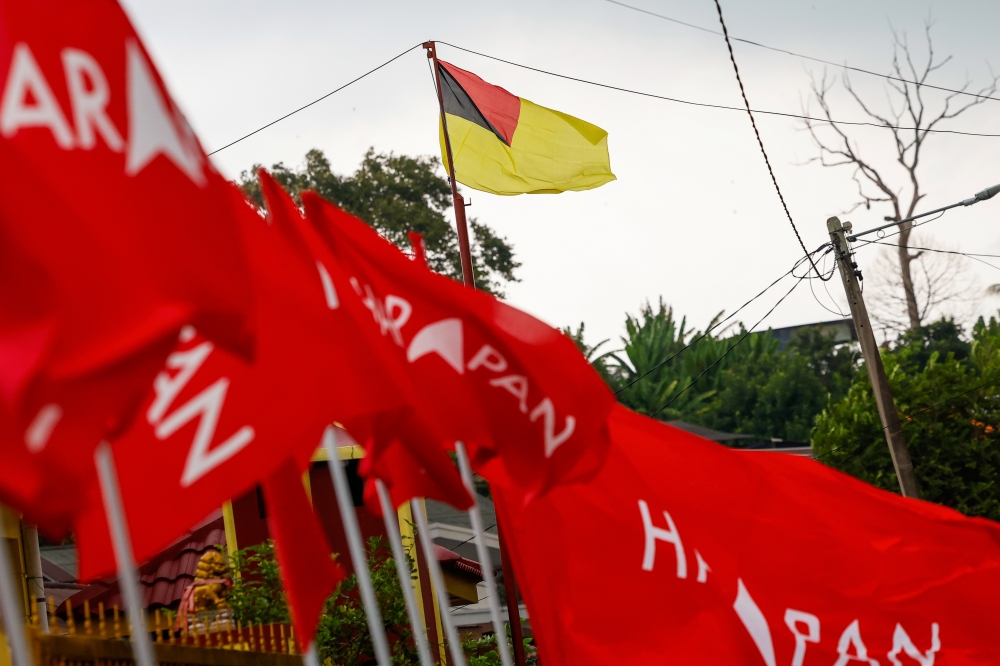
The Royal Malaysia Police's Negeri Sembilan contingent has formally opened two investigation papers into incidents of property destruction stemming from election-related mischief, marking a notable enforcement response to misconduct during the current campaigning season. The twin probes underscore mounting concerns about the physical integrity of public and private property as various political factions intensify their grassroots mobilisation efforts across the state, and they highlight the police force's commitment to maintaining public order during a period typically marked by heightened political activity.
During election cycles, Malaysia has historically witnessed sporadic incidents of property damage associated with campaign activities, ranging from the unauthorised posting of promotional materials and defacement of public surfaces to more deliberate acts of destruction targeting rival political party infrastructure. Such conduct, while sometimes dismissed as minor infractions, can escalate tensions between competing political organisations and erode public confidence in the electoral process itself. The Negeri Sembilan police's decision to formalise investigations into two separate matters suggests that the incidents in question met a threshold of severity warranting formal documentation and potential prosecutorial action.
The timing of these investigations carries particular significance within Malaysia's political landscape. Negeri Sembilan, which comprises nine districts and has historically been a competitive electoral terrain, remains strategically important to both federal and state-level political calculations. Property damage tied to election activities can reflect broader organisational discipline issues within political structures, potentially signalling to voters questions about whether candidates and parties can effectively govern civic affairs. The police action thus serves a dual function: addressing immediate law enforcement concerns while sending a deterrent message to all political actors regarding acceptable campaign conduct boundaries.
Investigation files in the Malaysian system typically progress through several stages before determining whether charges will be recommended to the attorney general's office. The opening of formal papers indicates that officers have gathered sufficient preliminary information to justify documented inquiry rather than dismissive treatment. The specific nature of the property damage—whether targeting campaign billboards, party offices, public infrastructure, or private residences—will significantly influence both the legal classifications applied and the investigative intensity deployed. Vandalism-related statutes carry varying penalties depending on the value of damaged property and the presence of aggravating factors such as premeditation or organised involvement.
For Malaysian political parties, these investigations carry operational implications beyond immediate legal exposure. Candidates and campaign organisers face incentives to implement internal oversight mechanisms ensuring volunteer compliance with election conduct regulations. Political parties that demonstrate capacity for self-regulation often face lighter police and electoral commission scrutiny, while those associated with repeated property-related incidents risk reputational damage affecting electoral prospects. The Negeri Sembilan police action thus creates a cascading effect throughout state-level party structures, prompting conversations about campaign discipline and volunteer training protocols.
The electorate's perspective on such investigations merits consideration as well. Voters increasingly expect that election periods, while inevitably contentious, should not devolve into contexts where community property faces physical jeopardy. Property destruction incidents can deepen public cynicism about political processes and may suppress voter turnout among those seeking to distance themselves from perceived chaos. Communities experiencing campaign-related vandalism may develop negative associations with particular political movements, thereby indirectly influencing electoral outcomes through mechanisms unrelated to policy or leadership capacity.
Regionally, Malaysia's approach to enforcing election-period misconduct regulations offers instructive lessons for other Southeast Asian democracies navigating comparable challenges. The willingness of law enforcement agencies to document and pursue property-damage investigations demonstrates institutional independence from political pressure, a characteristic increasingly scrutinised by international observers assessing democratic governance quality. Negeri Sembilan police action thus indirectly strengthens Malaysia's standing within regional and international frameworks evaluating electoral system integrity.
The investigation process itself remains shrouded in operational secrecy, with police releasing minimal details regarding specific incidents, locations, or suspected perpetrators pending case development. This information quarantine reflects standard investigative practice designed to preserve evidentiary integrity and protect witnesses. However, it also means that public understanding of the incidents in question depends heavily upon police disclosures at investigation conclusion or upon any subsequent court proceedings if charges materialise. This opacity sometimes generates speculation and incomplete narratives circulating through social media channels, potentially amplifying rather than clarifying the incidents' significance.
Looking forward, the trajectory of these investigations will likely influence campaign behaviour patterns throughout Negeri Sembilan's remaining election period. Political operatives typically adjust tactics based on perceived enforcement intensity, and police action targeting property damage sends unmistakable signals about consequences for uncontrolled campaign activity. Party leaderships may intensify training for ground-level workers, implement digital monitoring of volunteer conduct, and establish clearer accountability structures for campaign infrastructure. The deterrent effect depends substantially upon whether investigations progress toward prosecutorial recommendations and whether any resulting court cases yield convictions and meaningful penalties.

