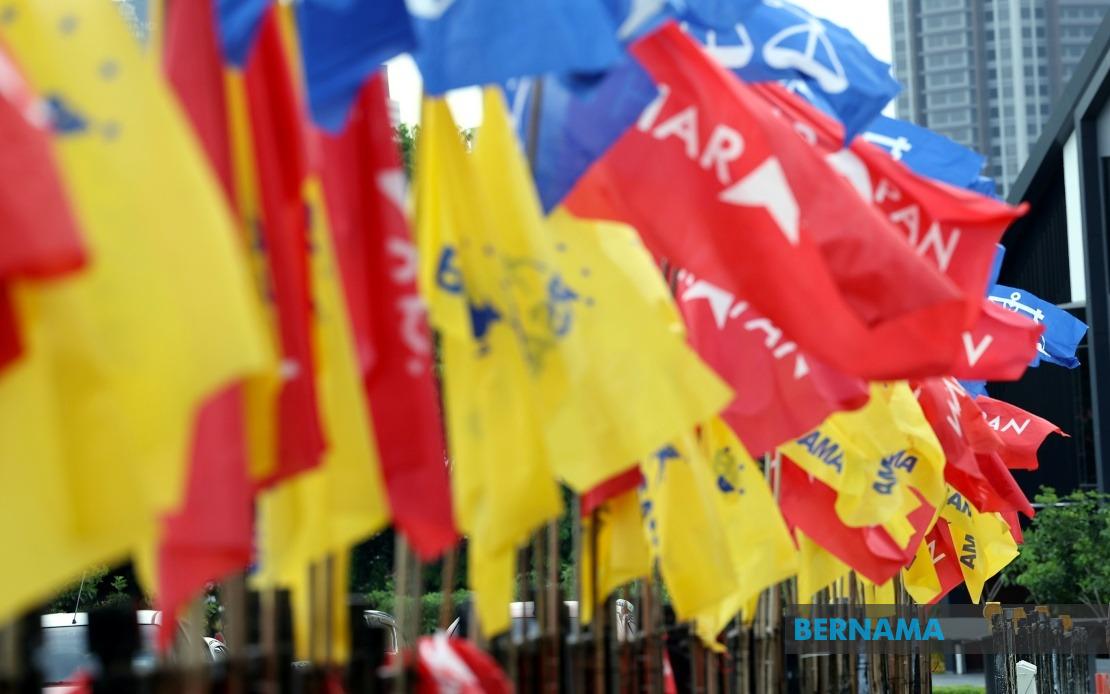
Police in Negeri Sembilan have granted approval for 19 permit applications related to political talks and campaign activities as the state heads toward the 16th Negeri Sembilan State Election, signalling orderly preparations for the democratic exercise scheduled for early August. Datuk Alzafny Ahmad, the state's police chief, confirmed that all applications submitted since the previous day had met the regulatory requirements necessary for clearance, demonstrating compliance with established protocols governing election-period political activities.
The approval of these 19 permits reflects the state's commitment to facilitating democratic participation while maintaining structural oversight of campaign operations. Political ceramah, which serve as crucial platforms for candidates to communicate their vision and policy positions directly to constituents, represent a cornerstone of Malaysian electoral tradition. By streamlining the permit process, authorities enable campaigners to reach voters efficiently whilst ensuring events proceed within legal parameters and do not compromise public welfare or social cohesion.
Despite granting these approvals, Alzafny emphasised that police would maintain vigilant oversight of all political programmes and activities throughout the campaign period. This dual approach—enabling democratic expression whilst enforcing compliance—reflects Malaysia's approach to balancing electoral freedom with public order considerations. Every event would be scrutinised to confirm adherence to electoral laws and regulations, with particular attention to preventing disruptions that might threaten public safety or social stability during this politically charged period.
The overall security environment in Negeri Sembilan has remained stable as the election cycle progresses. Alzafny reported that the state's security and public order situation continues to remain sound and manageable, a positive indicator for election administrators and voters alike. The measured assessment suggests that despite heightened political activity and campaign intensity, communities across the state have conducted themselves responsibly, and authorities have effectively managed the operational demands of the electoral period without significant incident.
Enforcement data further underscores the relatively orderly nature of the pre-election environment. Authorities have processed only one police report since the election process began, indicating minimal breaches of election-related regulations or laws. Notably, no investigation papers have yet been lodged concerning election offences, suggesting that political actors have largely respected legal boundaries and that the broader public has refrained from conduct that might trigger law enforcement intervention during this sensitive period.
Looking ahead, Alzafny signalled that police would intensify their operational readiness, surveillance operations, and law enforcement capabilities throughout the remainder of the election cycle. This commitment reflects standard practice during state-level polls, when authorities typically elevate their preparedness to respond swiftly to any irregularities, disturbances, or violations that might emerge. Enhanced presence and responsiveness serve as deterrents against potential misconduct whilst reassuring voters and election officials of institutional stability.
The police chief declared an uncompromising stance toward any violations of electoral law or public order regulations. Enforcement action would be undertaken with rigour and consistency, treating all violations with equal seriousness regardless of political affiliation or actor identity. This commitment to firm, fair and impartial application of the law addresses long-standing concerns about the equitable treatment of competing political interests during elections, reinforcing public confidence that electoral processes serve all participants equally.
For voters and the broader public, Alzafny issued an appeal for lawful conduct and civic responsibility during the election period. The police chief urged citizens to respect democratic principles and processes, maintain proper conduct, and extend cooperation to law enforcement personnel deployed to manage the electoral environment. This collective responsibility framework positions public participation not merely as a voting exercise but as a civic duty encompassing adherence to legal standards and support for institutional structures that enable democratic exercise.
The 36-seat Negeri Sembilan State Legislative Assembly was dissolved on June 5, setting the electoral calendar in motion. The Election Commission subsequently announced that early voting would occur on July 28, with general polling scheduled for August 1. These dates provide candidates and voters with approximately six weeks of campaign activity and preparation, a timeframe that historically allows for substantive political engagement whilst maintaining campaign intensity at manageable levels.
Negeri Sembilan's state election occurs within Malaysia's broader electoral cycle, carrying implications for regional political dynamics and coalition configurations at both state and national levels. Results from the 36-seat assembly will influence political calculations across the peninsula and may signal voter sentiment regarding governance and policy direction. The approval of campaign permits and the maintenance of orderly electoral conditions thus represent preconditions for meaningful democratic choice and legitimate electoral outcomes.
The successful permit approval process reflects institutional coordination between electoral authorities, law enforcement, and political actors operating within established regulatory frameworks. For Malaysian and Southeast Asian observers, Negeri Sembilan's management of campaign permissions demonstrates how democratic systems can accommodate political competition whilst preserving public order, offering lessons for electoral administration in diverse, pluralistic societies navigating the challenges of maintaining legitimacy through inclusive democratic processes.

