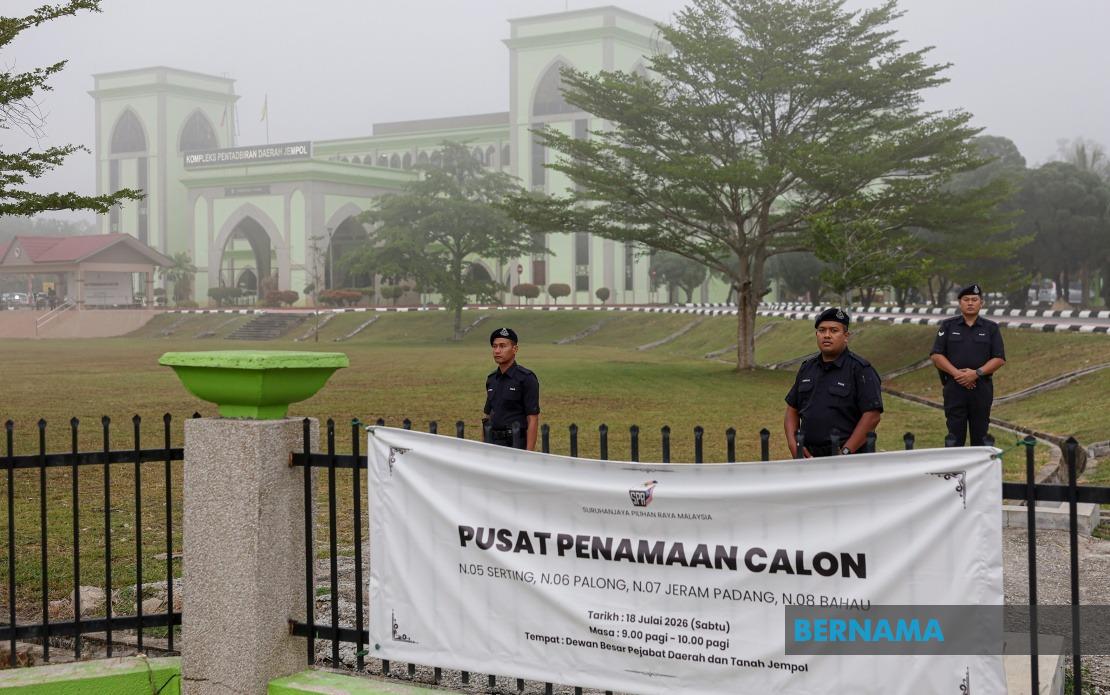
Nomination proceedings for Negeri Sembilan's 16th state election commenced this morning as all eight polling nomination centres became operational simultaneously at 9 am, marking the formal launch of candidate registration across the central Malaysian state. The one-hour window allocated for this critical administrative phase will conclude at 10 am, after which returning officers are expected to release the comprehensive roster of candidates deemed eligible to contest the upcoming poll.
The electoral calendar has been carefully structured to allow adequate time for campaigning. The 14-day campaign period will commence immediately following the official announcement of approved candidates and will run until 11.59 pm on July 31, providing parties and candidates with sufficient opportunity to canvas voters across all constituencies. This timeline compresses the political discourse into a relatively brief span, requiring campaign machinery to operate at maximum efficiency across Negeri Sembilan's seven districts.
Weather assessments conducted across the state indicated favourable atmospheric conditions throughout the nomination process, eliminating potential disruptions from inclement weather. This positive forecast removes one variable that could have complicated voter participation and candidate movement during the critical registration phase. The absence of weather-related challenges means that any nomination irregularities or low turnout cannot be attributed to environmental factors.
Security preparations have been comprehensive. Negeri Sembilan police chief Datuk Alzafny Ahmad confirmed that 2,393 police personnel have been strategically deployed across all eight nomination centres to ensure the nomination proceedings maintain order and security. This substantial deployment underscores the importance placed on administering the process without disruption, reflecting standard procedures for state-level elections where maintaining institutional credibility is paramount.
The election itself was triggered following the dissolution of the Negeri Sembilan State Legislative Assembly on June 5 of this year, an action undertaken with the formal consent of Tuanku Muhriz Tuanku Munawir, the Yang Dipertuan Besar of Negeri Sembilan. This constitutional process sets the stage for voters to determine the composition of the state parliament for the subsequent term, with significant implications for governing arrangements and policy direction across the state.
The electoral landscape in Negeri Sembilan reflects broader patterns evident across Malaysian politics. In the previous state election held in 2023, Pakatan Harapan secured dominance by winning 17 of the 36 available state seats, establishing a clear majority. Barisan Nasional followed with 14 seats, while Perikatan Nasional captured five seats, demonstrating the fragmented nature of political competition at the state level. These results will likely shape candidate selection and coalition strategies for the current contest.
The Election Commission has scheduled early voting for July 28, accommodating military personnel, their spouses, and police officers who may face deployment constraints on general polling day. The main election will proceed on August 1, providing the three-day gap necessary for finalising preparations and conducting security briefings. This staggered approach ensures that no eligible voter is disenfranchised due to professional obligations.
The electoral roll presents a substantial body of voters. As of June 4, 2026, Negeri Sembilan encompasses 889,490 registered voters distributed across three categories: 867,151 ordinary voters who will cast ballots on August 1, and combined military and police personnel totalling 22,339 who participate through early voting mechanisms. This voter population ensures that the state election carries meaningful representation, as approximately 890,000 voices will influence parliamentary composition.
For Malaysian observers and regional analysts, the Negeri Sembilan election carries implications extending beyond state boundaries. As a mid-term test of political sentiment following previous election cycles, results may signal voter preferences and confidence in governing coalitions. The performance of Pakatan Harapan in defending its 2023 majority, Barisan Nasional's capacity to improve its position, and any shifts in Perikatan Nasional's support will provide data points for understanding electoral momentum as Malaysia approaches potentially larger national contests.
The nomination process unfolds amid Malaysia's evolving political dynamics, where state elections serve as barometers of public opinion and testing grounds for campaign strategies. Negeri Sembilan's position as a significant state politically and economically makes its electoral outcomes noteworthy for national political parties and investors monitoring the stability of governance frameworks. The successful administration of today's nomination proceedings sets the foundation for what promises to be a closely watched campaign across the coming weeks.

