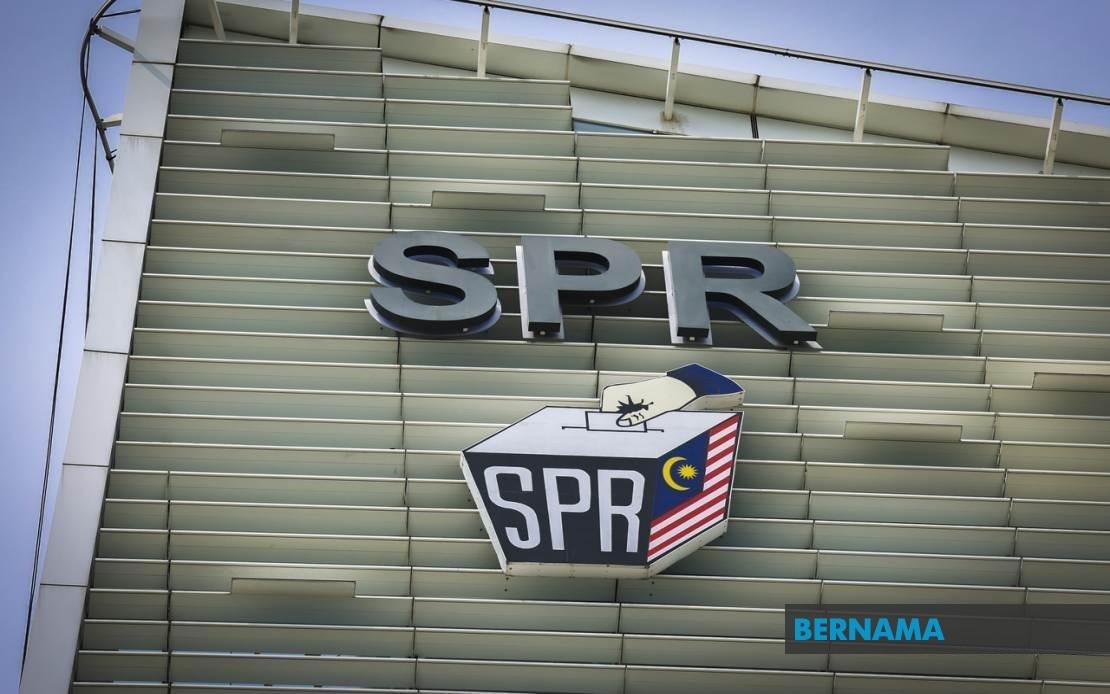
The Election Commission has begun distributing postal ballot papers for the upcoming Negeri Sembilan state election, with 13,263 ballots issued on July 20 to voters who qualify under postal voting provisions. The distribution marks a key preparatory step ahead of the August 1 election, with early voting already scheduled for July 28 to accommodate various eligible groups including election officials, military and police personnel, media practitioners, and Malaysians abroad.
According to EC Secretary Datuk Khairul Shahril Idrus, the postal voting exercise adheres strictly to the Elections (Postal Voting) Regulations 2003, ensuring that all eligible categories receive their ballots through proper channels. The vast majority of postal ballots — 12,669 in total — were allocated under Form 1A, which covers election commission staff, poll workers, uniformed personnel, and journalists who cannot be present at polling stations on election day due to their professional obligations.
The remaining postal ballots reflect Malaysia's commitment to ensuring electoral participation among citizens living outside the country and workers in critical sectors. Form 1B ballots numbering 343 went to Malaysians residing overseas, recognising that geographic distance should not prevent eligible citizens from exercising their democratic right. Meanwhile, 251 ballots under Form 1C were distributed to personnel from eleven government agencies operating in security and health sectors, acknowledging that essential service workers must continue their duties on polling day.
The distribution process itself incorporated transparency measures designed to build public confidence in postal voting. Representatives from all 103 candidates contesting the 36 state seats, as well as independent candidates, were present to observe the ballot issuance. This observer system provides assurance that the postal voting mechanism operates fairly and that no irregularities occur during the distribution phase, a particularly important safeguard given public sensitivity surrounding alternative voting methods.
Postal voters now face specific responsibilities to ensure their votes are properly cast and counted. The EC reminded all recipients that they must accurately and completely fill out the accompanying Identity Declaration Form, known as Form 2, alongside marking their ballot paper. Errors in either document could potentially invalidate a vote, making precision in completing these forms essential. Additionally, voters must return their completed ballots to the appropriate returning officers by 5 pm on August 1, the deadline that applies regardless of postal delivery times.
Security of the ballot remains paramount, and the Election Commission has explicitly cautioned postal voters against undermining voting secrecy through modern means. Voters are prohibited from photographing their postal ballots or sharing any images on social media platforms. This guidance reflects growing concerns about ballot integrity in the digital age, where documentation and circulation of ballot papers could potentially expose voting preferences or create opportunities for ballot trafficking and coercion. Maintaining the sanctity of secret ballot is fundamental to electoral legitimacy.
The Negeri Sembilan state election will see 103 candidates compete for representation across 36 state assembly constituencies. This relatively large number of candidates compared to available seats reflects significant political interest in the state contest. The election takes place within the broader context of Malaysia's evolving political landscape, where state-level contests increasingly command national attention and resources. The postal voting arrangement accommodates the complex logistics of conducting elections while ensuring that public servants and citizens overseas are not disenfranchised.
Electoral rolls updated as of June 4, 2026, indicate that Negeri Sembilan has 889,490 registered voters eligible to participate in the election. This figure comprises 867,151 ordinary voters who will vote on election day itself, supplemented by 16,884 military personnel and their spouses and 5,455 police officers who are designated as early voters. The staggered voting approach — with postal voting, early voting, and election day voting — reflects administrative necessities in managing a state with nearly 900,000 registered voters across its electoral districts.
For Malaysian voters, particularly those in the private sector or living in Negeri Sembilan, this election represents an opportunity to influence state governance on issues ranging from local economic development to education and public services. State elections, though overshadowed nationally by federal contests, directly determine the composition of state assemblies that make decisions affecting daily lives on matters like land, local councils, and state budgets. The postal and early voting provisions ensure that those unable to cast ballots on election day itself maintain meaningful participation.
The comprehensive postal voting framework demonstrates Malaysia's effort to balance electoral accessibility with security concerns. By accommodating different voter categories through distinct regulatory pathways while maintaining observer transparency, the system attempts to serve multiple constituencies — from overseas citizens to essential workers — without compromising the integrity mechanisms that underpin public trust in electoral outcomes. The upcoming election results will provide a fresh mandate for state leadership and shape Negeri Sembilan's political trajectory.

