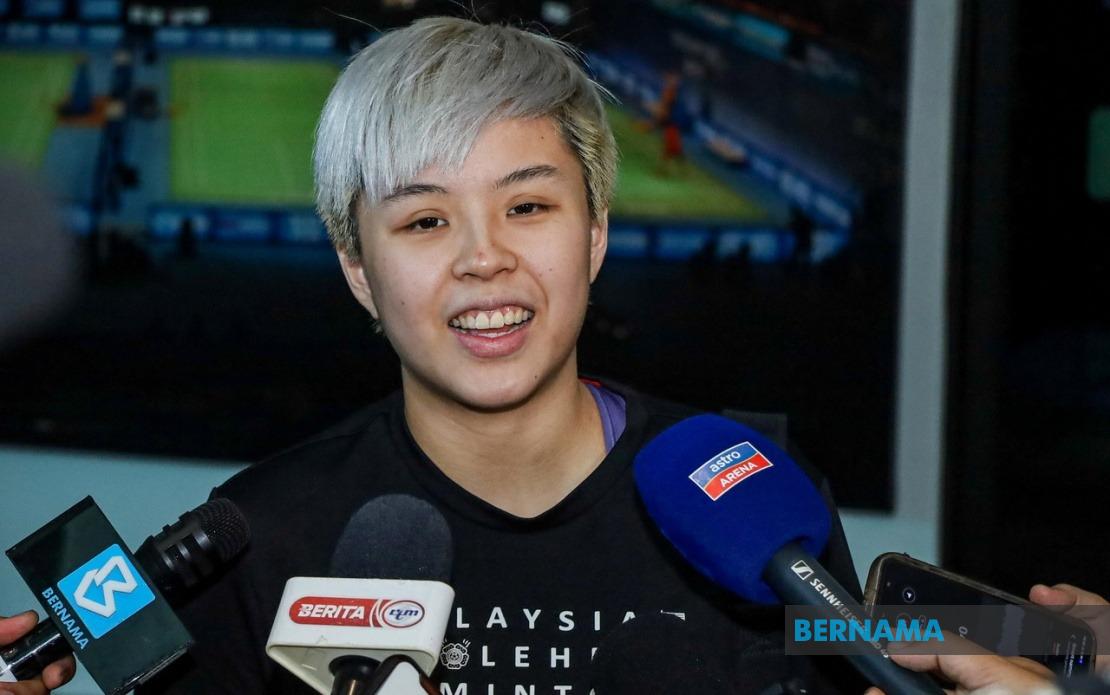
Malaysian mixed doubles shuttler Toh Ee Wei has undergone successful anterior cruciate ligament (ACL) surgery on her left knee in Melbourne, Australia, marking a crucial milestone in her recovery from an injury sustained during competitive play. The Badminton Association of Malaysia (BAM) confirmed the procedure was completed successfully on June 30, with Ee Wei now entering a critical rehabilitation phase that will determine her timeline for returning to international competition.
The injury that necessitated surgery occurred during the quarter-finals of the Singapore Open 2026 in May, an event that carries significant ranking implications for players competing at the professional badminton circuit level. ACL injuries in badminton are particularly consequential given the sport's demand for explosive lateral movements, rapid directional changes, and sustained court coverage—all elements that place tremendous stress on the knee joint. For a mixed doubles specialist, the injury represents not only a personal setback but also impacts her partnership dynamics and her team's competitive standing in the months ahead.
BAM's statement emphasised a comprehensive commitment to Ee Wei's recovery process, pledging to mobilise both medical expertise and rehabilitation infrastructure to support her return to competition. This institutional backing reflects the national federation's investment in player welfare and their recognition that proper post-surgical management significantly influences long-term career longevity and performance levels. The federation's public commitment also signals to other athletes the support systems available to them when facing career-threatening injuries.
In her personal statement, Ee Wei expressed gratitude for the overwhelming encouragement from supporters and expressed optimism about the surgical outcome. Her measured tone suggests both relief that the procedure was successful and realistic acknowledgment that the real work of recovery lies ahead. Athletes undergoing ACL reconstruction typically face rehabilitation periods ranging from six to twelve months before return to competitive play, depending on the injury's severity, surgical technique employed, and individual recovery trajectories.
The injury comes at a particularly significant moment in Malaysia's badminton calendar, as the nation prepares for several major international tournaments. Mixed doubles remains a strong category for Malaysian badminton, with the partnership system requiring carefully calibrated chemistry and tactical coordination that cannot be quickly replicated. Ee Wei's absence during the recovery period will necessitate adjustments to team compositions and potentially create opportunities for other mixed doubles pairs to gain international exposure and ranking points.
Melbourne's selection as the surgery location indicates that BAM arranged for Ee Wei to receive treatment from specialised sports medicine practitioners with expertise in badminton-related injuries. Australia's reputation in sports medicine and rehabilitation facilities made it a logical choice for such a procedure, despite the geographical distance from Malaysia. This approach demonstrates the federation's willingness to seek world-class medical intervention rather than relying solely on domestic facilities.
The timing of the injury's announcement and subsequent surgical confirmation has allowed Ee Wei to maintain privacy during a vulnerable period while also keeping stakeholders informed of developments. Professional athletes increasingly recognise the psychological dimensions of serious injuries, with public support playing an underestimated role in maintaining mental resilience during lengthy rehabilitation periods.
Looking ahead, Ee Wei's rehabilitation will likely follow a structured protocol involving progressive strengthening, agility drills, and gradual return-to-sport activities. BAM's involvement suggests access to physiotherapists familiar with badminton-specific demands, ensuring that rehabilitation programming addresses not merely knee function but the sport-specific demands of mixed doubles play. The quality of this rehabilitation phase will substantially influence whether Ee Wei can return to her previous performance level or faces potential long-term functional limitations.
The incident also underscores the physical toll of international badminton competition, where players navigate demanding tournament schedules across multiple continents with limited recovery windows. For Malaysian readers following the sport, Ee Wei's injury is a reminder of the high-performance demands athletes accept and the importance of comprehensive support systems when injuries inevitably occur. Her transparent communication throughout the process may also inspire confidence among other athletes facing similar challenges.

