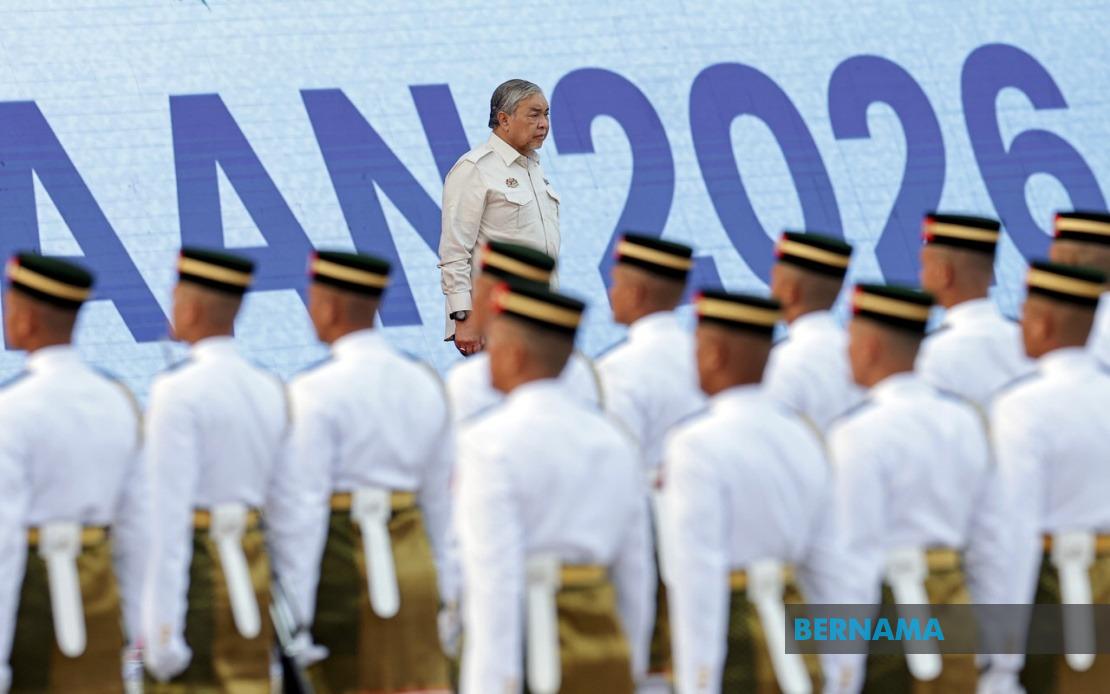
Malaysia's 2026 National Day celebration at Dataran Putrajaya has set a new benchmark for the annual commemoration, according to Deputy Prime Minister Datuk Seri Dr Ahmad Zahid Hamidi, who characterized the event as surpassing all previous iterations. Speaking to media after the festivities concluded, Ahmad Zahid attributed the heightened quality of this year's celebration to a demonstrable uptick in patriotic sentiment coursing through the nation, suggesting that Malaysians are increasingly embracing their national identity with renewed vigour and commitment.
The scale of participation underscored the deputy prime minister's observations. More than 100,000 members of the public converged on Dataran Putrajaya from the early morning hours, creating an atmosphere of collective celebration and national pride. This substantial turnout—significantly larger than typical National Day gatherings—points to a broader shift in how Malaysians are engaging with their national symbols and commemorative occasions, particularly at a time when the country continues to navigate complex social and political currents.
The parade itself reflected meticulous organisation and extensive civic participation. A total of 10,819 individuals marched across 76 contingents and 22 marching bands, creating a colourful tapestry of representation spanning various segments of Malaysian society. This diversity of participation, from youth organisations to professional bodies to cultural groups, illustrates how the National Day celebration has become a vehicle for showcasing Malaysia's multifaceted identity and the breadth of national engagement beyond formal governmental structures.
The event's official theme, "Malaysia MADANI: Kesejahteraan Dinikmati," encapsulates the government's broader messaging around shared prosperity and social well-being. This thematic focus represents an attempt to position National Day not merely as a historical commemoration but as a platform for articulating contemporary national aspirations and values. The emphasis on well-being and prosperity resonates particularly given Malaysia's ongoing economic challenges and the government's efforts to build consensus around development priorities that benefit all segments of society.
The presence of the nation's highest dignitaries lent considerable weight and ceremonial significance to the proceedings. His Majesty Sultan Ibrahim and Her Majesty Raja Zarith Sofiah, in their capacities as the King and Queen of Malaysia, graced the celebration, their attendance serving as the ultimate validation of the event's importance to the national fabric. Prime Minister Datuk Seri Anwar Ibrahim and Cabinet ministers were similarly present, transforming Dataran Putrajaya into a gathering point for the country's political and constitutional leadership.
Ahmad Zahid's direct engagement with attendees prior to his media remarks demonstrated a deliberate effort to connect high-level political messaging with grassroots public sentiment. By spending time mingling with ordinary Malaysians who had gathered at Dataran Putrajaya, the deputy prime minister was able to ground his later comments about rising patriotism in direct observational evidence rather than abstract government statistics. Such ground-level engagement, particularly during major national events, carries symbolic weight in demonstrating governmental attentiveness to public sentiment and national mood.
The notion of rising patriotism flagged by Ahmad Zahid warrants careful examination within Malaysia's broader political context. The country has experienced periods of significant social division in recent years, encompassing disagreements over religious matters, economic policy, and inter-communal relations. Against this backdrop, evidence of reinvigorated patriotic sentiment could indicate either genuine social cohesion or the temporary unity that major national occasions tend to generate. Either interpretation carries implications for how the government frames its agenda going forward and how it seeks to maintain the momentum of national unity beyond the confines of ceremonial occasions.
For Malaysian observers and international onlookers, the scale and character of the 2026 National Day celebration provides valuable data points about the health of national sentiment. Mass participation in such events often correlates with public confidence in national direction, though the relationship is complex and mediated by various factors including weather, organisational quality, and media coverage. The documented turnout of over 100,000 people, whether viewed as genuinely reflective of patriotic resurgence or simply as indicative of successful event management, demonstrates that Dataran Putrajaya remains a compelling venue for national self-expression.
The celebration's emphasis on participation across 76 contingents also reflects Malaysia's enduring commitment to showcasing its diversity as a foundational national characteristic. Whether representing different geographical regions, professional sectors, or cultural communities, the parade's breadth of contingents sends a deliberate message about inclusivity and shared national belonging. This approach aligns with longstanding Malaysian political rhetoric that frames national unity as dependent upon acknowledgment and celebration of the country's plural composition.
Looking forward, the apparent success of the 2026 National Day celebration may influence how the government designs and promotes future commemorative events. If heightened patriotic sentiment is indeed measurable among the public, policymakers may seek to channel this enthusiasm into broader nation-building initiatives or policy priorities. Conversely, if the celebration represented a temporary peak in national mood rather than a sustained shift, the challenge will be identifying mechanisms to translate ceremonial unity into substantive improvements in governance and national welfare.
The deputy prime minister's characterisation of this year's celebration as exceptional and reflective of growing patriotism ultimately serves multiple purposes within Malaysia's political ecosystem. It provides positive messaging about national health and public sentiment, credits the government with fostering an environment conducive to patriotic expression, and sets expectations for similar or improved outcomes at future national occasions. Whether this assessment accurately captures underlying trends in Malaysian public consciousness or represents optimistic official framing remains a matter for independent analysis and continued observation.

