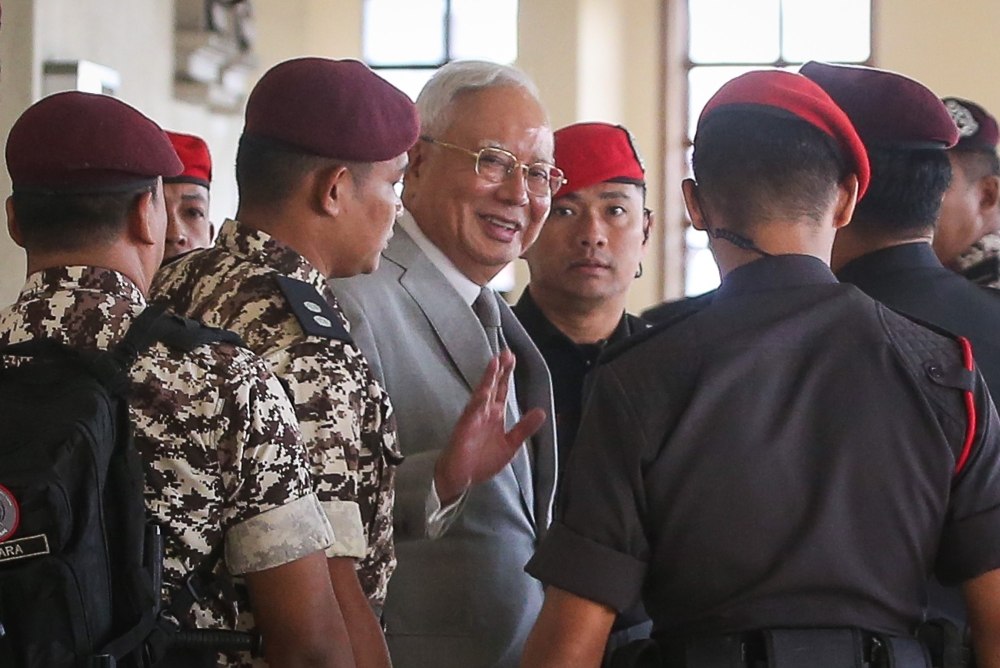
Datuk Seri Najib Razak, Malaysia's former prime minister, will undergo cardiac treatment at Serdang Hospital during the coming week, a development that marks another significant health-related event in the life of the controversial political figure. The medical intervention represents a necessary intervention for the 71-year-old former leader, who continues to navigate both health and legal challenges in his post-premiership years.
The procedure at the public tertiary hospital in the Klang Valley reflects Najib's choice to receive treatment within Malaysia's established healthcare system rather than seeking private or international medical care. Serdang Hospital, a major teaching institution under the Ministry of Health, maintains specialist cardiology departments equipped to handle complex cardiac procedures and aftercare protocols. The selection of this particular facility underscores the medical institution's reputation and capacity to manage cases of significant public and political interest.
The timing of the announcement carries particular weight given Najib's existing legal and personal circumstances. The former prime minister has remained in the public eye following his conviction in the 1Malaysia Development Berhad financial scandal, though he continues to pursue legal avenues and maintains political involvement through his position within the United Malays National Organisation. His health status has periodically drawn media attention, with previous medical concerns addressed through various treatment protocols over recent years.
For Malaysian observers, the news reflects broader questions about the healthcare trajectories of senior political figures and the institutional frameworks that serve them. Public expectations regarding transparency about leadership health remain contentious in Southeast Asia, particularly in Malaysia where political transitions and succession planning frequently occupy national discourse. The clinical intervention, while primarily a personal health matter, inevitably carries political dimensions given Najib's historical prominence and ongoing influence within the Malay-Muslim majority party.
The cardiac procedure scheduled for Serdang Hospital arrives amid continued domestic political maneuvering within UMNO and the broader coalition landscape. Najib's ability to maintain political relevance despite conviction and imprisonment reflects his enduring faction within the party structure, particularly among conservative and older party members. His participation in party affairs and media presence have remained relatively consistent, though health complications could potentially impact his level of political engagement in the months ahead.
Serdang Hospital's involvement in treating a former prime minister reflects Malaysia's public healthcare system's capacity to manage high-profile cases while maintaining institutional protocols. The facility regularly handles complex cardiovascular cases requiring specialist intervention, and its location within a major urban centre facilitates coordination with other medical facilities and specialist practitioners. The choice of a public institution rather than private alternatives carries symbolic weight regarding confidence in Malaysia's healthcare infrastructure.
Cardiovascular procedures in elderly populations require careful management, comprehensive pre-operative assessment, and substantial post-operative monitoring. For a public figure of Najib's profile, the medical team would coordinate with various specialists to ensure optimal outcomes while maintaining patient privacy protections. The procedure's exact nature remains undisclosed in public announcements, as is standard practice for medical confidentiality, though cardiac interventions for individuals in their seventies typically address atherosclerotic disease, arrhythmias, or valvular complications.
From a regional perspective, Najib's medical situation intersects with broader healthcare governance questions across Southeast Asia. Senior political figures increasingly face health challenges reflective of ageing leadership cohorts throughout the region. Malaysia's institutional handling of such cases potentially influences approaches adopted by neighbouring governments when managing health circumstances of prominent political personalities, particularly those navigating the intersection of continued public role and medical requirements.
The procedure's outcome and post-operative period will likely generate considerable media speculation given Najib's political position and the ongoing legal complexities surrounding his case. Recovery timelines for cardiac procedures vary considerably depending on intervention type and individual health factors, potentially influencing his capacity for sustained political engagement during rehabilitation. His continued involvement in UMNO matters and party strategic discussions may experience temporary disruption during the immediate post-procedure recovery phase.
Stakeholders across Malaysia's political spectrum will likely monitor developments following the Serdang Hospital procedure with interest regarding its implications for UMNO dynamics and Najib's political future. The procedural intervention represents a practical healthcare necessity, yet within Malaysia's charged political environment, even routine medical matters acquire layers of political significance. How Najib manages recovery and rehabilitation will contribute meaningfully to perceptions regarding his continued capacity for political influence and leadership within party structures.

