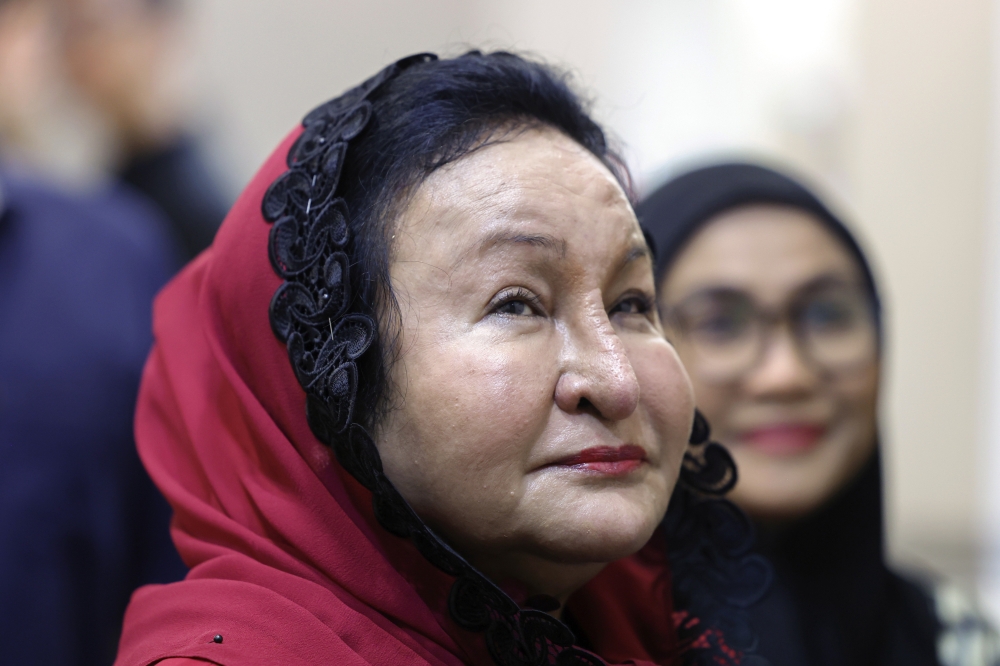
Former Prime Minister Datuk Seri Najib Razak is preparing for a scheduled medical intervention to address plaque accumulation in his cardiovascular system, according to confirmation from his wife Datin Seri Rosmah Mansor. The procedure, which targets the removal of arterial deposits restricting blood flow, represents the latest in a series of health management steps for the 71-year-old politician who has remained under intense public scrutiny since stepping down from office in 2018.
Rosmah's disclosure of her husband's medical status comes amid Najib's continued navigation of Malaysia's legal landscape, where he faces multiple cases related to alleged financial impropriety during his tenure as prime minister. The timing of such personal health announcements in Malaysia's political sphere often carries implications beyond the medical realm, as they affect public perception and the political narrative surrounding prominent figures.
Vascular procedures to remove plaque, medically termed atherosclerotic deposits, are relatively routine interventions performed when arterial blockages threaten adequate blood supply to vital organs. The specificity of Rosmah's statement—identifying plaque near a blood vessel rather than providing more detailed anatomical information—suggests a controlled disclosure strategy typical of public figures managing health information in the media age. Malaysian audiences, accustomed to detailed health updates about national leaders, often interpret such announcements through both medical and political lenses.
Najib's health management comes at a pivotal moment in Malaysian politics. Although he has been removed from executive power for nearly six years, his influence within the United Malays National Organisation remains significant, and his legal proceedings continue to attract national attention. Any extended medical recovery could affect his ability to participate in party activities or public engagements, though the proposed procedure is generally not considered a major intervention requiring prolonged rehabilitation.
The announcement reflects broader patterns in how Malaysian political families manage public health disclosures. Unlike Western democracies where such information might trigger formal health assessments or medical transparency requirements, Malaysia's approach typically relies on family statements and informal confirmations. This method allows significant discretion in what details are shared and when, creating occasional public curiosity about the extent of disclosed information.
Cardiovascular health challenges among Malaysian males in their seventh decade align with national health statistics showing rising rates of heart disease and stroke among this demographic. The prevalence of such conditions across society—and particularly among older political figures—has become an increasingly visible aspect of public discourse around aging leadership in Southeast Asia.
For Najib specifically, the procedure represents a continuation of managing personal health while his legal matters remain unresolved. Malaysian courts have been deliberating his cases through what observers describe as a methodical process, with multiple appeal levels still potentially available. His ability to participate fully in these proceedings depends partly on maintaining adequate health status, making such medical updates relevant to the broader judicial timeline.
Rosmah's role in publicising her husband's health status is noteworthy. As a former First Lady who has herself faced legal proceedings and remains a prominent public figure, her announcements carry particular weight in Malaysian discourse. Her willingness to provide such information suggests either a desire to maintain public sympathy or to demonstrate that family life continues despite legal challenges—a delicate balance many prominent political families attempt.
The procedure's timing in July aligns with Malaysia's monsoon season and parliamentary calendar, suggesting medical planning that accounts for Najib's existing commitments and seasonal factors. Malaysian readers familiar with healthcare infrastructure know that such procedures are readily available through the nation's combination of public and private medical systems, though the specific facility where Najib would receive treatment remains undisclosed.
Looking forward, the outcome of this medical intervention may influence Najib's public visibility and engagement over coming months. Extended recovery periods could affect his participation in party functions, legal proceedings, or media appearances—all elements closely monitored by Malaysian political observers and the general public. The intersection of health, law, and politics in this case illustrates how personal circumstances of prominent figures become intertwined with national governance narratives.
The announcement also reflects changing attitudes toward health disclosure among Malaysia's political elite. Previous generations of leaders often maintained complete privacy regarding medical matters, while contemporary figures like Najib navigate a more transparent media environment where significant health events become public knowledge. This evolution shapes how Malaysians perceive their leaders' fitness for influence and participation in public life, regardless of formal office-holding status.

