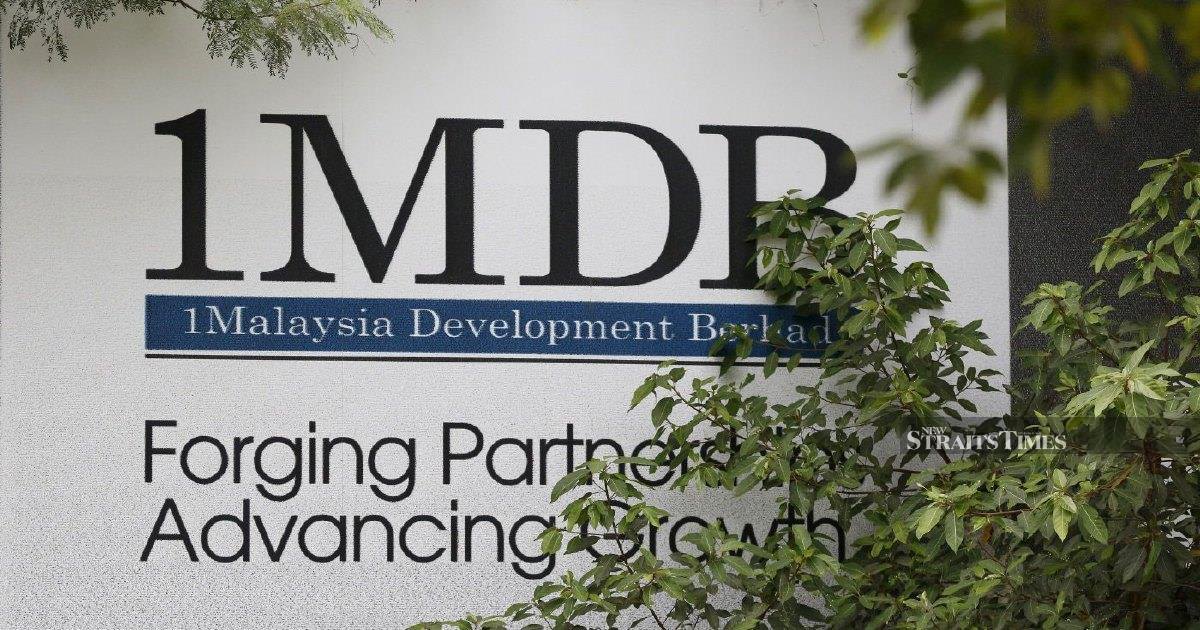
Datuk Seri Najib Tun Razak's legal team has mounted a sweeping challenge to the credibility of evidence presented by former 1Malaysia Development Berhad chief executive Datuk Shahrol Azral Ibrahim Halmi in the high-stakes civil litigation over the collapsed sovereign wealth fund. The former prime minister's counsel has lodged objections to roughly four-fifths of Shahrol Azral's 168-page witness statement, primarily on the basis that the testimony relies on hearsay rather than first-hand knowledge, a strategy that underscores the increasingly contentious nature of proceedings in Malaysia's most significant financial scandal.
The US$5.64 billion civil suit represents one of the most consequential legal battles to emerge from the 1MDB affair, which devastated Malaysia's international reputation and triggered investigations across multiple jurisdictions. Shahrol Azral, who steered the fund during critical periods of its operations, has provided detailed accounts of alleged improprieties within the organisation. His comprehensive statement forms a substantial component of the case against Najib, making the admissibility of his evidence a crucial battleground in the litigation.
Hearsay objections in civil proceedings challenge the reliability of statements made by witnesses about matters they did not directly observe or participate in. By questioning whether Shahrol Azral's account relies excessively on information he received from others rather than his own involvement in events, Najib's defence team seeks to diminish the evidentiary weight of his testimony. This legal tactic highlights fundamental disputes about what transpired within 1MDB's corridors of power and raises questions about who bears direct responsibility for the fund's apparent mismanagement and alleged embezzlement.
The scope of objections—covering approximately 80 per cent of the statement—suggests the defence is pursuing an aggressive strategy to undermine the prosecution's narrative. Such a sweeping challenge may signal that Najib's legal representatives believe numerous claims in Shahrol Azral's account rest on circumstantial evidence or information filtered through intermediaries rather than constituting his personal observations. The outcome of these objections will significantly influence what jury members or judges ultimately hear about 1MDB's internal operations and decision-making processes.
Shahrol Azral's position as chief executive places him in a uniquely privileged vantage point within the organisation, yet his departure from 1MDB and subsequent cooperation with authorities has made him a central figure in efforts to reconstruct what occurred. His willingness to provide extensive testimony potentially exposes him to scrutiny regarding his own role in the fund's activities, even as he assists in establishing alleged wrongdoing by others. The 168-page statement suggests he has offered comprehensive insights into the fund's trajectory, governance structures, and critical transactions.
The civil suit proceeding in Malaysia occurs against the backdrop of international legal action targeting individuals associated with 1MDB across multiple countries. American authorities have pursued criminal cases involving 1MDB-related corruption, and numerous executives and associates have faced charges in different jurisdictions. The Malaysian civil case against Najib specifically seeks to establish his liability for the enormous losses incurred by the sovereign wealth fund and to recover assets allegedly misappropriated through the scheme.
The admissibility battle reflects deeper questions about how courts should evaluate testimony when witnesses may lack complete independence or personal access to all facts they discuss. In complex financial fraud cases spanning multiple institutions and involving numerous actors, executives often testify about discussions with colleagues, board decisions, and events they learned about through official channels. Courts must determine which such accounts constitute reliable evidence and which cross the threshold into inadmissible speculation based on third-party information.
Najib's comprehensive objections suggest his defence intends to adopt a position that distinguishes sharply between what Shahrol Azral witnessed directly and what he merely heard about or assumed based on his position. This approach could prove effective if the court finds that critical portions of his statement depend on claims about others' intentions, private conversations with absent parties, or inferences rather than demonstrable facts within his personal knowledge. Conversely, the prosecution may argue that an executive's account of internal discussions and decisions represents precisely the type of testimony necessary to establish patterns of misconduct in institutional fraud cases.
The outcome carries implications for how Malaysian courts handle major financial crime litigation and the evidentiary standards applied to witness testimony in complex disputes involving alleged corruption. If the court sustains most or all of the hearsay objections, it could substantially limit the prosecution's ability to establish context and systemic failures at 1MDB. Alternatively, if judges reject most objections, they signal their willingness to receive comprehensive insider accounts of institutional misconduct, potentially strengthening the case against Najib.
For Malaysian readers and the broader Southeast Asian financial community, the ruling will demonstrate how local courts navigate the challenging intersection of fraud prosecution and evidentiary rules designed to protect defendants from unreliable testimony. The civil case represents an opportunity for Malaysia's judiciary to demonstrate its capacity to handle sophisticated financial litigation and to establish clear precedents for how similar cases should be managed. The resolution of these preliminary procedural battles will substantially shape the trajectory of the litigation and may influence future corporate governance scandals across the region.

