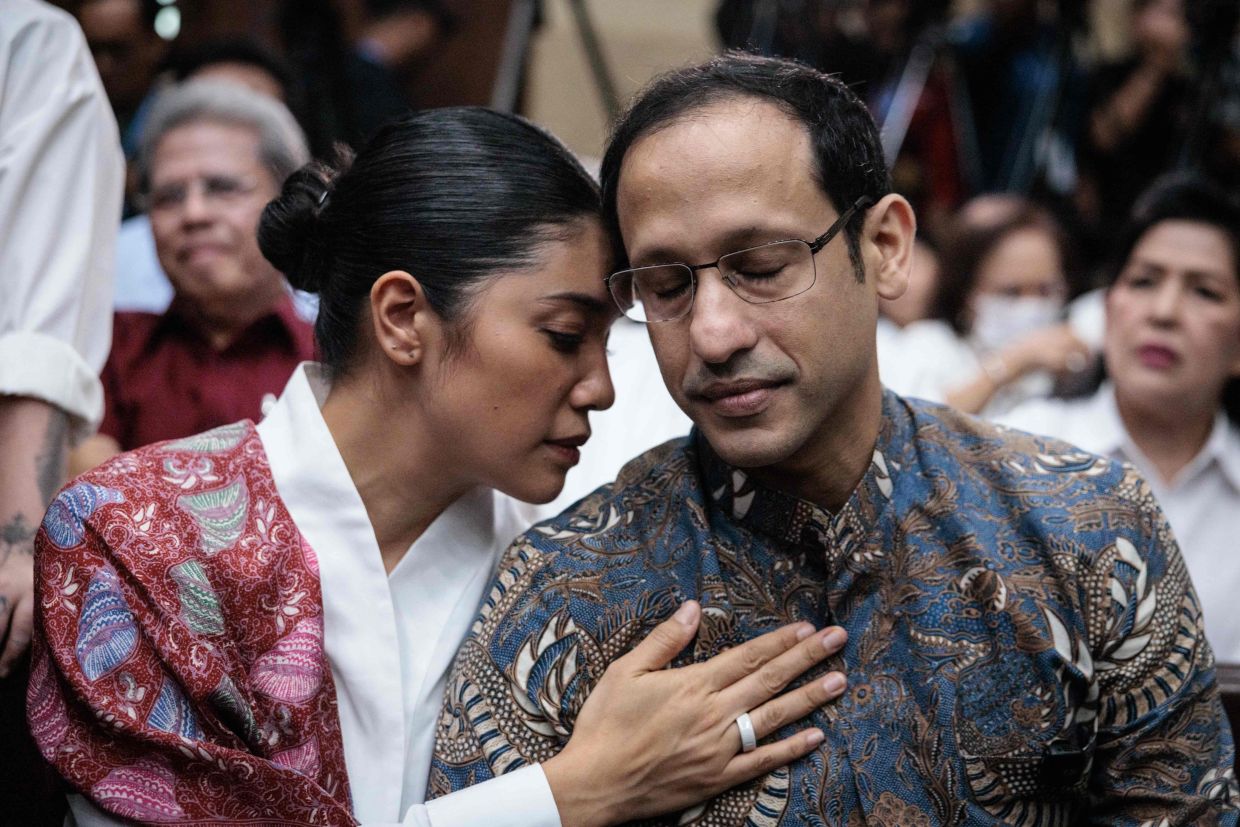
The legal battle surrounding Indonesia's Chromebook laptop procurement scandal has entered a new phase, with both the defendant and prosecutors challenging a corruption court's June verdict that found former education minister Nadiem Makarim guilty of abusing his authority. The dual appeals signal a deeply contested case that will likely occupy Indonesian courts for months to come and raise fundamental questions about accountability, political motivation, and the willingness of talented professionals to serve in government.
The Jakarta Corruption Court sentenced Nadiem, a Gojek co-founder who served as education minister under former president Joko Widodo from 2019 onwards, to 10 years imprisonment and ordered him to pay Rp 1 billion in fines plus Rp 809 billion in restitution. Beyond these penalties, judges determined that the scheme involving laptop purchases for remote and disadvantaged schools between 2020 and 2022 resulted in approximately Rp 1.57 trillion in state losses. Nadiem has maintained throughout the proceedings that he cannot afford the restitution amount, complicating enforcement of any final judgment against him.
The prosecution had sought harsher penalties, requesting an 18-year sentence and demanding Rp 5.6 trillion in restitution that would have included compensation for alleged personal gains Nadiem received through transactions involving PT Aplikasi Karya Anak Bangsa, Gojek's parent company. The judges' decision to impose lighter terms than prosecutors sought suggests some judicial skepticism about the strength of certain allegations, yet the conviction itself remains a significant legal setback for the former minister. This gap between prosecution demands and judicial outcome provides both sides ammunition for their respective appeals.
Nadiem's legal team, led by attorney Ari Yusuf Amir, has submitted an appeal to the Jakarta High Court arguing that the trial judges improperly ignored critical evidence and established a troubling precedent that could discourage qualified private sector leaders from accepting public service positions. The legal strategy reflects a broader concern animating Nadiem's defence: that holding executives to extraordinarily stringent standards for decisions made in government service might chill the pipeline of talented professionals willing to transition into politics and administration. Beyond the appeal itself, Nadiem's lawyers plan to lodge a complaint with the Judicial Commission alleging that judges showed bias and failed to properly consider testimony presented during trial.
The Attorney General's Office announcement came through spokesperson Anang Supriatna, who contended that the judges failed to adequately address multiple issues raised during prosecution. This unusual situation—where prosecutors appeal a conviction that they themselves obtained—stems from their belief that the penalty imposed fell short of what the evidence warranted. Officials have indicated they are also exploring whether to expand charges to include money laundering violations and corporate liability, suggesting the investigation remains incomplete and may grow considerably.
A particularly intriguing element involves the unexplained growth in Nadiem's reported wealth to Rp 4.87 trillion during the trial period. The court flagged this dramatic increase as warranting separate investigation under Indonesia's anti-money laundering legislation, though Nadiem has attributed the spike to valuation gains in his holdings of PT Goto Gojek Tokopedia following the company's 2022 public offering. Recent financial disclosures showing a decline to Rp 600 billion in 2024 complicate the narrative, yet prosecutors appear unconvinced by his explanations and view the wealth fluctuations as potentially indicative of hidden financial flows related to the procurement scheme.
Public reaction to the conviction has divided sharply along lines reflecting broader concerns about judicial independence and prosecutorial motivation in Indonesia. Academics, civil society organizations, and prominent figures including former Constitutional Court chief justice Mahfud MD have suggested the prosecution may have been politically motivated, warning that the case could discourage capable young Indonesians from entering public administration. Mahfud specifically questioned the judges' reasoning on causality and criminal intent, finding it unusual that Nadiem bore responsibility for state losses at a company he co-founded, yet he acknowledged that legal remedies like appeals represent the appropriate mechanism for addressing potential judicial errors.
Counterarguments have emerged from legal scholars such as Al-Azhar University Indonesia's Suparji Ahmad, who contends that evidence of both criminal intent and a clear causal link between Nadiem's alleged authority abuse and the documented state losses was substantial and properly considered by the trial court. This disagreement among respected legal voices illustrates how the case touches on genuine jurisprudential questions about standards of proof, executive responsibility, and the application of corruption statutes to complex procurement decisions made within government.
The implications for Southeast Asia extend beyond Indonesia's borders. As the region increasingly seeks to modernize government services and bridge the digital divide in education, the Nadiem case sends a cautionary message about the legal risks faced by private sector executives who transition into public roles. If courts establish particularly demanding standards of accountability for such individuals, the talent pool available for critical government positions may narrow significantly. Malaysia and other ASEAN countries watching Indonesia's legal proceedings may see lessons relevant to their own governance challenges, particularly regarding how to attract qualified private sector expertise while maintaining rigorous oversight of public procurement decisions.
Government authorities have sought to maintain distance from the controversy. Coordinating Minister Yusril Ihza Mahendera stated that the administration respects judicial processes and flatly denied speculation that any presidential pardon was under consideration. This official neutrality reflects sensitivity about the appearance of political interference in judicial proceedings, yet it also leaves Nadiem without obvious executive remedies and forces the resolution through the appellate system. The appeals process at the Jakarta High Court will likely require many months of review before a final determination emerges, prolonging the uncertainty surrounding both Nadiem's personal fate and the broader implications of how Indonesia's legal system treats high-profile corruption cases.

