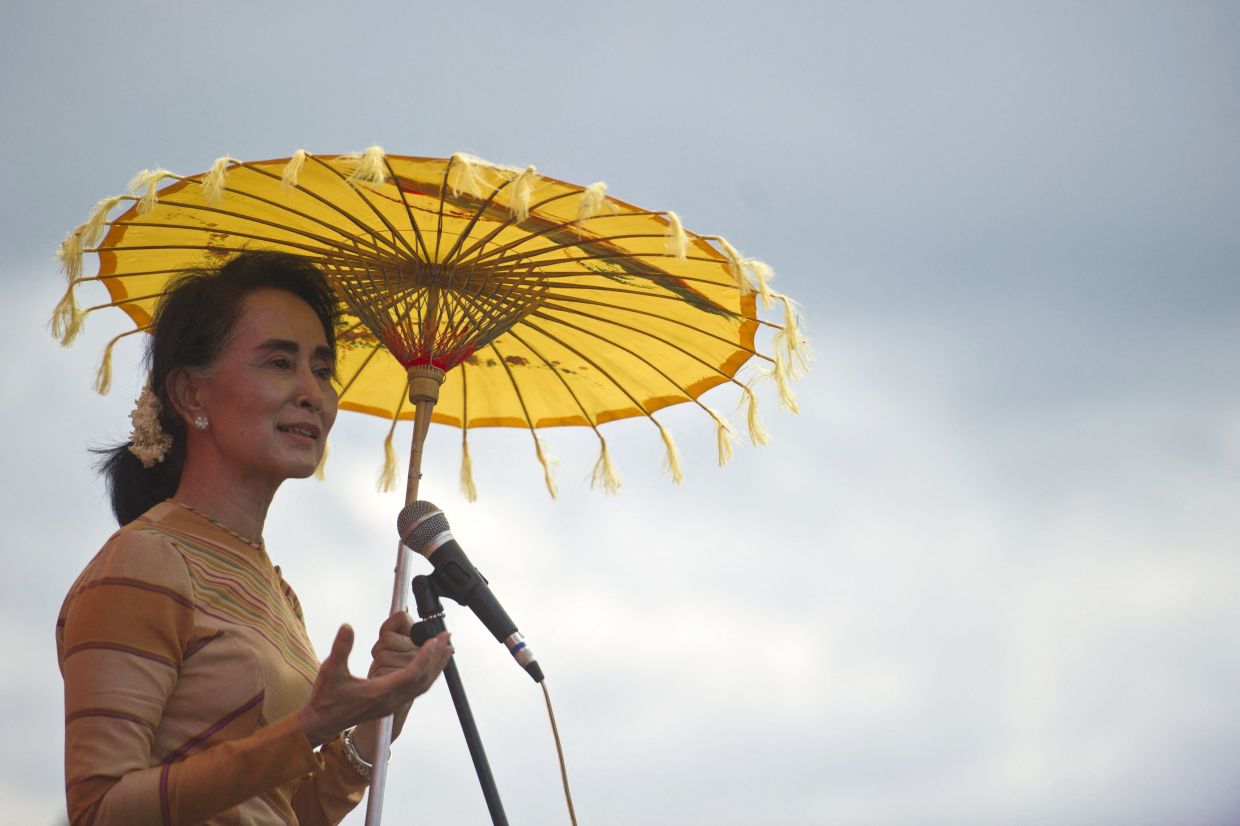
Myanmar's military regime has once again refused Asean's request to meet Aung San Suu Kyi, the deposed democracy leader who recently turned 81 while imprisoned since the 2021 coup. The latest denial came at the end of June when regime spokesperson Khaing Khaing Soe stated that Suu Kyi, as a convicted prisoner serving multiple sentences, was not permitted to receive international visitors. This refusal marks the second occasion that Asean chair the Philippines' Foreign Secretary Maria Theresa Lazaro has been prevented from meeting the ousted leader, following an unsuccessful attempt during a January visit to the capital Naypyitaw.
The pattern of rejections reveals a troubling dynamic within Asean's relationship with Myanmar. Analysts interpret the junta's intransigence as a clear signal that Myanmar's leadership under Min Aung Hlaing believes the regional bloc wields insufficient influence to compel compliance. Hunter Marston of the Lowy Institute points to an asymmetry of dependence, arguing that the regime calculates Myanmar possesses greater strategic value to Asean than vice versa. This perception fundamentally undermines the group's ability to pressure the junta through diplomatic channels, as the regime shows little concern about consequences from regional reproach.
The selectivity of whom the Myanmar military allows to visit Suu Kyi speaks volumes about its diplomatic priorities. Only former Thai Foreign Minister Don Pramudwinai in July 2023 and Chinese Foreign Minister Wang Yi in April 2024 have secured such access, creating a stark contrast with Asean's repeated denials. These exceptions reveal the regime's genuine trust lies primarily with Beijing rather than its regional neighbours, an uncomfortable reality for an organization attempting to project unified influence over a member state in crisis. The junta appears comfortable signalling to Asean that other powers, particularly China, hold greater sway over its decisions.
Retaining control over Suu Kyi's accessibility has become a critical diplomatic tool for Min Aung Hlaing's government. By restricting international contact with Myanmar's most prominent political prisoner, the junta maintains a card it can theoretically play in future negotiations whilst simultaneously demonstrating its sovereignty over internal affairs. Amara Thiha of the US-based Stimson Centre characterizes this approach as a deliberate deployment of diplomatic leverage, suggesting the regime recognizes Suu Kyi's international significance and instrumentalizes her confinement accordingly. Her incarceration, initially spanning 33 years before reductions brought the sentence to approximately 18 years, has become intertwined with broader questions about the regime's legitimacy and control.
Suu Kyi herself has largely vanished from public view since reportedly being placed under house arrest in April. For five years, she has been kept largely incommunicado, and her son Kim Aris has been prevented from any contact whatsoever. The regime insists she remains in good health whilst simultaneously refusing independent verification or family visits, a contradiction that raises troubling questions about her actual condition. Aris has expressed disappointment at Asean's inability to secure access whilst remaining unsurprised by the regime's obstinacy, viewing the isolation as part of a broader campaign to prevent international scrutiny of the junta's rule.
The Myanmar military's defiance must be understood within the context of Asean's Five-Point Consensus, the peace framework established after the 2021 coup intended to guide Myanmar's transition. The plan explicitly calls for the Asean special envoy to meet with all relevant parties, a provision rendered meaningless by the junta's refusal to allow contact with Suu Kyi, the figurehead of Myanmar's pre-coup democratic movement. Min Aung Hlaing has largely ignored these conditions, focusing instead on consolidating power through a widely dismissed election and assuming the presidency in April whilst maintaining ultimate authority. The regime's disregard for the consensus demonstrates its assessment that Asean lacks enforcement mechanisms beyond rhetorical appeals.
The human cost of this impasse extends far beyond Suu Kyi's personal circumstances. Since the coup, at least 100,000 people have died according to independent conflict monitors, with the violence continuing unabated despite Asean's diplomatic efforts. The junta's rejection of the Five-Point Consensus, particularly regarding humanitarian access and an end to violence, has perpetuated a humanitarian catastrophe affecting millions of Myanmar citizens. Asean's frustration is palpable yet seemingly ineffectual, as repeated calls for implementation have yielded no meaningful change in regime behaviour or policies.
FromMinyang's perspective, the organization applies inconsistent standards that justify non-compliance. The regime questions why Myanmar faces unique pressure regarding its internal political settlement when Asean rarely intervenes in other member disputes, such as the longstanding Thailand-Cambodia territorial disagreement. This argument, whilst strategically useful for the junta, obscures the fundamental difference: Myanmar's coup represented a reversal of democratic progress and a deliberate rejection of the consensus framework to which the regime nominally committed. The junta's framing of Asean oversight as illegitimate interference serves to legitimize its isolation strategy domestically whilst internationally positioning the military as defending national sovereignty.
Independent Myanmar historian Phyo Win Latt offers crucial insight into the regime's calculus, explaining that blocking Asean access to Suu Kyi effectively denies the organization any supervisory capacity over Myanmar's political settlement. The junta desires Asean recognition and the diplomatic legitimacy such acknowledgment confers, but it absolutely rejects the accompanying scrutiny and accountability such engagement would entail. This fundamental contradiction reveals why diplomatic breakthroughs remain unlikely without external pressure or internal change. The regime will accept regional validation only on terms ensuring no meaningful oversight of its governance or control over political prisoners.
For Southeast Asia more broadly, Myanmar's treatment of Asean represents a challenge to the organization's fundamental operating principles. Asean's non-interference doctrine, traditionally conceived as mutual respect for sovereignty, becomes meaningless when one member systematically violates the consensual framework established for crisis management. The Philippines' inability as chair to facilitate dialogue or negotiate access underscores the organization's structural weakness when confronted with determined defiance. Regional powers like Thailand and Indonesia, which might theoretically wield greater bilateral leverage, have largely deferred to collective Asean processes that have repeatedly proven inadequate.
The continued detention of Suu Kyi at age 81, now largely isolated from even her own family, stands as a symbol of the Myanmar junta's resolve to resist external pressure and consolidate authoritarian control. Her inaccessibility to Asean represents more than merely a humanitarian concern or family tragedy; it constitutes a deliberate rejection of regional authority and a statement that Myanmar's future will be determined exclusively by military preferences. Until Asean can demonstrate consequences for such defiance, the regime has calculated it can safely ignore the organization's appeals, treating the regional bloc as diplomatically irrelevant whilst maintaining closer ties with Beijing. This dynamic, unless fundamentally altered through sustained multilateral pressure or internal political change, suggests Myanmar's isolation from meaningful Asean engagement will persist indefinitely.

