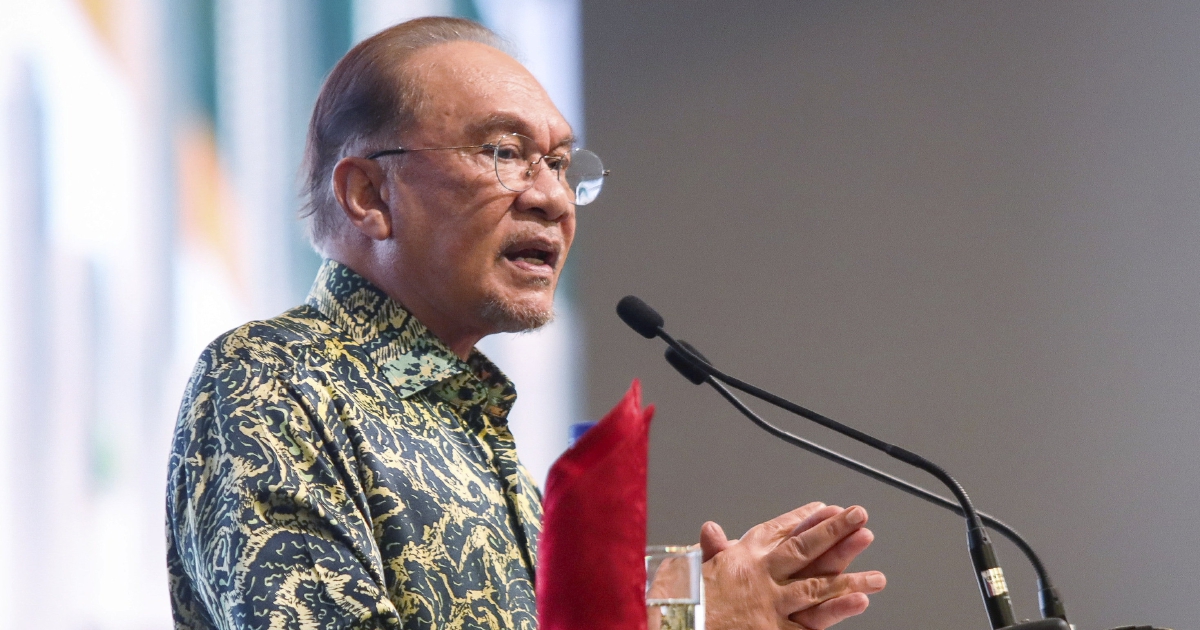
Myanmar has signalled its willingness to repatriate 5,000 Rohingya refugees currently sheltering in Malaysia, representing a significant diplomatic development in addressing one of Southeast Asia's most pressing humanitarian challenges. Prime Minister Datuk Seri Anwar Ibrahim disclosed the arrangement following high-level talks between the two neighbouring nations, offering a glimmer of hope for resolving the protracted situation that has strained resources across the region for nearly a decade.
The tentative agreement marks a potential turning point in efforts to manage the Rohingya crisis, which has left hundreds of thousands displaced since communal violence erupted in Myanmar's Rakhine State in 2017. Malaysia, already hosting approximately 180,000 registered Rohingya alongside an estimated 500,000 undocumented refugees, has borne considerable burden in accommodating this vulnerable population amid limited international support and growing domestic concerns over infrastructure and security.
The initial cohort of 5,000 represents merely the beginning of what officials envision as a phased return programme. Successive batches would follow subject to Myanmar's capacity to receive and resettle displaced persons, though the modalities for determining readiness and ensuring safe, dignified repatriation remain subject to clarification. The announcement underscores Malaysia's persistent advocacy for burden-sharing on this issue, as the country continues balancing humanitarian obligations with practical constraints on social services and employment.
Malaysia's strategic position as a transit point and temporary refuge for Rohingya has been complicated by the absence of a comprehensive regional framework. Unlike neighbouring Bangladesh, which hosts over 900,000 Rohingya in sprawling camps in Cox's Bazar, Malaysia has no formal agreement guaranteeing third-country resettlement or international financial assistance. This has placed disproportionate strain on Malaysian authorities managing registration, healthcare, education, and livelihood provision for a population lacking legal status.
The negotiations reflect changing diplomatic dynamics between Kuala Lumpur and Naypyidaw, despite Myanmar's military junta facing international isolation over its conduct in Rakhine State and subsequent suppression of pro-democracy movements following the 2021 coup. Malaysia has maintained pragmatic engagement with Myanmar, recognizing that regional stability and humanitarian progress require dialogue rather than exclusion, a position distinct from Western nations imposing sanctions and travel bans on military leadership.
Returning Rohingya to Myanmar carries inherent risks and complexities. The fundamental triggers for displacement—communal tensions, military repression, and widespread discrimination—have not been adequately addressed. International observers have documented continued restrictions on Rohingya movement, limitations on citizenship rights, and allegations of ongoing persecution. Any repatriation programme must therefore incorporate robust safeguards, verification mechanisms, and guarantees of non-persecution to prevent returnees from encountering the conditions that forced their original flight.
The agreement's success depends critically on Myanmar's demonstration of genuine commitment to creating conditions conducive to safe return. This encompasses legal recognition, restoration of property rights where feasible, accountability for past abuses, and assurances that returnees will not face renewed discrimination. The international community, particularly the United Nations and ASEAN, must maintain oversight to ensure the process meets humanitarian standards and respects the principle of voluntary return with full informed consent.
For Malaysia, progress on repatriation eases mounting pressure on social infrastructure and public sentiment, which has grown increasingly restive regarding the refugee presence. Successful implementation could establish a template for burden-sharing that encourages additional countries to accept smaller contingents, distributing responsibility more equitably across the region rather than concentrating responsibility on frontline states. This approach aligns with Malaysia's broader advocacy for collective action through ASEAN mechanisms.
The announcement also carries implications for Bangladesh, which has shouldered the largest refugee burden. A successful repatriation from Malaysia might provide momentum for tripartite discussions involving Myanmar, Bangladesh, and international partners to facilitate larger-scale returns to Rakhine State. However, premature or poorly managed repatriations risk destabilizing the situation across the entire region, potentially triggering secondary displacement and renewed refugee flows.
Asian nations have demonstrated limited enthusiasm for accepting permanent Rohingya settlements, reflecting economic constraints, security concerns, and popular sentiment. Malaysia's initiative therefore represents pragmatic recognition that some movement toward return—however gradual—may prove necessary absent sustained international commitment to comprehensive resettlement beyond Asia. The 5,000-person figure remains modest relative to the total population, underscoring the incremental nature of current solutions.
Moving forward, implementation details will prove crucial. How returnees are selected, transported, documented, and reintegrated will determine whether this agreement establishes durable precedent or disappoints expectations. Regional governments, humanitarian organizations, and the Rohingya themselves must collaborate transparently to ensure the process upholds human dignity and protects fundamental rights throughout every phase of the repatriation journey.

