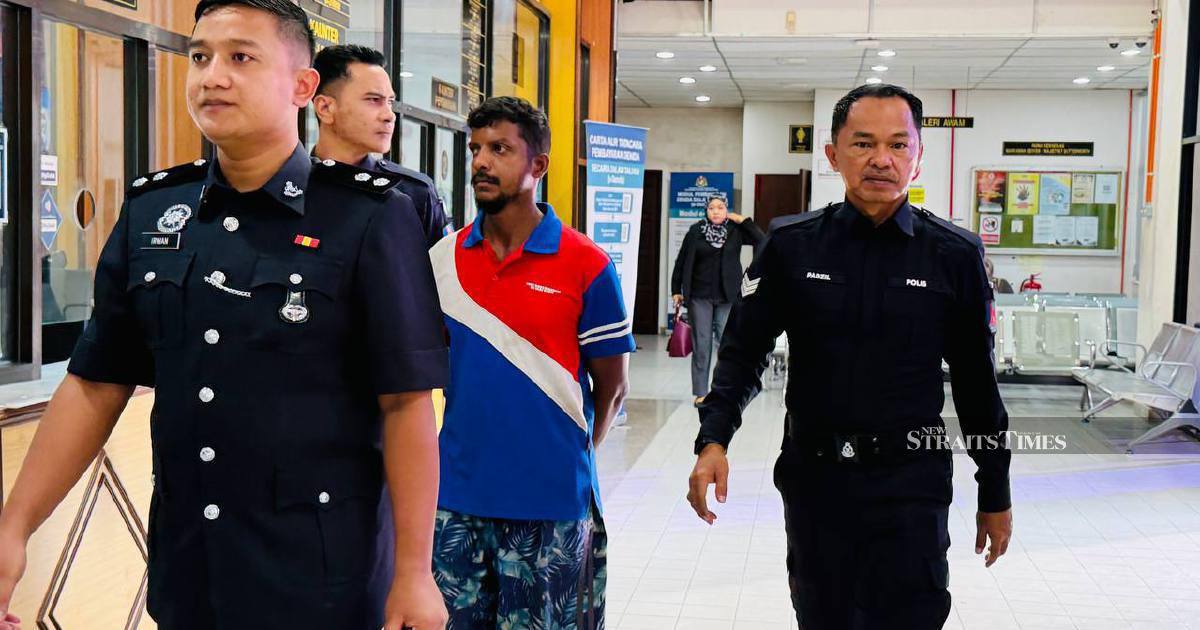
A Myanmar national faced charges in the Butterworth Sessions Court after allegedly inflicting serious bodily harm on a fellow countryman in an incident that occurred last week. The accused appeared before the court to answer to the grievous hurt allegation, though the preliminary stages of the case have been hampered by documentation complications.
The court's decision to withhold bail pending the resolution of identification document issues underscores a recurring challenge in Malaysian criminal proceedings involving foreign nationals. When migrants and transient workers appear in court without complete or verified travel and identity credentials, judicial officers often face procedural constraints that delay bail determinations. This administrative bottleneck, while intended to ensure proper record-keeping and verification, can extend detention periods even during the early phases of criminal proceedings.
The alleged assault occurred within the broader context of Myanmar nationals in Malaysia, a population numbering in the hundreds of thousands. Many work in construction, domestic service, manufacturing, and agriculture across the peninsula and Sabah-Sarawak, while others remain undocumented or in transit between countries. When interpersonal violence erupts within these communities, it frequently involves individuals with limited formal registration or whose papers may be incomplete or pending renewal.
Grievous hurt charges carry significant legal weight under Malaysian law, typically encompassing injuries that inflict severe harm, require extended medical treatment, or result in permanent disfigurement or loss of bodily function. Such allegations are distinct from simple assault and command more serious sentencing frameworks. The prosecution must establish that the accused intentionally or recklessly caused such harm, while the defence may argue self-defence, accident, or provocation depending on the circumstances surrounding the incident.
The denial of bail pending identification verification reflects standard judicial practice when courts cannot immediately confirm an accused's identity, nationality, or background through existing records. Authorities may need to contact Myanmar's diplomatic mission or conduct additional investigations to validate documents or establish whether the individual has prior criminal history. In cases involving undocumented or partially documented foreign nationals, this verification can span several days or weeks, effectively remanding the accused in custody despite bail eligibility.
Bailability under Malaysian criminal procedure is determined by the nature of the offence, the strength of the prosecution's case, the accused's ties to the community, and risk of absconding. While grievous hurt is generally a bailable offence, immigration-related complications or documentation deficiencies can lead courts to impose conditions such as bail pending verification. Such conditions protect the administration of justice by ensuring the accused's identity can be confirmed before release.
The Butterworth court's decision also reflects practical concerns about witness and victim availability in cases involving migrant communities. If the victim or other critical witnesses are themselves foreign nationals or lack stable addresses, courts may hesitate to grant unrestricted bail out of concern that the accused might disappear or attempt to contact witnesses before trial. These protective considerations operate alongside document verification requirements.
For Malaysian readers and employers of Myanmar nationals, such cases highlight the importance of maintaining accurate employment records and ensuring that migrant workers hold valid travel documents. Disputes or conflicts that escalate to violence can result in lengthy legal entanglements for all parties involved, particularly when documentation is incomplete. Both employers and workers benefit from clear contractual relationships and accessible avenues for dispute resolution that may prevent such incidents.
The case also demonstrates how immigration administration intersects with criminal justice in Malaysia. Police and court officials must balance the enforcement of criminal law with administrative requirements governing foreign nationals. While verification is necessary, the process can create unintended consequences for due process, particularly when bail determinations are postponed indefinitely awaiting documentation that may be difficult to obtain from the accused's country of origin.
The Butterworth Sessions Court will likely set a subsequent hearing date once identification documents have been verified or proceedings can advance without final documentation. At that juncture, bail eligibility will be reconsidered with complete information, and the court can proceed with preliminary examination or committal proceedings. The ultimate outcome will depend on whether the prosecution can establish a prima facie case of grievous hurt and the defence's response to allegations.
This incident reflects broader patterns in Malaysian criminal courts involving Myanmar nationals and other migrant populations. While most migration to Malaysia is lawful and productive, occasional criminal incidents involving foreign nationals present particular procedural complications. Courts, prosecutors, and defence counsel must navigate these cases with attention both to substantive justice and to the administrative realities of confirming identity and managing persons without immediate ties to Malaysian jurisdiction.