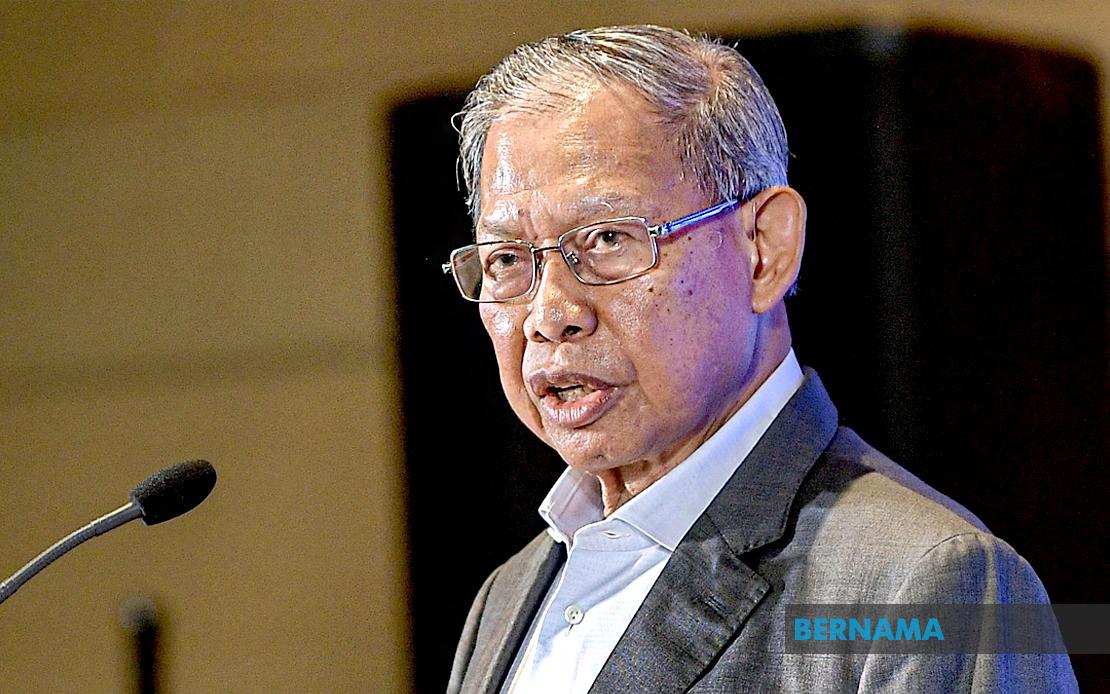
At 76 years old, Datuk Seri Mustapa Mohamed has drawn a firm line under his electoral ambitions, announcing he will not seek a seat in the 16th General Election. The former Jeli Member of Parliament made the declaration during a Welcome Home celebration held in Pasir Mas, reaffirming his commitment to stepping aside so that a new generation of political leaders can assume the mantle of responsibility that he has carried throughout his long public career.
Mustapa's decision reflects broader discussions within Malaysia's political establishment about generational transitions and leadership succession. At an age when many of his contemporaries have already withdrawn from active politics, the veteran politician is explicitly acknowledging the limits of his physical capacity while simultaneously advocating for institutional change that prioritises younger talent. His comments carry particular weight given his seniority within UMNO and his previous ministerial credentials, signalling to other veteran politicians that stepping aside is both honourable and necessary for the party's future development.
The former Minister of International Trade and Industry framed his withdrawal not as a retreat but as a strategic repositioning. He acknowledged that his body no longer possesses the stamina required for rigorous campaigning and parliamentary work, making it impractical for him to contest elections. Rather than clinging to power or resisting generational change, Mustapa explicitly stated that it would be fundamentally unfair for UMNO to deny younger members the opportunities and platforms they deserve. This framing shifts the narrative from personal decline to party interest, suggesting that allowing new leaders space is a moral obligation rather than merely a personal choice.
Mustapa's recent political journey underscores the complexities of Malaysian politics in the current era. He departed UMNO in September 2018, joining Bersatu during a period of significant party realignment. After spending approximately five years outside his original party, he returned to UMNO's fold in June of this year, completing a personal political arc that mirrors broader patterns of party switching and reformation that have characterised Malaysian politics since 2018. His homecoming was celebrated with formal recognition, suggesting that UMNO welcomed his return and valued his experience and standing within the party machinery.
Despite his withdrawal from electoral competition, Mustapa indicated he remains committed to UMNO's political fortunes through alternative channels. He plans to serve as a strategic advisor and mentor to younger party members, drawing on decades of experience in trade negotiations, policy formulation, and party management. This advisory role represents a transition from front-line politics to behind-the-scenes influence, a common trajectory for senior politicians seeking to maintain relevance and impact while respecting physical limitations and generational principles.
Academically, Mustapa has identified higher education institutions as a platform for continued contribution to Malaysian society. He intends to share his professional experience and political insights with university students across both public and private institutions, positioning knowledge transfer as an important dimension of his post-electoral career. This educational focus suggests a recognition that mentoring the next generation through formal learning environments complements his role within the party structure, creating multiple pathways for influence and contribution.
The broader implications of Mustapa's announcement extend beyond UMNO's internal dynamics. Malaysia's political establishment has faced recurring criticism about gerontocratic tendencies, with senior politicians maintaining positions of authority and influence well into their seventies and eighties. Younger politicians and civil society advocates have repeatedly called for accelerated succession planning and enhanced opportunities for mid-career professionals to assume leadership roles. When figures of Mustapa's stature voluntarily cede ground to younger colleagues, it creates political and institutional space that might otherwise remain occupied, potentially unlocking talent and fresh perspectives that could revitalise party structures and parliamentary representation.
For UMNO specifically, managing the transition from long-serving veterans to a new generation presents both opportunity and risk. The party has experienced significant electoral setbacks and internal divisions in recent years, with younger members sometimes frustrated by what they perceive as outdated approaches to campaigning, policy formulation, and constituent engagement. Leaders like Mustapa stepping aside can signal that the party leadership recognises the need for renewal and is prepared to facilitate that transformation, potentially strengthening party cohesion and voter confidence in UMNO's future direction.
Mustapa's comments also resonate with broader Malaysian discussions about leadership quality and national priorities. As he noted, the country faces significant challenges requiring sustained effort and excellence across political and administrative sectors. The implication is that generational transitions, while sometimes uncomfortable, serve Malaysia's national interest by ensuring that leadership positions are occupied by individuals with sufficient physical capacity and contemporary perspectives to address complex governance challenges. This argument transcends partisan politics, speaking instead to fundamental questions about how nations refresh their leadership and maintain competitive advantage across economic, diplomatic, and security domains.
The political context surrounding Mustapa's announcement includes ongoing questions about UMNO's electoral prospects and internal renewal strategies. The party has sought to rebuild its support base following the 2018 general election defeat and subsequent political realignments. Facilitating opportunities for younger leaders can be part of that broader renewal strategy, potentially attracting younger voters and activists who might otherwise view UMNO as a custodian of outdated politics. Whether the party translates Mustapa's leadership example into systematic generational advancement across the board remains an open question, but his public stance establishes a principled framework for such decisions.
Looking forward, Mustapa's withdrawal from electoral competition may influence how other senior Malaysian politicians approach their own career decisions. If respected figures voluntarily step aside and demonstrate that substantial influence and contribution remain possible through advisory and mentoring roles, this could catalyse a broader shift toward more fluid transitions of power. Conversely, if senior politicians continue to contest elections despite advancing age, Mustapa's example might be dismissed as exceptional rather than exemplary. The extent to which his decision influences broader patterns of political behaviour could ultimately shape Malaysian politics in ways that extend well beyond the upcoming general election.

