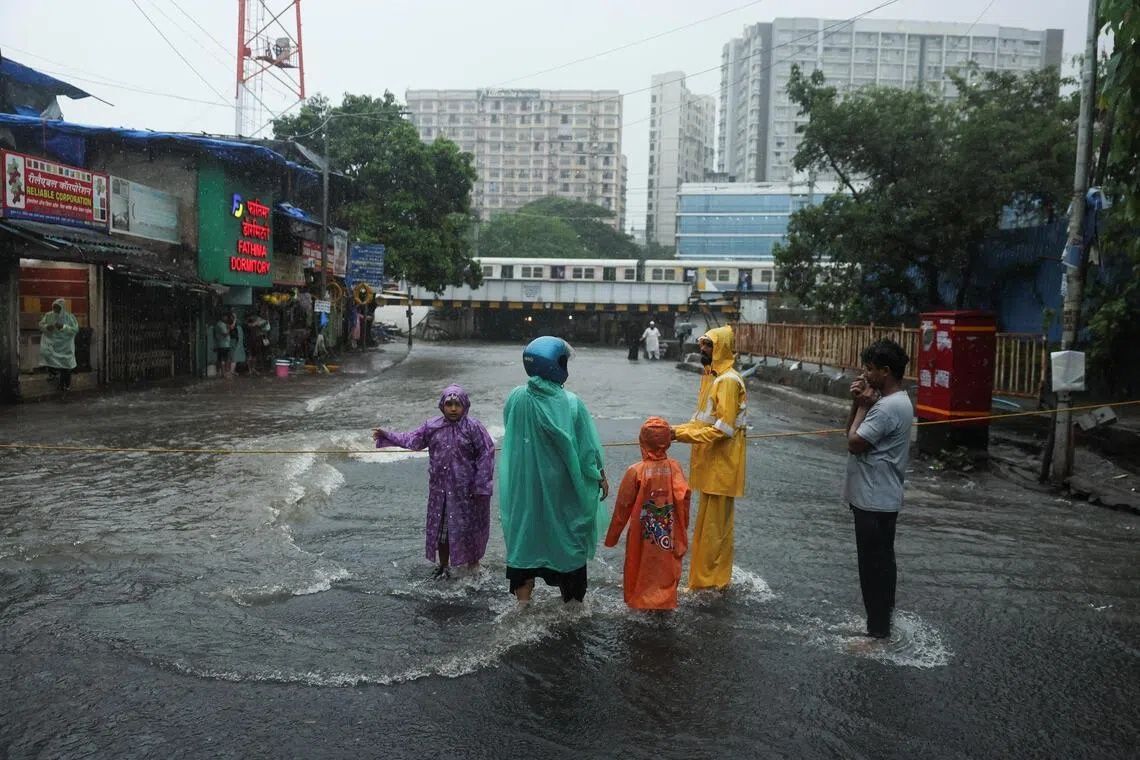
Mumbai is reeling from a devastating confluence of natural disaster and administrative failure as the southwest monsoon intensifies across the financial capital of India. The relentless rainfall has claimed two lives in separate incidents, paralysed transportation networks and ignited fierce political scrutiny over the preparedness of municipal authorities. With the India Meteorological Department maintaining an orange alert for July 3 and forecasters predicting the deluge will persist for at least another 24 hours, city administrators face mounting pressure to explain how preventable deaths occurred amid infrastructure lapses that residents say repeat year after year.
The first tragedy unfolded in Chembur on June 30 when powerful winds accompanying heavy rain uprooted a large tree that crashed through a school bus ferrying students from Universal High School and Tilak Nagar School. Vihan Shrivastav, an 11-year-old boy, was among those trapped in the crumpled vehicle, requiring emergency responders to deploy specialised cutting equipment to free the children. Despite immediate hospitalisation at Zen Hospital and Jain Hospital, Shrivastav succumbed to injuries sustained in the incident, shocking his family and the broader community. The death of a schoolchild has proven particularly resonant, with local legislators emphasising that the boy was an only child, adding tragic weight to questions about governance failures.
State minister Ashish Shelar acknowledged the incident as tragic while pledging that both the Maharashtra government and the Brihanmumbai Municipal Corporation would extend full support to the bereaved family. His statement, however, drew sharp criticism from elected representatives who argue that expressing sympathy must be accompanied by substantive accountability measures. MLA Rohit Pawar, after meeting with the victim's parents, was blunt in his assessment: merely disciplining junior officials would be insufficient. He called for senior administrators to face consequences, arguing that systemic negligence rather than isolated lapses was responsible for the tragedy. Pawar specifically questioned whether pre-monsoon safety inspections of roads, drainage systems and civic infrastructure were being conducted rigorously, suggesting that recurrent incidents point to deeper problems of administrative negligence.
The second fatality occurred just two days later in Sakinaka, where 60-year-old Aslam Isak Shaikh drowned after falling into an open manhole on July 2. According to civic records, drainage maintenance work had required removal of the manhole cover, yet adequate barricading had not been installed to warn pedestrians of the hazard. Shaikh, reportedly distracted by a mobile phone call, was swept into the opening by the force of fast-moving rainwater and disappeared. Emergency search operations lasting approximately three hours were required to recover his body, underscoring the danger posed by a simple lapse in basic safety procedures. The incident crystallised broader frustrations about municipal oversight and forced a reckoning with questions that plague Indian cities during monsoon season.
MLA Vijay Wadettiwar responded with particular vehemence, demanding criminal charges against officials responsible for the inadequate safety measures. He highlighted the elementary nature of the required precaution—simply ensuring the manhole remained covered or properly barricaded during rainfall—making the failure to implement such measures seem inexplicable. His call for a formal first information report represents a significant escalation, suggesting that some legislators believe the deaths constitute criminal negligence rather than administrative oversights deserving only departmental action. The political pressure forced Mumbai Mayor Ritu Tawde to characterise the manhole incident as an administrative error and announce compensation of 10 lakh rupees for Shaikh's family, though many observers questioned whether financial redress could address systemic governance failures.
The disruption extending across Mumbai's transport infrastructure compounds the human tragedy. Beyond the two deaths, waterlogging has paralysed movement in multiple neighbourhoods, with areas including Dadra East and Sion Gandhi Market experiencing severe inundation. A truck overturned near the Kharghar Toll Plaza on the crucial Sion-Panvel Highway, blocking multiple lanes and creating cascading traffic delays during peak morning hours. Emergency teams struggled to clear the debris while civic workers simultaneously tackled fallen trees and accumulated standing water across the city. The cumulative effect has been to transform Mumbai's streets into a maze of congestion and hazards, leaving commuters stranded and raising fresh questions about urban planning and drainage capacity.
For Malaysian readers familiar with tropical monsoon climates, Mumbai's predicament offers sobering lessons about how even major cities can face catastrophic failures when infrastructure deteriorates and oversight weakens. The Indian metropolis, despite its status as the nation's economic powerhouse, has struggled with drainage inadequacy and maintenance backlogs that create seasonal crises. The pattern of deaths occurring during heavy rains—a recurring phenomenon rather than an anomaly—suggests that responsible authorities have failed to implement enduring solutions. Unlike Malaysia's experience, where some cities have invested in comprehensive stormwater management systems and routine infrastructure audits, Mumbai continues to suffer repeated failures linked to deferred maintenance and inadequate supervision.
The political dimension of Mumbai's crisis carries implications throughout South Asia and beyond. Elected representatives are increasingly willing to challenge executive agencies publicly, demand criminal accountability rather than mere administrative action, and press for systemic reform rather than incremental improvements. The involvement of multiple MLAs and the Speaker of the Legislative Assembly signals that these incidents have transcended local grievances to become matters of state-level political consequence. Government officials can no longer rely on expressions of sympathy to deflect criticism; constituents expect concrete commitments to preventive action and transparent accountability for those responsible.
Civic authorities have urged residents to avoid unnecessary travel as the monsoon continues its assault and teams work to restore basic functionality to the city's infrastructure. The India Meteorological Department's orange alert indicates substantial additional rainfall is anticipated, meaning the conditions that produced the two deaths remain present. Recovery efforts must simultaneously address immediate hazards while grappling with long-term questions about Mumbai's capacity to manage monsoon season safely. Whether this crisis catalyses meaningful institutional reform or merely triggers temporary corrective gestures will ultimately determine whether future monsoons claim additional lives or whether the city finally addresses the preventable failures that have claimed Vihan Shrivastav and Aslam Isak Shaikh.

