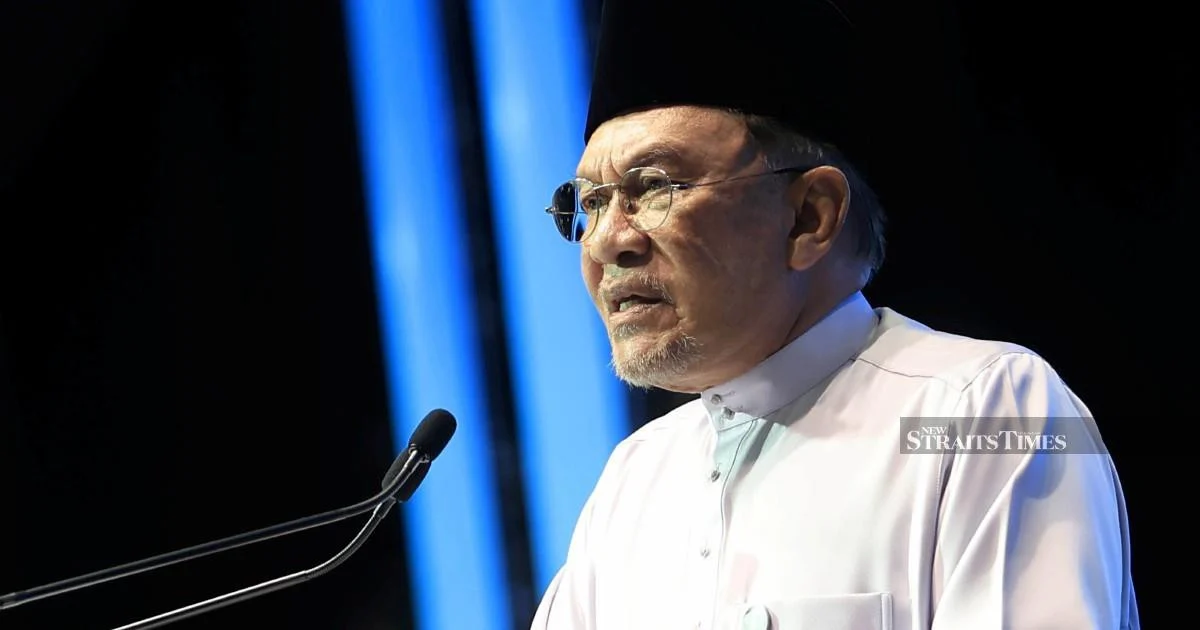
The Muar district office has categorically rejected allegations that Prime Minister Datuk Seri Anwar Ibrahim was barred from using the Penghulu Mukim Sungai Balang Complex to host a community engagement programme last month, according to a statement released by the district administration. The denial comes amid ongoing political discourse surrounding the administration's decisions regarding public facilities and their allocation for political activities across Johor.
Questions about the accessibility of government buildings for top government officials, particularly during election periods, have become an increasingly sensitive matter in Malaysian politics. The use of public complexes by political figures often raises questions about neutrality and the separation between government resources and partisan political activities. This incident in Muar reflects broader tensions that emerge when government infrastructure becomes intertwined with election-related or community mobilisation efforts.
The Penghulu Mukim Sungai Balang Complex, as a government facility, falls under protocols governing how such spaces can be utilised by various organisations and individuals. The district office's response suggests that either no such restriction was ever imposed or that the circumstances surrounding the requested usage were handled according to standard administrative procedures rather than any political directive. Understanding these administrative distinctions becomes crucial in evaluating claims of preferential treatment or obstruction.
Muar district, one of Johor's significant population centres, has served as an important political battleground in recent electoral cycles. The district's diverse demographic composition and historical significance in state politics make incidents involving access to government facilities particularly noteworthy. The Johor state elections context amplifies scrutiny of how local administrations manage public resources and their allocation across different political actors and initiatives.
The timing of this denial is particularly relevant given the heightened political activity surrounding Johor polling season. Community engagement programmes by the Prime Minister typically aim to strengthen public relations and gather grassroots support for government initiatives. When questions arise about access to facilities for such programmes, they inevitably spark broader discussions about administrative impartiality and the boundaries between government operations and political campaigning.
Government complexes in Malaysia operate under established guidelines regarding facility usage, including provisions for maintenance, capacity constraints, scheduling conflicts, and operational requirements. These practical considerations often influence decisions about granting access, though such reasoning may be subject to different interpretations depending on one's political perspective. The district office's position suggests that standard criteria were applied in assessing the facility request rather than any exceptional restrictions.
The denial by Muar district administration represents an attempt to clarify its operational autonomy and adherence to bureaucratic procedures independent of political considerations. As the administrative body responsible for managing government assets in the district, the office has responsibility for explaining the basis of facility allocation decisions to the public. This statement serves to defend the institution's integrity and professional management of public resources.
For Malaysian readers, particularly those in Johor, such incidents highlight the ongoing importance of maintaining clear boundaries between government machinery and political operations. The accessibility of public facilities to different political leaders and their respective campaigns remains a significant governance issue, especially during election periods when the potential for misuse or perception of bias becomes heightened. These questions extend beyond individual incidents to fundamental issues of administrative transparency and equal treatment.
The broader context of these allegations within Johor's electoral landscape reflects the competitive nature of state politics and the scrutiny that government institutions face from multiple stakeholders. Whether the claims originated from political opponents, observers concerned about administrative impartiality, or other sources, they underscore the sensitivity surrounding government facility usage during politically charged periods. The district office's response indicates an effort to counter any perception of administrative interference in political activities.
Moving forward, clarifications regarding facility usage policies, criteria for approval or denial of requests, and the specific circumstances surrounding disputed bookings could help strengthen public confidence in administrative fairness. Transparency in explaining how decisions are made regarding public complex allocations serves the broader democratic principle of accountability and helps prevent future controversies. Such clarity becomes particularly valuable in districts like Muar where political competition remains intense and public scrutiny of official decisions is considerable.
The incident also demonstrates how administrative actions can quickly become politicised in the Malaysian context, where questions about neutrality and fairness in government operations remain sensitive. The involvement of the Prime Minister elevates the significance of any perceived restrictions, making prompt and clear communication from relevant authorities essential for maintaining public trust. The Muar district office's denial represents part of this necessary communication process during politically active periods.

