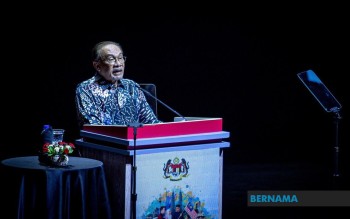
Malaysia has significantly expanded exemptions from mandatory e-invoicing requirements, raising the threshold that triggers compliance obligations from RM1 million to RM3 million in annual revenue. The change, announced by Prime Minister Datuk Seri Anwar Ibrahim during the 2026 National Day Prime Minister's Address, takes effect on September 1 and offers immediate relief to a substantial segment of the country's business community. The Inland Revenue Board (LHDN) confirmed that the adjustment will benefit more than 1.1 million enterprises currently operating below the new threshold, fundamentally altering the compliance landscape for Malaysia's micro and small business sectors.
The rationale behind the threshold increase centres on reducing the administrative and financial burden placed on smaller enterprises attempting to meet digitalisation requirements. Many MSMEs have struggled with the costs of system integration, staff training, and ongoing technical support demanded by e-invoicing implementation. By raising the barrier substantially, the government acknowledges that businesses at this scale often operate with minimal administrative capacity and lean margins, where compliance costs can represent a meaningful percentage of operating expenses. The MADANI government framed the decision as evidence of its commitment to balancing digitalisation ambitions with the practical realities facing Malaysia's entrepreneurial base.
Since the e-Invoice system went live on August 1, 2024, the LHDN reported that 265,379 taxpayers had already begun submitting e-invoices, collectively generating more than 1.84 billion invoices through the system. This uptake figure provides context for understanding the exemption expansion—the system has demonstrated reasonably strong adoption among larger enterprises and compliant businesses, suggesting that the infrastructure remains viable even with a significantly expanded exemption base. The substantial volume processed demonstrates that e-invoicing, despite implementation challenges, has gained traction among organisations prepared to invest in digitalisation.
The exemption does not represent a permanent exclusion from the digital ecosystem. LHDN actively encourages MSMEs to voluntarily participate in e-invoicing even when not legally obligated, positioning digital record-keeping as an opportunity rather than purely a regulatory burden. The board framed voluntary adoption as aligned with Malaysia's broader business digitalisation aspirations, suggesting that enterprises choosing early adoption gain competitive advantages through modernised operations and improved transaction visibility. This approach reflects evolving policy thinking that recognises different pathways to digitalisation rather than imposing uniform timelines across all business sizes.
To facilitate voluntary participation and support those eventually required to comply, the LHDN has expanded its support infrastructure considerably. The government has invested in educational materials including detailed guides and instructional videos for the MyInvois Portal, the MyInvois mobile application, and MyInvois e-POS solutions. These resources address common barriers to adoption by demystifying the technical requirements and demonstrating practical implementation workflows. Hand-holding programmes and continuous engagement sessions specifically target MSMEs, recognising that many small business owners lack dedicated IT personnel or accounting departments to navigate system changes independently.
Multiple support channels now exist for businesses seeking assistance with e-invoicing implementation or requiring clarification on their compliance obligations. The dedicated e-Invoice Helpdesk operates at 03-8682 8000, while businesses can visit LHDN offices directly for in-person consultation. The MyInvois Live Chat feature provides real-time digital support, catering to enterprises preferring immediate online assistance. Email inquiries can be directed to [email protected], and the MyInvois Customer Feedback Form allows structured submission of concerns or suggestions regarding system functionality and user experience.
For Malaysian businesses and regional observers, the threshold adjustment signals a measured approach to digital transformation that prioritises inclusivity over rigid compliance schedules. Many Southeast Asian countries face similar tensions between modernisation objectives and small business capacity, making Malaysia's decision particularly relevant for policymakers across the region. The exemption expansion suggests recognition that forcing rapid technological adoption across the entire business ecosystem risks creating perverse incentives—such as businesses deliberately structuring operations to stay below thresholds rather than investing in growth and formalisation.
The announcement also reflects implicit acknowledgment that e-invoicing implementation, while ultimately beneficial for tax administration and business transparency, imposes genuine costs on compliant enterprises. By targeting the threshold at RM3 million—a level where businesses typically develop more formal accounting infrastructure—the government concentrates compliance requirements on enterprises with greater institutional capacity to absorb implementation expenses. This targeting approach appears more sophisticated than either universal mandates or blanket exemptions, instead calibrating requirements to likely business maturity levels.
Looking forward, the LHDN's emphasis on continuous engagement and education suggests that the threshold may not be static. As smaller enterprises gradually grow and approach RM3 million in revenue, the tax authority intends to ensure smooth transitions into the e-invoicing ecosystem through proactive support rather than punitive enforcement. This developmental approach contrasts with some jurisdictions where threshold changes create compliance cliff-effects that discourage business expansion. By positioning e-invoicing as a tool for business sustainability rather than merely a compliance imposition, Malaysian authorities appear intent on securing genuine buy-in from the business community.

