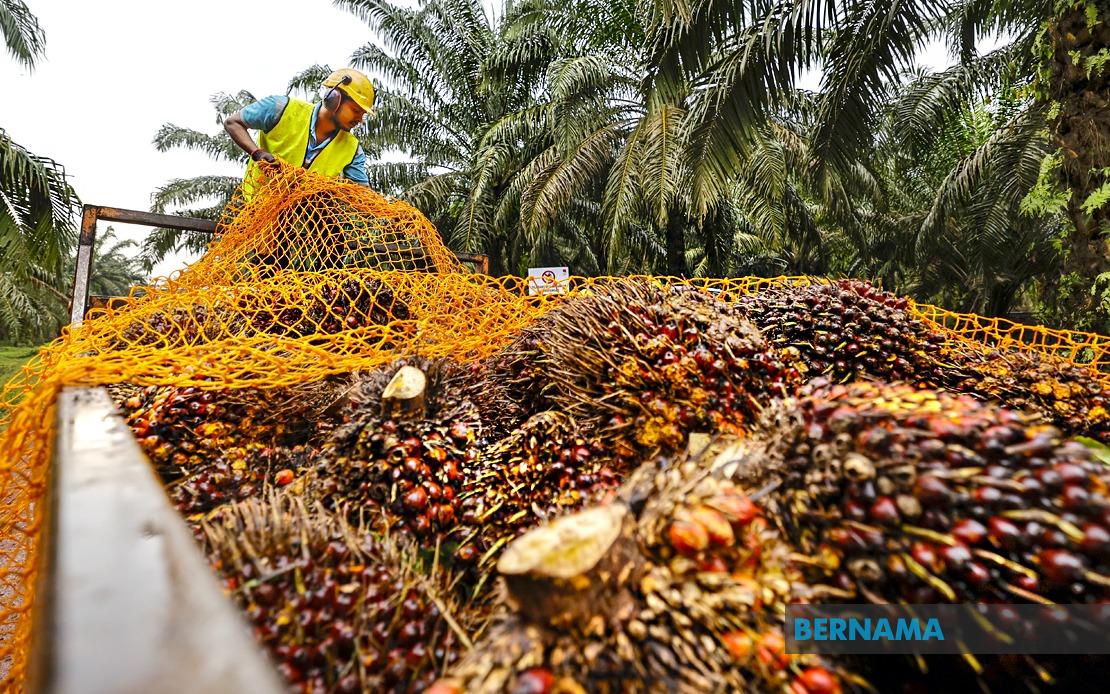
The Malaysian Palm Oil Board (MPOB) is set to establish a major research station on a 40.47-hectare plot in Seri Mendapat, Sungai Rambai, representing a significant investment in Melaka's agricultural sector. The facility, which will require between RM20 million and RM25 million, forms part of the 13th Malaysia Plan and reflects the state government's determination to revitalise its commodity production base. Melaka Chief Minister Datuk Seri Ab Rauf Yusoh unveiled the project during a visit to Kampung Seri Mendapat, emphasising the strategic importance of the undertaking for rural development.
The research station represents far more than a simple laboratory. The site will incorporate a working model plantation that demonstrates contemporary farming techniques, a dedicated research and development centre equipped with modern analytical capabilities, advanced laboratory facilities, and a comprehensive training complex. Additionally, the station will provide residential quarters for TUNAS advisory officers and enforcement personnel, along with supporting infrastructure necessary for operations. This multifaceted approach ensures the facility can function as both a research hub and a knowledge-sharing platform for the broader palm oil community across the region.
Positioning Sungai Rambai as a focal point for innovation and industry development carries substantial implications for the local economy. The Chief Minister articulated a vision wherein the research station catalyses job creation, skills development programmes, and broader economic activity that extends beyond the facility itself. By concentrating expertise, technology, and training resources in this single location, the initiative aims to attract investment and foster entrepreneurship among smallholders and commercial operators alike. This clustering effect is particularly valuable in rural areas where agricultural knowledge traditionally disperses across isolated pockets of activity.
Melaka's strategic push reflects a broader philosophical shift within state governance. Rather than viewing commodity production as merely an income source, policymakers increasingly recognise the potential for transformation into a modern, competitive sector capable of generating substantial value. This ambition requires not simply maintaining existing operations but fundamentally upgrading the technological sophistication, productivity standards, and market positioning of the entire industry. The research station embodies this commitment, positioning the state to compete effectively in global palm oil markets whilst addressing sustainability and efficiency concerns.
Complementing the research facility, the state is simultaneously addressing critical infrastructure gaps affecting smallholder farmers. A five-kilometre private farm road at Ladang Lembah Kesang in Mukim Semujuk will receive RM400,000 in funding, directly benefiting more than 200 smallholders. Although road infrastructure might appear routine to urban observers, for agricultural producers operating in dispersed rural settings, transportation access fundamentally affects economic viability. Improved connectivity reduces the time and cost required to transport harvest to market, thereby improving profitability margins and enabling farmers to respond more rapidly to market opportunities. These seemingly modest projects address real constraints that limit agricultural productivity across Southeast Asia.
The Sungai Rambai constituency presents a compelling case study for targeted rural development. Nearly 45 per cent of the community comprises farmers and smallholders, indicating agriculture remains central to local livelihoods and identity. For such populations, government investment in research capacity, market access, and technical support represents meaningful recognition of their economic contribution. The state government's explicit commitment to championing community needs signals a development approach grounded in understanding local realities rather than imposing top-down solutions.
The MPOB has complemented infrastructure investment with financing initiatives addressing a critical constraint facing smallholders: capital availability for replanting. The Smallholder Oil Palm Replanting Financing Incentive Scheme 2.0 offers eligible farmers up to RM14,000 per hectare to replace aging, underperforming trees with superior genetic stock. The delayed repayment structure, commencing only in year five, acknowledges the temporal reality of agricultural investment. Smallholders operating on thin margins cannot absorb immediate debt servicing costs, and this financing architecture demonstrates sophisticated understanding of rural economics. Access to improved planting material, combined with deferred repayment, creates pathways for productivity enhancement that would otherwise remain unavailable to resource-constrained operators.
Beyond palm oil development, the state government is addressing infrastructure challenges affecting the fishing community, another economically significant group within the district. Melaka has requested RM200,000 from the federal government to upgrade an aging watergate at Jeti Sebatu, whilst drainage works totalling RM350,000 are already underway along a 300-metre section of the Sungai Sebatu outlet. These flood mitigation measures respond to specific concerns raised by local fishing communities, indicating responsive governance that acknowledges how climate variability and inadequate infrastructure expose vulnerable populations to economic risk. Fishing communities, like agricultural producers, depend on predictable access to their workplaces; flood damage disrupts livelihoods and impedes recovery.
The convergence of these initiatives—research infrastructure, farm roads, replanting financing, and flood mitigation—reveals an integrated rural development philosophy. Rather than viewing different sectors and concerns in isolation, the state government is constructing interconnected support systems addressing multiple constraints simultaneously. This holistic approach recognises that rural prosperity depends not on single interventions but on coordinated investments that collectively address productive capacity, market access, financial constraints, and environmental resilience. For smallholders and fishing communities, such coordinated support can generate cumulative benefits exceeding the sum of individual projects.
Melaka's emphasis on commodity sector modernisation carries implications extending beyond state borders. As Southeast Asian nations compete for position in global agricultural value chains, investments in research, technology transfer, and smallholder support influence regional competitiveness. The MPOB research station will generate knowledge applicable across producing regions, whilst demonstrating models of public-private collaboration in agricultural development. Success in Melaka could inform policies in other Malaysian states and provide lessons for neighbouring countries navigating similar development challenges.
The 13th Malaysia Plan's inclusion of this project underscores federal commitment to regional economic diversification and rural transformation. Rather than concentrating development resources in urban centres and manufacturing hubs, the planning framework explicitly allocates investment to agricultural modernisation. This signals recognition that inclusive national development requires strengthening the economic foundations of rural communities. For Melaka specifically, palm oil industry development offers sustainable employment alternatives to manufacturing and services sectors, reducing economic vulnerability to sectoral shocks.
Implementation success will ultimately determine whether these initiatives achieve their transformative potential. Research stations generate value only when their findings reach smallholders and influence adoption decisions. Farm roads succeed only when coupled with market mechanisms enabling farmers to capture premium prices. Financing schemes work only when borrowers access quality inputs and technical guidance. The interconnected nature of these investments means underperformance in any single component undermines the overall strategy. State and federal authorities must therefore ensure coordinated implementation, appropriate resourcing, and mechanisms for monitoring and adjustment as projects progress.

