An elderly woman and her middle-aged daughter died in a fatal traffic accident in Muar, Johor on July 17, marking another tragedy on Malaysian roads. The incident occurred at approximately 10:30 am on Jalan Temenggung Ahmad near Parit Unas when a Perodua Myvi, driven by the 58-year-old woman, crossed into oncoming traffic and struck a lorry.
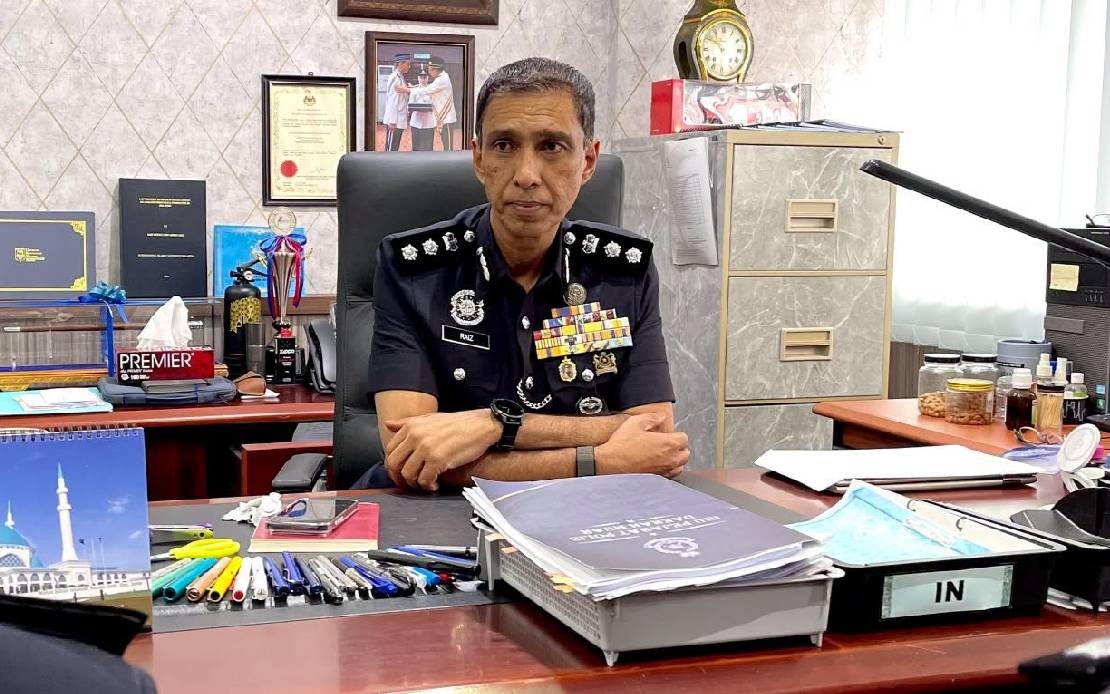
According to Muar District Police Chief ACP Raiz Mukhliz Azman Aziz, preliminary findings suggest the Myvi driver lost control of the vehicle, causing it to veer into the opposite lane where it collided head-on with the lorry that was traveling from Muar town towards Parit Jawa. The force of impact was significant, with tragic consequences for both occupants of the smaller vehicle.
The daughter, who was at the wheel, was pronounced dead at the scene. Her mother, aged 83, sustained injuries from the crash and was rushed to Sultanah Fatimah Specialist Hospital (HPSF) in Muar for emergency treatment. However, despite medical intervention, the elderly passenger succumbed to her injuries while undergoing care at the facility. The deaths underscore the devastating impact such accidents can have on families, with both generations lost in a single incident.
The lorry driver, a 35-year-old man, was injured in the collision, sustaining wounds to his hands and legs. He received medical attention at the same hospital where the daughter-in-law died. While serious, his injuries appear non-life-threatening, and he is expected to make a recovery following treatment.
Such accidents in Johor are not uncommon, reflecting broader safety concerns on Malaysian highways and secondary roads. The Muar area, while not typically regarded as an accident blackspot, has experienced several tragic incidents in recent years. Road fatalities involving elderly passengers and their adult children highlight the vulnerability of older road users, who may face greater difficulty recovering from trauma even when injuries appear moderate.
The police investigation into the collision is being pursued under Section 41(1) of the Road Transport Act 1987, which deals with dangerous or rash driving causing death or grievous injury. This legislation carries serious penalties for drivers found culpable, though in this case the responsible driver was killed in the accident. Investigations will likely focus on determining whether mechanical failure, medical episode, or driver error contributed to the loss of control.
The circumstances leading to the Myvi's sudden deviation warrant thorough examination. Potential factors include sudden health events such as stroke or cardiac incident experienced by the driver, mechanical malfunction affecting steering or braking systems, or momentary loss of attention. Authorities will examine vehicle maintenance records and conduct an autopsy to rule out medical causes of the collision.
Muar District Police have appealed to the public for information about the accident. Witnesses or individuals with relevant details are encouraged to come forward and assist the investigation. Such cooperation from the community often provides crucial context that police cannot obtain independently, potentially clarifying the circumstances that led to this tragedy.
Road safety remains a critical issue across Malaysia, with thousands of accidents recorded annually on federal routes, state roads, and highways. The Muar incident is a stark reminder that tragedy can strike suddenly, affecting not only the directly involved parties but reverberating through families and communities. The loss of two family members in a single collision represents an acute form of trauma that survivors must endure.
For policy makers and road safety advocates, such accidents reinforce the need for continued investment in road infrastructure improvements, driver education programs, and vehicle safety standards. Many secondary roads in Malaysia, including those in Johor, could benefit from additional safety features such as improved road markings, warning signs, and barriers in high-risk areas.
The incident also raises questions about the adequacy of emergency response systems and hospital capacity in regional centers like Muar. The rapid transportation of casualties to HPSF and the subsequent medical efforts represent the critical final links in the chain of response following such tragedies. Ensuring that regional hospitals maintain adequate trauma care capacity remains essential for improving survival rates in future accidents.

