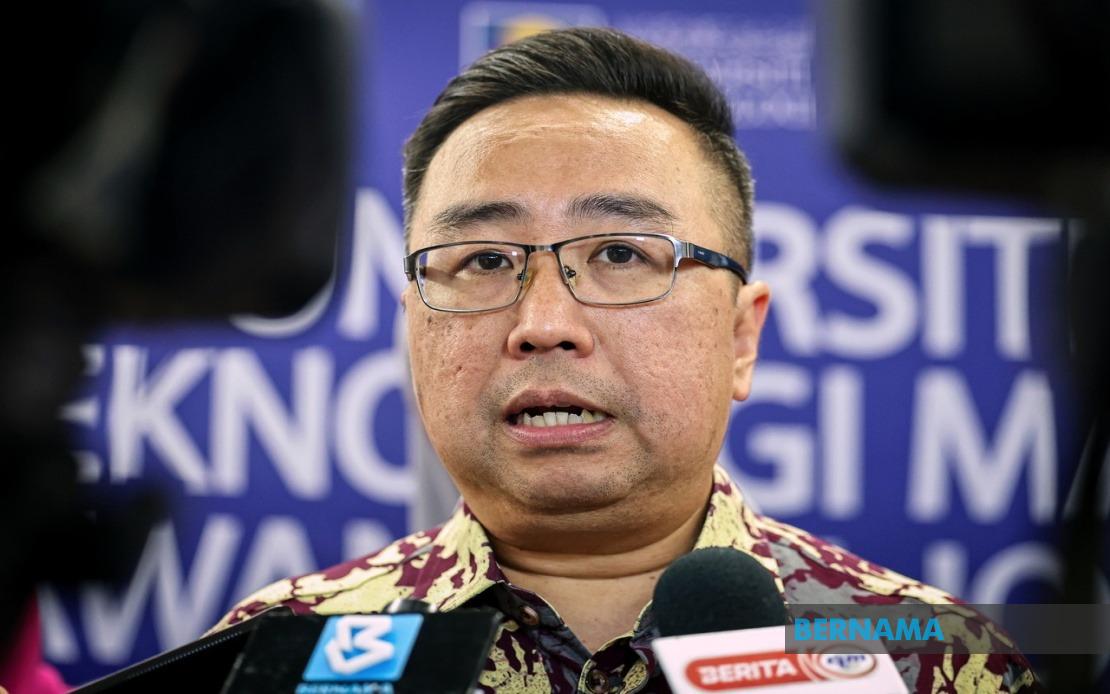
Malaysia's Ministry of Science, Technology and Innovation (MOSTI) is placing talent development at the centre of its strategy as the country gears up to host the 23rd ASEAN Ministerial Meeting on Science, Technology and Innovation (AMMSTI-23) in June 2027, marking a significant moment for regional cooperation in science policy and innovation governance.
Minister Datuk Chang Lih Kang emphasised that cultivating homegrown expertise represents a cornerstone of national competitiveness, directly enabling Malaysia to compete for high-tech foreign direct investment in an increasingly crowded regional market. The timing is particularly strategic, as Southeast Asian nations intensify their efforts to position themselves as innovation hubs and manufacturing centres for advanced industries.
Beyond workforce development, MOSTI has identified six strategic technology pillars that will anchor Malaysia's innovation roadmap for the coming years. These priorities—energy transition, artificial intelligence, digitalisation, advanced materials, nanotechnology including hydrogen applications, and biotechnology—reflect both global megatrends and domestic economic imperatives. The selection demonstrates recognition that Malaysia must move up the value chain away from traditional manufacturing toward knowledge-intensive sectors that command premium pricing and create higher-skilled employment.
A particularly notable focus area is the integration of cutting-edge technologies into Malaysia's technical and vocational education system. Although Technical and Vocational Education and Training (TVET) falls under other ministerial portfolios, MOSTI has committed to supporting curriculum modernisation across the sector. The ministry is pushing to embed robotics, artificial intelligence, and coding into vocational programmes—a departure from conventional approaches that emphasised manual technical competencies in isolation from digital ecosystems.
This cross-ministry collaboration involves twelve government agencies, including the Ministry of Education, the Ministry of Higher Education, the Ministry of Rural and Regional Development, and the Ministry of Human Resources. The breadth of this partnership signals recognition that workforce development cannot succeed through siloed departmental efforts, and that vocational pathways must align with broader industrial transformation strategies to retain relevance and graduate employability.
The MOSTI TechTalks Series 2/2026 initiative serves as a direct engagement mechanism with Malaysia's younger generation, bringing discussions of cutting-edge research and innovation directly to university campuses. By exposing students to the latest developments within the national science, technology and innovation ecosystem, MOSTI aims to ensure that emerging talent understands the strategic direction of government policy and the employment opportunities that align with these priorities.
This grassroots engagement addresses a persistent challenge across Southeast Asia: the disconnect between academic training and industry needs. Malaysian universities often produce graduates qualified in abstract theoretical knowledge but unprepared for practical application in emerging sectors. By bridging this gap early through campus-based outreach, MOSTI hopes to cultivate a pipeline of young professionals who can immediately contribute to Malaysia's transformation toward high-technology industries upon graduation.
The decision to host AMMSTI-23 in 2027 emerged from deliberations at the 22nd iteration of this ministerial meeting, held in Vientiane, Laos, on June 26. Hosting rights for such regional gatherings carry symbolic and practical significance—they position Malaysia as a thought leader on science and innovation policy within ASEAN, enhance diplomatic standing, and create opportunities to showcase domestic capabilities to peer nations and foreign investors.
For Malaysia, hosting AMMSTI-23 comes at a critical juncture as the nation pursues its broader economic transformation agenda. The convergence of preparing a world-class ministerial conference and simultaneously ramping up domestic talent development efforts creates both urgency and opportunity. The conference venue will inevitably showcase Malaysia's progress in emerging technologies, making current investments in education, research infrastructure, and innovation ecosystems visible to regional counterparts.
The emphasis on energy transition and hydrogen technology within MOSTI's priorities reflects Malaysia's position as a petrochemical-dependent economy seeking diversification. Hydrogen production, particularly green hydrogen derived from renewable sources, represents an emerging sector where Malaysia possesses raw material advantages and manufacturing capabilities. Developing local expertise in hydrogen technologies positions the country to capture value across production, export, and downstream applications.
Artificial intelligence integration throughout both technical education and broader innovation efforts indicates MOSTI's recognition that AI will reshape nearly all sectors—from manufacturing and agriculture to healthcare and financial services. Early investment in AI literacy and technical capacity building creates competitive advantage, allowing Malaysian companies and researchers to adopt and adapt AI solutions rather than remaining dependent on imported technologies and foreign expertise.
The quantum leap from conventional vocational training toward technology-infused curriculum represents a philosophical shift in how Malaysia views workforce preparation. Rather than training workers for static job descriptions, modernised TVET aims to develop adaptive learners capable of navigating continuous technological change. This approach acknowledges that half the jobs Malaysia's youth will occupy in fifteen years likely do not yet exist, making learning agility and technological fluency more valuable than mastery of specific tools.
As Malaysia positions itself to chair regional discussions on science and innovation in 2027, the groundwork laid through talent development initiatives, curriculum modernisation, and strategic technology prioritisation will prove essential. Success requires not just institutional policy changes, but meaningful transformation in how Malaysia educates its population for the economic demands of the coming decade.

