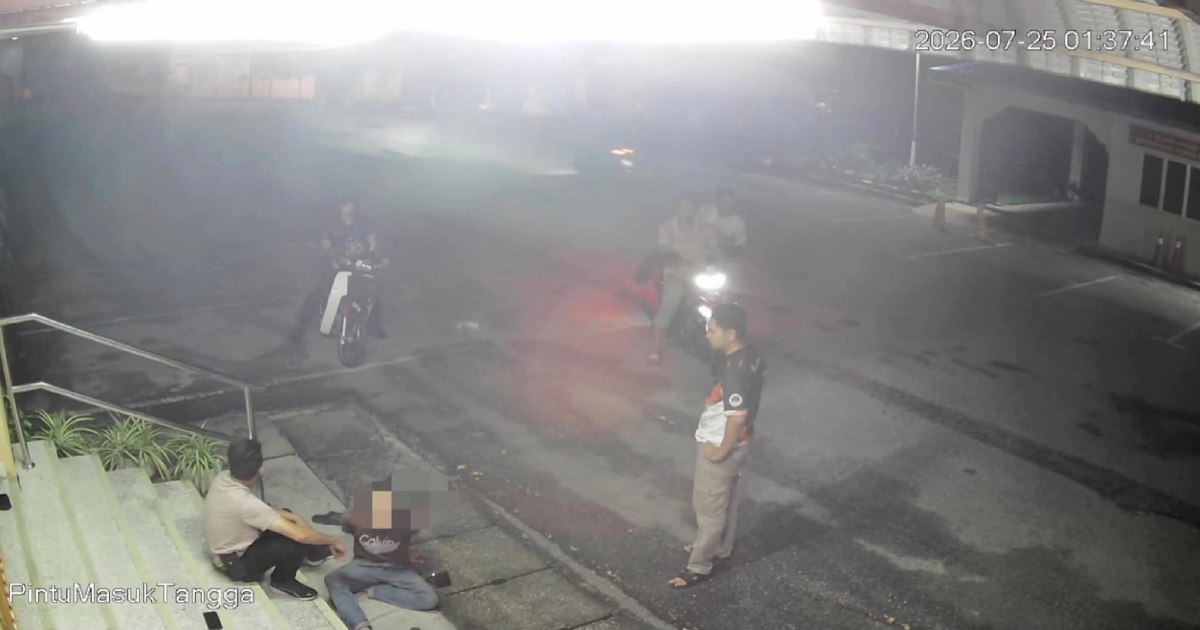
Police in Selangor have arrested a man suspected of conducting a prolonged theft spree targeting donation boxes at Masjid Bandar Baru Sungai Buloh in Sungai Buloh, bringing an end to a troubling period for the religious community. The apprehension came after investigators gathered sufficient evidence linking the individual to multiple incidents of theft from collection containers within the mosque premises.
The series of thefts had created significant concern among mosque officials and worshippers, who depend on donations to fund religious education programmes, maintenance of facilities, and community welfare initiatives. Such incidents are particularly sensitive within mosque communities, as donations represent a form of sadaqah—Islamic charitable giving—and their misappropriation violates the trust placed by congregants in their place of worship.
Masjid Bandar Baru Sungai Buloh serves as a spiritual hub for residents across multiple neighbourhoods in the Klang Valley region. Beyond its role as a prayer space, the mosque hosts Quranic classes, youth activities, and provides assistance to vulnerable families. The loss of funds from donation boxes directly impacts these services, potentially limiting the institution's capacity to serve its community effectively.
The investigation process appears to have involved reviewing security footage, interviewing witnesses, and cross-referencing reports of theft incidents to establish a pattern. Modern security measures, including closed-circuit cameras, have become increasingly important for mosque authorities seeking to protect both their physical assets and donations intended for charitable purposes. This particular case underscores the value of such surveillance systems in identifying repeat offenders.
Repeated theft from mosques represents a criminal issue that extends beyond simple larceny. In Islamic jurisprudence, misappropriating charitable donations carries serious religious and legal implications, as such funds are held in trust for specific beneficiaries and religious purposes. The breach of this sacred trust compounds the moral dimension of the crime and often generates stronger community reactions than standard shoplifting or burglary.
Police investigations into theft at religious institutions often encounter cooperation challenges, as many worshippers hesitate to formally report missing donations or may prefer to handle matters internally. However, the persistence of such problems typically forces authorities to intervene, balancing respect for religious autonomy with their responsibility to protect all community members from criminal activity.
The arrest arrives at a time when Malaysian mosques have increasingly emphasized security improvements and transparency in donation management. Many institutions have installed tamper-proof collection boxes, implemented digital payment systems for donations, and established clear accountability procedures for funds. These measures aim to prevent theft while reassuring worshippers that their contributions are properly safeguarded and utilized.
Sungai Buloh, located in Selangor's northern section, has experienced rapid residential development over recent decades, creating communities where many residents lack deep historical connections or kinship networks. In such settings, both crime rates and social cohesion challenges sometimes increase, requiring heightened vigilance and security protocols at institutions serving congregations that may include newcomers unfamiliar with one another.
The suspected thief now faces investigation through standard criminal procedures. Depending on the value of stolen funds and number of proven incidents, charges could range from simple theft to more serious offences under Malaysia's Penal Code. Conviction could result in imprisonment and restitution orders requiring the individual to repay stolen amounts to the mosque.
Beyond the immediate criminal matter, this incident prompts broader reflection on mosque security practices across Malaysia. While most worshippers act with integrity, the reality of occasional theft necessitates practical safeguards that protect funds without creating an atmosphere of suspicion within prayer spaces. Finding this balance remains an ongoing challenge for mosque administrators nationwide.
Community members have expressed relief at the arrest, which should restore confidence in the security of donations at Masjid Bandar Baru Sungai Buloh. The resolution of this case may also encourage other institutions experiencing similar problems to report incidents and pursue investigations, creating deterrent effects across the broader religious community. Moving forward, mosque authorities are likely to review their security protocols and consider implementing additional measures to prevent future occurrences.

