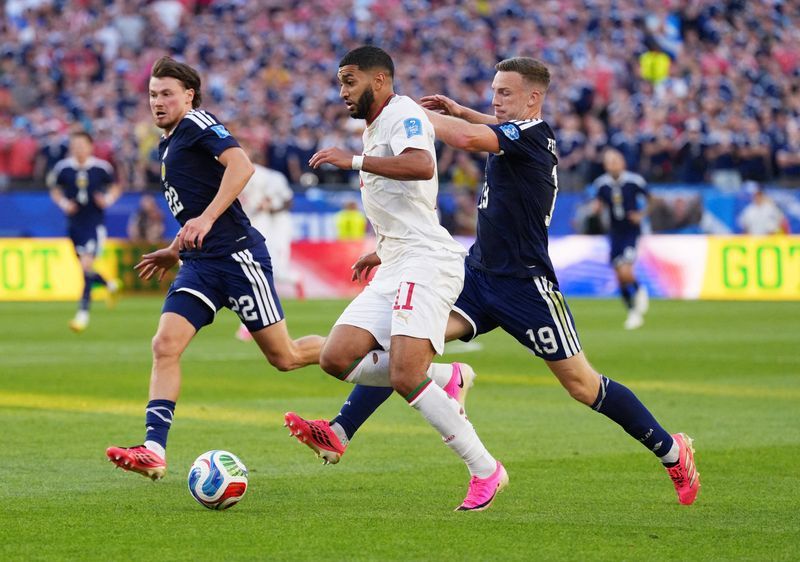
Morocco seized the initiative with stunning efficiency at Gillette Stadium in Foxborough, Massachusetts on Friday, dismantling Scotland with a 1-0 triumph that underscored their status as genuine tournament contenders. The decisive moment arrived with extraordinary speed: Ismael Saibari collected a Brahim Diaz cross just 71 seconds into the match, exploiting a defensive lapse as central defender Grant Hanley ventured too far forward. That lightning-quick opener proved to be the tournament's fastest goal, setting the tone for a clinical performance that left the Scottish side struggling to find their rhythm throughout.
The victory propels Morocco to the summit of Group C with four points accumulated from two fixtures, positioning them in a commanding position as the group stage approaches its conclusion. Their opponents in the final round will be Haiti next Wednesday, while Scotland must face five-time champions Brazil in a must-win encounter that now carries enormous importance. The mathematical reality of the group format means that the top two teams secure automatic progression to the round of 32, alongside the eight best third-placed finishers across all groups. For Scotland, the path to advancement has suddenly become considerably more treacherous following their defeat to a side that showed far greater intensity and tactical discipline.
Scotland's pre-match confidence stemmed from their opening-match victory over Haiti, a scrappy 1-0 result that ended a 36-year drought without a World Cup win and provided genuine optimism heading into the Morocco clash. However, the North African outfit's superior athleticism and pressing intensity quickly overwhelmed Steve Clarke's team, who appeared caught off guard by the aggressive approach and struggled to establish any meaningful possession in dangerous areas. The Scots managed to record no shots on target until the closing stages of the first half, a remarkable statistic that encapsulates their defensive struggles and inability to transition quickly into attacking phases.
Morocco's dominance extended well beyond the opening minutes, with Azzedine Ounahi engineering a promising opportunity when his left-wing run produced a cutback that two teammates narrowly failed to convert amid scrambling at the far post. The relentless pressure continued as Bilal El Khannouss fired over the bar following another slick passing move in the 36th minute, highlighting the visitors' technical proficiency and spatial awareness. These chances demonstrated that Morocco's lead could have been considerably more substantial had finishing been sharper, yet their tactical approach suggested they were entirely comfortable managing the game's tempo and controlling possession.
Saibari himself has emerged as a central figure in Morocco's tournament campaign, following up his early breakthrough with an evening that included a deflected effort that struck the post and underscored his growing confidence in the competition. His performance carries additional intrigue given reports that the midfielder has successfully completed medical examinations to join German champions Bayern Munich, a significant professional development that adds another dimension to his World Cup contributions. Beyond his individual brilliance, Saibari's presence in this match reflected Morocco's broader resurgence as a football nation, a trajectory that includes their remarkable run to the semi-finals in Qatar during the previous World Cup tournament.
The second half produced further evidence of Morocco's superiority, with El Khannouss forcing a respectable save from Scotland goalkeeper Angus Gunn following a glancing header minutes into the resumption. Scotland's attempts to inject momentum through increased attacking intent arrived too late, with the defensive shape already compromised and Morocco's midfield maintaining effective control of transitions. Despite generating some late pressure and creating isolated opportunities, the Scots could not manufacture the quality required to breach a Moroccan backline that remained organized and composed throughout the encounter.
The wider context surrounding Morocco's campaign includes the contentious matter of team captain Achraf Hakimi, whose presence drew audible disapproval from Scottish supporters during the match. The full-back continues to face a rape trial in France, an off-field complication that has nonetheless not visibly impacted team cohesion or performance. Azzedine Ounahi's pre-match comments suggesting Morocco harboured ambitions of reaching the final raised eyebrows among observers, yet Friday's commanding display suggests the team possesses sufficient quality and tactical organization to compete with the tournament's elite sides.
For Malaysia and Southeast Asian observers, Morocco's progression and style of play offer valuable lessons in how regional underdogs can compete at football's highest level through disciplined organization and collective intensity. The North African nation's trajectory from surprise semi-finalists in Qatar to genuine contenders in this tournament demonstrates that sustained investment in player development and coaching infrastructure can yield tangible results on the world stage. The success of players like Saibari in securing moves to top European clubs creates a virtuous cycle of improved player quality and international competitiveness that smaller footballing nations aspire to replicate.
Scotland now faces the daunting prospect of needing to defeat Brazil to maintain realistic hopes of progression, an assignment rendered significantly more challenging following their inability to generate attacking threat against Morocco. The Scottish Football Association will undoubtedly review the defensive vulnerabilities exposed on Friday, particularly the high defensive line that proved vulnerable to Moroccan pace and precision in the early stages. Brazil's own performance later on Friday would determine whether Scotland's final-match assignment represents a genuine path to advancement or merely a theoretical exercise in qualification mathematics.
Morocco's commanding display reaffirmed their status as architects of their own destiny in Group C, with one match remaining to secure the top-two finish that would guarantee progression regardless of other results. The North African side's tactical maturity, technical quality, and physical prowess suggest they possess the attributes necessary to sustain their challenge throughout the remainder of the tournament, potentially extending their achievement beyond the group stages and establishing themselves among the competition's serious contenders.