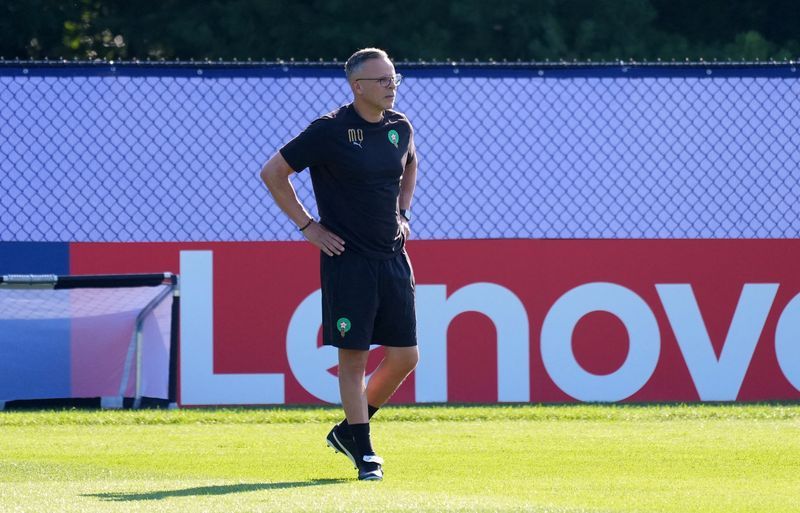
Morocco's ambitions for the World Cup extend far beyond merely reaching the quarter-finals, with coach Mohamed Ouahbi making clear that his squad will postpone any reflection on their achievements until the tournament concludes. Speaking ahead of Thursday's high-stakes encounter against France in what amounts to a rematch of the 2022 semi-finals in Qatar, Ouahbi rejected the narrative that Morocco should be pleased simply with their progress to date. The North African side has already established itself as a genuine title contender rather than a surprise package, and Ouahbi's messaging underscores a fundamental shift in Morocco's mentality entering this decisive phase of the competition.
The context surrounding this fixture carries particular weight given the recent history between these two nations. When they met in the semi-finals in Qatar nearly a year ago, France eliminated Morocco and went on to lose the final to Argentina on penalties. That bitter ending has infused Morocco's squad with a hunger for vindication and advancement. This time around, however, the dynamic has shifted considerably. Morocco is no longer attempting to exceed expectations as an underdog but instead seeking to fulfil legitimate aspirations to capture football's most coveted trophy. Ouahbi's refusal to celebrate the journey itself signals that Morocco views every remaining match as a stepping stone toward ultimate success rather than a remarkable achievement in isolation.
The coach's philosophy reflects a deliberate rejection of the "bonus" mentality that sometimes consumes teams when they unexpectedly progress far in major tournaments. Ouahbi articulated this mindset clearly, emphasizing that his players understand the difference between settling for respectable performances and pursuing victory with absolute commitment. This psychological approach has proven effective throughout Morocco's campaign so far. The team progressed smoothly through the group stage and subsequently dismantled both the Netherlands and Canada in knockout encounters, demonstrating the kind of composed excellence required to contend for the title.
France presents a formidable obstacle to Morocco's ambitions, having twice finished as World Cup champions or runners-up in recent tournaments. The French squad claimed the title in 2018 before reaching the final four years later, establishing themselves as a dominant force in international football. Their path to the quarter-finals involved a somewhat unconvincing 1-0 victory over Paraguay, with Kylian Mbappé securing the win from the penalty spot. Yet despite the narrow margin of that performance, France possesses one of the most destructive attacking units ever assembled at a World Cup, with Mbappé having already accumulated seven goals in the tournament.
Mbappé's remarkable scoring record places him second only to Argentina's Lionel Messi in the golden boot race, a striking testament to his clinical finishing under tournament pressure. Alongside the PSG forward, France can deploy Ousmane Dembélé, Michael Olise, and Bradley Barcola, each capable of devastating opposing defences with pace and technical proficiency. This concentration of attacking talent creates a multidimensional threat that stretches defences across the pitch and rewards the kind of dynamic, high-tempo football that has become France's hallmark. Morocco will need to demonstrate defensive discipline while simultaneously creating enough attacking opportunities to trouble a side accustomed to controlling matches at the highest level.
Ouahbi's tactical challenge involves balancing caution against complacency. While France are rightly considered favourites given their pedigree and firepower, Morocco has shown throughout this tournament that they can compete with elite opponents. The coach's insistence on approaching the match with maximum intensity and without regret suggests Morocco intends to impose their own style rather than reactive defending. This aggressive mentality aligns with how they overwhelmed the Netherlands and dispatched Canada, suggesting the team has developed sufficient confidence to challenge France's favoured status.
The broader context for Southeast Asian readers extends beyond the immediate stakes of this particular encounter. Morocco's emergence as a serious World Cup contender represents a significant shift in global football power dynamics, with African nations increasingly demonstrating the tactical sophistication and competitive capability to challenge the traditional European and South American powers. This development carries implications for how smaller footballing nations perceive their own possibilities in future tournaments. Moreover, the competitive intensity and quality of this quarter-final clash exemplifies the elevated standard expected at this stage of the World Cup, where tactical nuance and psychological resilience become as important as individual talent.
Ouahbi's repeated emphasis that Morocco aims to go further than merely reaching this stage speaks to a hunger that extends throughout the squad. The coach made evident his disdain for the notion that simply being present in a World Cup quarter-final represents an accomplishment worthy of satisfaction. Instead, he framed each remaining obstacle as an opportunity to advance toward the ultimate prize. This mindset, if successfully transmitted to and maintained within the playing squad, could prove decisive in whether Morocco establishes themselves as genuine challengers or falls short against a more experienced opponent. The quarter-final against France will test not only the tactical capabilities and individual skills of both teams but also which squad maintains superior mental sharpness and commitment when the margins between success and elimination narrow to their finest.
For Morocco, the path forward demands perfect execution and unwavering self-belief. The team has already exceeded the expectations of many observers by reaching this stage and performing consistently at a high level. Yet Ouahbi's clear articulation of the gap between respectable progress and championship ambition demonstrates that Morocco's internal standards have risen significantly. Whether the squad can sustain that focus and convert it into a victory against the experienced and dangerous France team will determine whether their World Cup story continues toward glory or concludes in a painful near-miss.

