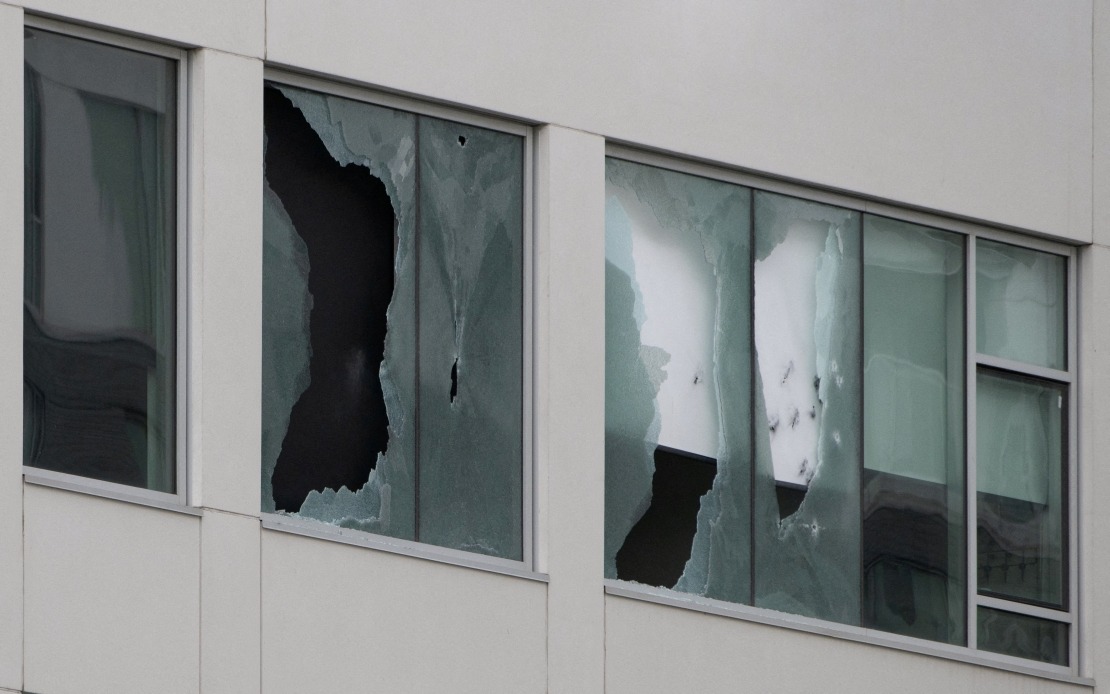
A tragedy unfolded in Montreal on Monday when a shooting in the Côte-des-Neiges neighbourhood resulted in the deaths of a police officer, a civilian resident, and the suspected gunman, casting a shadow over Canada's second-largest city. Montreal police confirmed the fatal outcome through a statement on social media platform X, expressing profound sorrow at the loss of one of their officers who was performing their duties at the time of the incident. The loss marks a sobering reminder of the risks law enforcement personnel face in the field, and the tragic ripple effects of gun violence on communities across Canada.
Emergency responders encountered a harrowing situation when they arrived at the scene. Montreal police chief Fady Dagher disclosed to reporters that the officers came under immediate fire upon arrival, forcing them to confront an active threat. The suspect was subsequently neutralised during the confrontation. In addition to the three fatalities, two other individuals sustained injuries, though one of the wounded officers was reported to no longer face life-threatening conditions, according to a police spokesman's later statement. The incident highlights the unpredictable and dangerous nature of emergency response situations, where personnel must make split-second decisions under extreme pressure.
Investigative efforts have already yielded significant findings about the circumstances surrounding the shooting. Law enforcement authorities have formally ruled out any connection to terrorism, a determination that carries weight given contemporary security concerns. Police have also confirmed that they believe the shooter acted independently without accomplices, meaning there are no additional suspects being pursued in connection with the incident. The swift resolution of these investigative questions helped authorities lift the emergency alert that had gripped the neighbourhood, allowing residents to emerge from the precautions they had been asked to undertake.
The immediate response by authorities included a comprehensive safety protocol for residents in the affected area. Police issued warnings about an "armed and dangerous suspect" and requested that people avoid the Côte-des-Neiges neighbourhood entirely. According to Canadian broadcaster CBC, residents received instructions to remain indoors and secure their doors as law enforcement contained the threat. This lockdown scenario, while necessary for public safety, reflects how such incidents can disrupt entire communities and instil fear among ordinary residents going about their daily lives. The psychological impact of such events extends far beyond the immediate victims and first responders directly involved.
Media investigations have uncovered disturbing ideological elements that may have motivated the attack. Reports suggest the attacker may have composed a manifesto containing hateful rhetoric linked to the incel movement, an extremist online community characterised by anti-feminist ideology and promotion of traditional gender roles. The incel subculture has been associated with several violent incidents in North America in recent years, earning scrutiny from security analysts who monitor radicalisation pathways. However, security authorities have not yet publicly confirmed these connections, indicating that verification of such claims remains part of the ongoing investigation into the shooter's motivations and background.
The emergence of potential incel links, if confirmed, would add another dimension to growing concerns about online radicalisation in North America. Malaysia and other Southeast Asian nations have not been immune to the spread of such extreme ideologies across digital platforms, making this incident internationally relevant beyond Canada's borders. The incel movement represents a particularly insidious form of radicalisation because it often operates through encrypted channels and anonymous forums, making early detection and intervention challenging for law enforcement agencies. Understanding these pathways becomes crucial for security professionals working to prevent violence before it occurs.
Montre's police force, like law enforcement agencies worldwide, faces the dual challenge of responding to immediate threats while also addressing the underlying social and ideological factors that generate violence. The loss of a police officer during this incident underscores the personal costs borne by those who dedicate their careers to public safety. Police deaths in the line of duty receive significant attention because they represent a direct attack on the institutions responsible for maintaining order and protecting communities. The impact on the fallen officer's family, colleagues, and the broader police service will be profound and enduring.
The investigation into this shooting remains ongoing despite the emergency alert being lifted and the primary suspect being neutralised. Forensic experts and criminal investigators will continue examining evidence, digital records, and the alleged manifesto to establish a comprehensive timeline and motive for the attack. Such thorough investigations serve not only to document what occurred but also to identify potential warning signs or patterns that might inform prevention strategies for similar incidents in the future. This investigative work, though less visible to the public than the immediate emergency response, proves equally critical for public safety.
For Canadian communities and beyond, this shooting serves as a stark reminder of the multifaceted nature of modern security threats. Violent extremism increasingly blends traditional criminality with ideologically-motivated hate, creating complex scenarios that challenge conventional law enforcement responses. The incident also demonstrates the importance of community vigilance and the need for awareness about online radicalisation vectors. In Malaysia and Southeast Asia, where similar ideological movements have been detected gaining traction among young people, the Montreal tragedy offers valuable lessons about the dangers of unchecked hate speech and the importance of building resilient communities resistant to radicalisation.