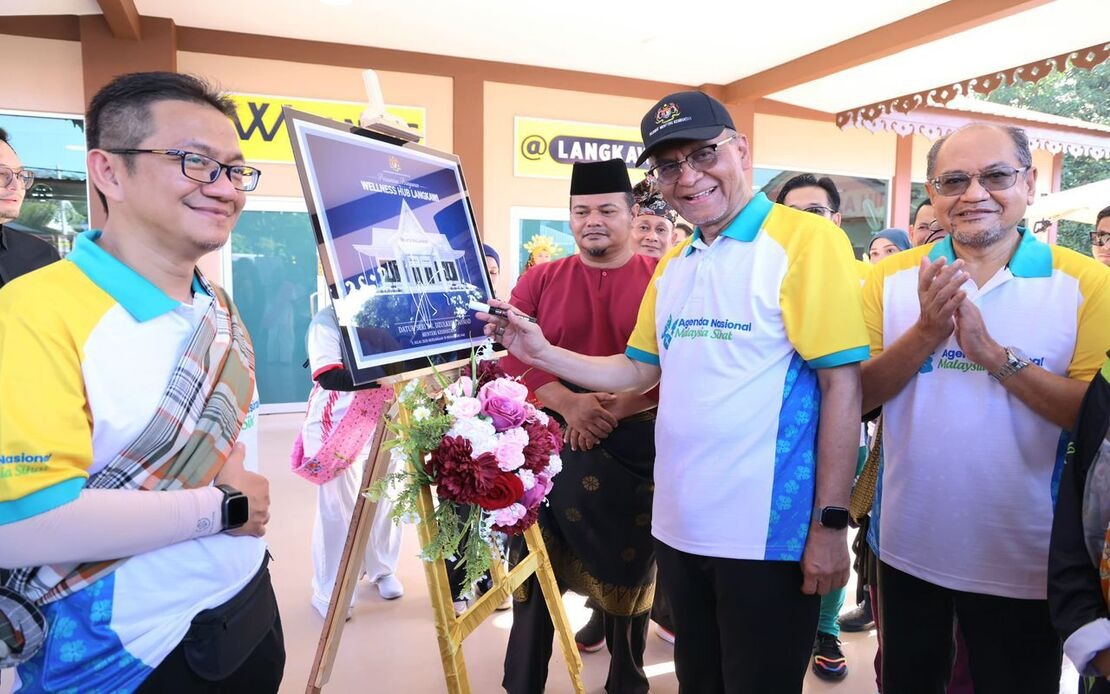
The Ministry of Health has set an ambitious target of serving more than 500,000 Malaysian citizens through its expanding network of 38 Wellness Hubs distributed nationwide during 2024. This strategic expansion reflects the ministry's determination to shift the nation's health approach from reactive disease treatment towards proactive prevention and wellness management. The initiative represents a significant component of the government's broader public health agenda, positioning disease prevention as a cornerstone investment in national well-being rather than a supplementary service.
The Wellness Hub programme operates on evidence-based principles that combine behavioural insights with enhanced health literacy among participants. By targeting how citizens understand and approach their own health decisions, the ministry seeks to catalyse lasting lifestyle modifications that reduce the incidence of chronic diseases and associated healthcare burdens. This psychological and educational foundation distinguishes the initiative from conventional medical interventions, addressing the root causes of poor health outcomes by empowering individuals to make informed choices about nutrition, physical activity, and stress management.
Accumulated data spanning 2020 to 2025 demonstrates the tangible impact of this approach, with 1,660,488 citizens having accessed various services through the Wellness Hub network. Among those who enrolled in structured weight management programmes, the results have been particularly encouraging, with 11,282 out of 15,027 participants—representing 75 percent—achieving meaningful weight reduction over the six-month intervention period. Similarly, fitness improvements were documented in 11,455 individuals, or 76 percent of those who engaged with physical conditioning services, suggesting that the behavioural insights methodology effectively translates into measurable health gains.
Already in 2024, the momentum has been building steadily. Between January and May, the Wellness Hubs received 335,930 visits from citizens seeking preventive health services, demonstrating substantial public engagement with the programme despite it still being in the early months of the year. This consistent flow of participants indicates growing awareness and acceptance of wellness-focused healthcare among Malaysian communities, potentially positioning the year-end target of 500,000 beneficiaries as an achievable milestone rather than an aspirational figure.
Recognising that accessibility remains a critical factor in programme uptake, the Ministry of Health is actively evaluating modifications to Wellness Hub operating hours. Current assessments explore the feasibility of extending services beyond standard office hours and into weekend periods, acknowledging that many working Malaysians face constraints in accessing daytime health services. This operational flexibility could substantially increase participation rates, particularly among employed adults who represent a significant portion of the nation's working-age population and disease-prevention target demographic.
Complementing the Wellness Hub expansion, the ministry has launched the MyLLSNet Application to support the 1000 Days of Life longitudinal study, a groundbreaking birth cohort investigation initiated in Langkawi. Officiated by Health Minister Datuk Seri Dr Dzulkefly Ahmad, this research initiative represents a forward-looking investment in understanding the biological and environmental determinants of early childhood development. The study operates through collaboration between the Institute of Public Health, the Langkawi district health office, and Sultanah Maliha Hospital, bringing together academic research capacity with grassroots healthcare infrastructure.
The longitudinal study focuses on the critical developmental window spanning pregnancy through the child's second birthday, a period increasingly recognised by global health researchers as determinative for lifelong health trajectories. By systematically tracking growth patterns and identifying modifiable risk and protective factors during this 1000-day period, the research aims to generate actionable insights that can inform maternal and early childhood health policies across Malaysia. The MyLLSNet application facilitates data collection, analysis, and knowledge dissemination, modernising the research process and enabling real-time monitoring of outcomes.
For Malaysian readers and policymakers, these initiatives carry significant implications for the nation's medium and long-term public health profile. The Wellness Hub programme addresses the pressing challenge of non-communicable diseases, which increasingly dominate Malaysia's disease burden and healthcare expenditure. By preventing or delaying onset of conditions such as obesity, type 2 diabetes, and cardiovascular disease through lifestyle intervention, the ministry potentially reduces future hospitalisations, pharmaceutical costs, and disability-adjusted life years lost to preventable conditions.
The emphasis on behavioural insights and health literacy aligns with contemporary global best practices in public health, drawing on principles validated through behavioural economics and health psychology research. Rather than relying solely on top-down health directives, the approach recognises that sustainable health behaviour change requires understanding the cognitive and social factors that shape individual decisions. This sophistication in programme design distinguishes Malaysia's approach within the Southeast Asian region.
Looking forward, the success of the 2024 wellness initiative will likely influence the ministry's resource allocation and expansion plans for subsequent years. Should the current trajectory continue and the 500,000-person target be exceeded, it would signal robust public demand for preventive health services and justify further scaling of the Wellness Hub network. Additionally, findings from the 1000 Days of Life study could reshape early childhood health interventions nationwide, potentially becoming a model replicated in other Malaysian states and contributing to regional public health knowledge.
The integration of these two initiatives—community-based wellness promotion alongside rigorous longitudinal research—demonstrates a comprehensive approach to public health that combines immediate, tangible benefits for current populations with long-term evidence generation for future policy refinement. This dual strategy positions Malaysia as a regional leader in translating health promotion theory into sustained programmatic action.

