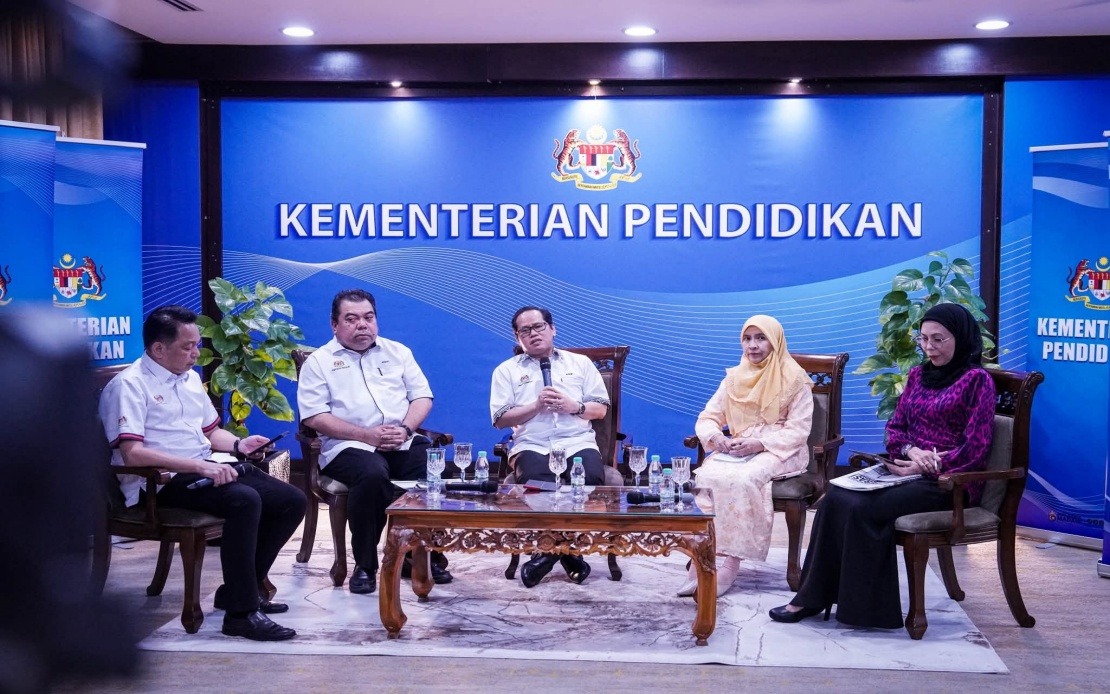
Malaysia's education sector is grappling with mounting safety and wellbeing challenges that extend far beyond the orderly appearance of schoolyards and classrooms. The Ministry of Education has moved to address this reality by implementing a wide-ranging Student Protection Policy designed to establish consistent protocols and protective mechanisms across all 10,258 schools in the country. Education director-general Datuk Mohd Azam Ahmad highlighted the severity of the situation during a recent dialogue session, revealing that the ministry processes reports of student injuries virtually every day, with incidents occasionally exceeding 10 fatalities within a 24-hour period.
The disconnect between outward appearances and underlying challenges forms the backdrop for this policy initiative. Schools may present themselves as safe havens, yet administrators at the MOE headquarters are confronted daily with accounts of emergencies, injuries, and tragic outcomes requiring immediate intervention and systematic responses. This disparity underscores why policymakers felt compelled to move beyond ad hoc crisis management toward a structured, nationwide framework. The Student Protection Policy, formally communicated through a circular dated July 1 this year, represents an acknowledgment that the education system requires more than traditional governance structures to protect its most vulnerable constituents.
The complexity facing Malaysian education today stems partly from the transformed environment in which students develop. Young Malaysians now navigate a digital landscape that introduces influences and pressures at developmental stages earlier than previous cohorts experienced. This technological shift has fundamentally altered childhood and adolescence, requiring educators to adapt their roles substantially. Teachers are increasingly expected to function not merely as purveyors of academic content but as mentors capable of fostering character development, emotional resilience, and psychological wellbeing alongside delivering curriculum standards.
The policy framework addresses this expanded responsibility by establishing clear guidelines that help educators discharge their professional duties while managing contemporary challenges with confidence and consistency. Key reform areas identified within the policy include mental health support systems, reproductive and social health education, prevention initiatives targeting child sexual violence and substance abuse, comprehensive student protection mechanisms, teacher welfare provisions, and mechanisms for amplifying student voices in school governance. This multifaceted approach recognizes that student safety encompasses physical security, emotional support, and preventative education across multiple vulnerability dimensions.
Implementation of the policy hinges upon a compliance mechanism requiring all school personnel and external individuals engaging with schools to sign a Letter of Compliance affirming their commitment to the Student Protection Policy. This contractual approach aims to create accountability throughout the school ecosystem while establishing shared responsibility for maintaining protective standards. By formalizing this commitment across the entire school community, the MOE seeks to embed safety consciousness into everyday practice rather than relegating protection to specialized departments or crisis response moments.
The policy dialogue featuring Datuk Mohd Azam Ahmad alongside panellists including Children's Commissioner Dr Farah Nini Dusuki from the Human Rights Commission of Malaysia, MOE Daily School Management Division director Hanafi Abdul Samad, and Educational Policy Planning and Research Division director Datin Rosliza Rosli provided a platform for discussing implementation challenges and stakeholder perspectives. SUHAKAM's involvement reflects the importance of aligning education sector initiatives with human rights frameworks and child protection standards, ensuring that policy development incorporates established best practices and independent oversight.
For Malaysian schools and education administrators, this policy represents a significant shift toward centralized standard-setting in student protection matters. Previously, individual schools may have operated with varying levels of preparedness and protocols when addressing safety concerns. The nationwide framework now mandates consistent approaches, though implementation will inevitably depend upon resource availability, training capacity, and the effectiveness of supervision mechanisms across diverse school contexts ranging from well-resourced urban institutions to under-equipped rural facilities.
The implications extend beyond schoolhouse boundaries into broader societal conversations about youth welfare and institutional accountability. Parents and guardians can anticipate more formalized channels for addressing student safety concerns, while students themselves gain explicit recognition through the policy's inclusion of student voice mechanisms. The framework also positions teachers within a supportive structure rather than leaving them individually responsible for navigating complex protection scenarios without institutional backing.
Regional perspectives on this policy development offer valuable context. Southeast Asian education systems generally confront similar pressures regarding student safety, digital-age challenges, and evolving teacher roles. Malaysia's approach—combining centralized policy framework with local implementation responsibility—represents one model for addressing these challenges systematically. Neighboring countries facing comparable issues may examine Malaysian implementation outcomes as reference points for their own policy development, particularly regarding integration of mental health support and child sexual violence prevention within education sector operations.
The policy's success ultimately depends upon sustained commitment to implementation, adequate training for school personnel, transparent monitoring of compliance, and willingness to adapt protocols as situations evolve. The MOE's public dialogue approach, broadcasting the discussion through EduWebTV, signals an intention toward transparency and stakeholder engagement, though meaningful protection requires moving beyond policy announcements toward institutional culture change within schools themselves.

