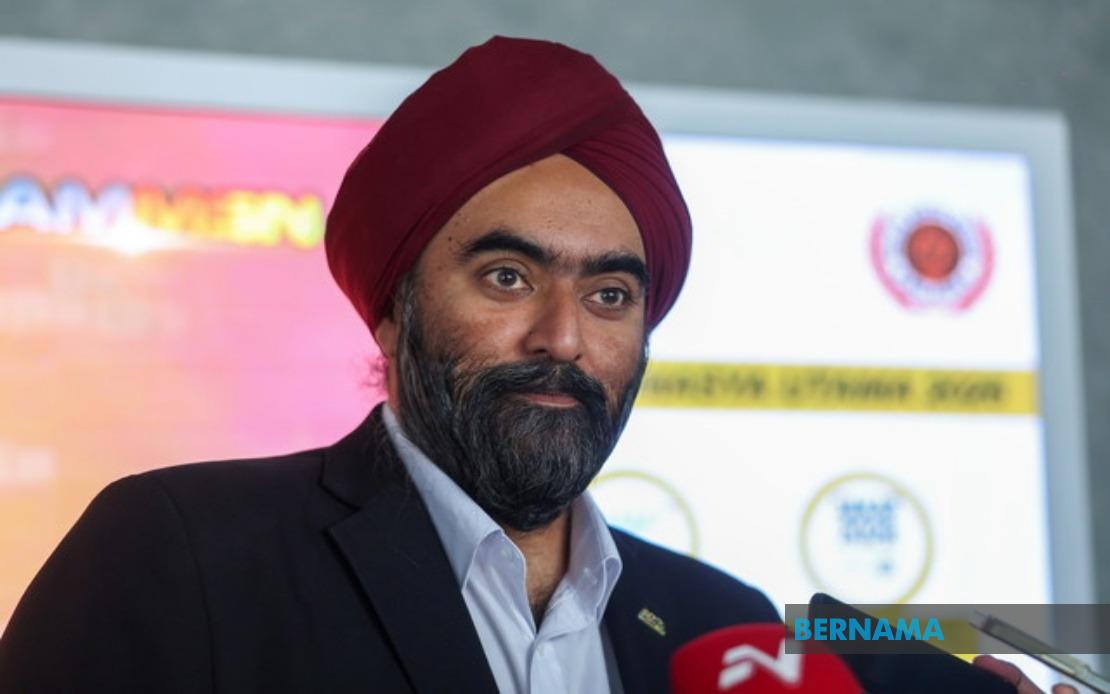
The Malaysian National Cycling Federation has escalated its push for dialogue with Yayasan Sime Darby, with federation leadership signalling readiness to convene high-level discussions aimed at lifting the suspension of the YSD Track Cycling and BMX Series 2026. The announcement came during the launch of the Le Tour de Langkawi 2026 route details in Putrajaya, where MNCF president Datuk Amarjit Singh Gill underscored the importance of resolving the impasse to safeguard talent development pathways in Malaysian cycling.
The series faced postponement following the emergence of technical difficulties, though the precise nature of these complications has remained largely opaque. Yayasan Sime Darby, the event's title sponsor and backing foundation, attributed the decision to administrative issues connected with federation operations, prompting calls from MNCF for clarification and collaborative problem-solving. This disagreement threatens a crucial platform for developing emerging Malaysian cyclists and maintaining the nation's competitive standing in regional track and BMX competitions.
Datuk Amarjit Singh Gill characterised the underlying dispute as fundamentally resolvable, rejecting suggestions that the matter involved insurmountable obstacles. Rather, he framed the situation as requiring constructive engagement between institutional partners operating at equivalent levels within the cycling ecosystem. His comments suggest that the federation views the postponement as a negotiating opportunity rather than a terminal breakdown, though the specific technical allegations levelled by Yayasan Sime Darby remain unaddressed in public forums.
The federation president emphasised that productive collaboration demands both parties recognise their interdependence and shared interest in cycling's advancement. He stressed that mutual respect must underpin any working relationship, particularly when strategic organisations with distinct mandates align toward common sporting objectives. This framing positions the current disagreement within broader governance principles applicable across professional partnerships and institutional arrangements.
AMNCF's posture suggests flexibility in meeting scheduling and agenda-setting, with leadership indicating availability for discussions at times convenient to Yayasan Sime Darby's management structure. The federation appears willing to address whatever grievances prompted the series postponement, signalling openness to procedural adjustments or clarifications that might satisfy the foundation's concerns. This accommodative stance indicates that federation officials view the suspension as potentially temporary pending successful negotiations.
For Malaysian cycling, the postponement creates meaningful disruption in athlete development timelines. The YSD Track Cycling and BMX Series 2026 represents one of several platforms through which national federations identify and nurture emerging talent for eventual progression to elite international circuits. The interruption threatens to disrupt training schedules and competitive preparation for younger athletes preparing for regional championships and Olympic qualification pathways. The series' resumption carries implications extending beyond immediate participants to encompass the broader institutional health of Malaysian cycling infrastructure.
Yayasan Sime Darby's withdrawal of support, even temporarily, reflects a concerning trend in Malaysian sports sponsorship where commercial partners occasionally exercise leverage through funding mechanisms to influence federation operations. The foundation's significant financial commitment to cycling development gives it considerable influence over programme scheduling and format, potentially creating tension when administrative philosophies diverge between sponsors and sporting bodies. The current standoff illustrates the vulnerability of athlete-focused initiatives to disruption from upstream organisational conflicts.
The Le Tour de Langkawi platform, where Datuk Amarjit Singh Gill made his statements, serves as Malaysia's premier road cycling event and attracts international professional teams alongside domestic competitors. The announcement of LTdL 2026 details underscores the federation's broader ambitions for cycling development across multiple disciplines. However, the simultaneous reality of the YSD series postponement highlights internal tensions threatening to undermine comprehensive talent development strategies.
Datuk Amarjit Singh Gill's emphasis on mutual respect as a foundational principle suggests that the dispute, while framed technically, may involve questions of institutional autonomy or procedural authority. His repeated invocation of partnership equality hints that the federation may perceive overreach in Yayasan Sime Darby's attempts to dictate operational matters beyond sponsorship scope. Resolving such governance questions requires both parties to establish clear demarcation lines between funder prerogatives and federation independence in technical cycling matters.
The federation's public positioning prioritises achieving resolution while preserving relationships necessary for sustained cycling funding. By characterising the situation as amenable to resolution through dialogue, MNCF leadership avoids inflammatory rhetoric that might further entrench Yayasan Sime Darby's position or invite additional public criticism. However, this diplomatic approach also risks appearing insufficiently responsive to athletes and stakeholders requiring concrete timelines for resumption.
For Southeast Asian cycling more broadly, the Malaysian situation reflects broader challenges facing sports federations operating within sponsorship-dependent funding models. When foundations or commercial entities exercise funding leverage to influence federation governance, athlete-centred development objectives can become secondary to institutional disputes. The YSD series postponement therefore carries relevance beyond Malaysia's borders as case study material for regional sports administrators considering governance frameworks and sponsor relationship protocols.
The pathway forward depends substantially on Yayasan Sime Darby's willingness to engage in substantive dialogue with MNCF leadership. Should the foundation prove receptive to the federation's meeting overtures, technical issues previously cited may yield to collaborative problem-solving. Conversely, prolonged postponement could force alternative funding arrangements or programme restructuring that might diminish the series' competitive calibre or participant opportunities. The coming weeks will prove critical in determining whether Malaysian cycling's development trajectory continues uninterrupted.

