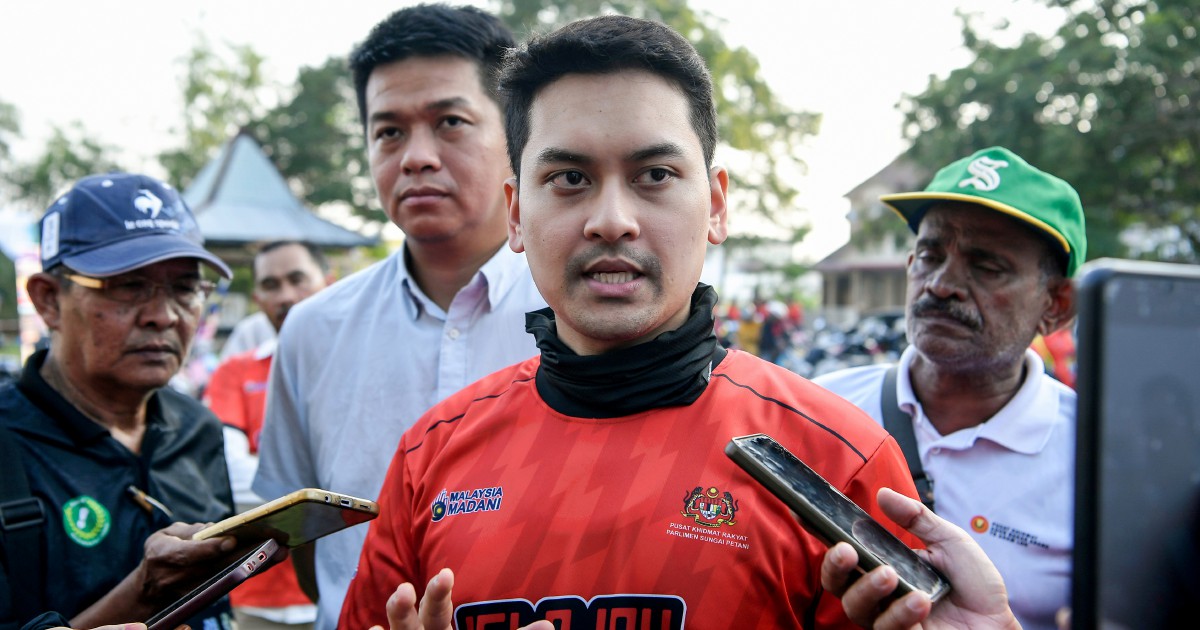
Youth and Sports Minister Dr Mohammed Taufiq Johari has called for a rigorous and comprehensive investigation into the circumstances surrounding the death of an 11-year-old girl in Alor Star, who reportedly collapsed while participating in a sporting activity at school following a teacher's instruction.
The incident raises critical questions about duty of care, medical screening protocols, and the safeguards schools have in place when engaging young students in physical activities. The alleged involvement of a teacher's directive to participate adds a layer of institutional responsibility that requires careful examination by relevant authorities. Dr Taufiq Johari's intervention signals the seriousness with which the government views potential lapses in student safety during school-sponsored physical activities.
The girl's death from what authorities believe was a heart condition has prompted immediate scrutiny of whether proper medical assessments were conducted before the sporting activity commenced. Schools across Malaysia typically conduct health screenings, but questions have emerged about whether these procedures are sufficiently comprehensive to identify pre-existing cardiac conditions in children. The identification of any underlying health issues is crucial, as some heart conditions in young people can be asymptomatic and only manifest under physical exertion.
The circumstances under which students are mandated to participate in sporting activities at school warrant careful review. While physical education and sports are integral components of Malaysian school curricula, designed to promote fitness and wellness among the youth population, there must be clear protocols for exemptions based on medical grounds. The involvement of a teacher's directive in this case suggests the need to examine communication channels between medical staff, teaching personnel, and school administration regarding student health status.
This incident comes at a time when Malaysia has been increasingly focused on youth development and sporting excellence as part of its broader agenda to enhance the nation's athletic performance on regional and international stages. However, such aspirations must be carefully balanced against the fundamental responsibility to protect the physical wellbeing of young participants, particularly when health risks may be present.
The investigation ordered by the minister will likely examine multiple dimensions of the case, including whether the school possessed accurate medical records pertaining to the student, whether any risk factors were identified or communicated to relevant parties, and whether the teacher had received appropriate training in identifying signs of medical distress during physical activities. Additionally, authorities will need to determine if emergency response protocols were properly activated once the girl collapsed.
For parents and guardians across Malaysia, this incident underscores the importance of maintaining transparent communication with schools regarding their children's health conditions. It also highlights the necessity for comprehensive pre-participation physical evaluations, particularly for students with known or suspected cardiovascular issues. Schools should maintain updated medical documentation that is accessible to teachers and physical education coordinators.
The broader implications for Malaysian education extend beyond this single tragic case. The incident may prompt a national review of sporting activity protocols in schools, potentially leading to enhanced screening procedures, updated teacher training requirements, and clearer guidelines on when students should be excused from strenuous physical activities. Policymakers will need to consider whether current regulations adequately protect vulnerable students while maintaining the benefits of an active lifestyle.
Expert commentary will likely focus on the role of sudden cardiac events in young people, which account for a significant proportion of unexpected deaths during sports in developed nations. While such incidents are rare, their potential occurrence demands that schools implement appropriate safeguards, including access to automated external defibrillators and staff trained in cardiopulmonary resuscitation.
Dr Taufiq Johari's directive for a thorough investigation sends a clear message that the government takes student safety seriously and will not overlook potential systemic failures in school sporting programs. The findings from this inquiry could result in revised national guidelines and improved practices across all Malaysian educational institutions.
As the investigation proceeds, authorities must balance the need for accountability with compassion for the grieving family. The outcome of this case will likely influence how schools approach physical activity management for years to come, potentially affecting thousands of young Malaysians and their families. The examination of what transpired will provide valuable lessons for improving student protection frameworks throughout the education system.

