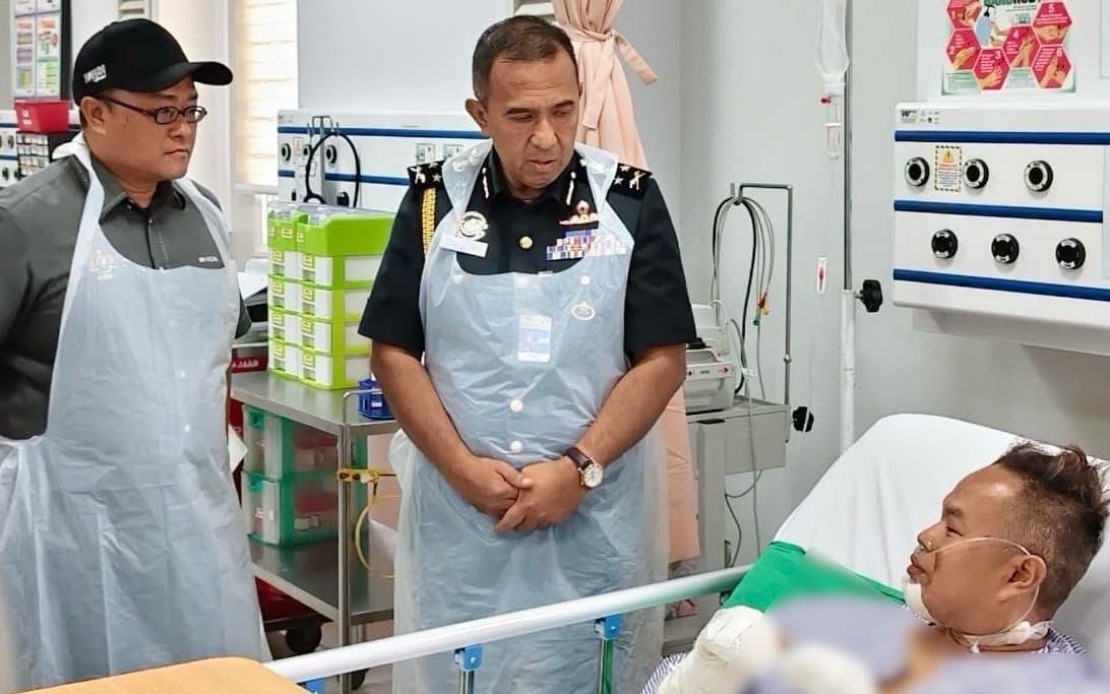
Two enforcement officers from the Domestic Trade and Cost of Living Ministry sustained injuries while executing their duties in Selangor during Ops Tiris 4.0, an intensified nationwide campaign designed to stamp out the unlawful diversion of subsidised liquefied petroleum gas through decanting operations. Assistant Enforcement Officer Mohammad Fauzi Baharuddin incurred more substantial injuries requiring ongoing medical attention, whilst Enforcement Assistant R. Yoghanath experienced minor trauma and was discharged following initial treatment.
Minister Datuk Armizan Mohd Ali publicly acknowledged the incident through a social media statement, conveying compassion for both officers and their families. He directed particular concern towards Mohammad Fauzi's condition and recovery trajectory, recognising the emotional toll such workplace incidents impose on immediate family members. The minister's measured response underscored the gravity of field-based enforcement work and the unpredictable hazards that materialise during routine operational activities.
The incident illuminates a fundamental yet often overlooked dimension of Malaysia's regulatory enforcement landscape. Whilst the public discourse surrounding subsidy management typically concentrates on economic metrics and policy effectiveness, the human cost of preventing diversion schemes receives comparatively little attention. Enforcement personnel tasked with monitoring and interrupting LPG decanting operations navigate environments where confrontation with suspects represents an occupational reality, distinguishing their work from purely administrative functions.
Ops Tiris 4.0 represents the Ministry's escalated commitment to combating the systematic misappropriation of subsidised gas supplies. Decanting—the illegal transfer of LPG from subsidised domestic cylinders into alternative containers for commercial resale—constitutes both a fiscal drain on government resources and a distortion of the subsidy programme's intended beneficiaries. The operation targets networks engaged in this profitable yet unauthorised activity, requiring field officers to identify suspicious patterns and conduct thorough investigations.
Armizan's public messaging transcended conventional sympathy to emphasise a broader acknowledgment of enforcement personnel's contributions. His characterisation of officers as individuals who routinely leave their families to confront uncertain and occasionally dangerous situations reflects an attempt to elevate public recognition of these professionals' roles. This rhetorical approach carries particular significance in a Malaysian context where civil service contributions, particularly among lower-ranking operational staff, frequently remain underacknowledged within mainstream discourse.
The minister's prayer offerings and expressions of solidarity extend beyond ceremonial politeness. They signal ministerial commitment to worker welfare and legitimise the occupational hazards inherent in enforcement activities. For KPDN personnel operating throughout the country, such public acknowledgment from leadership reinforces institutional accountability and demonstrates that injuries sustained during operations receive official recognition rather than bureaucratic dismissal.
The prevalence of LPG decanting reflects broader challenges within Malaysia's subsidy architecture. Subsidised gas programmes, whilst designed to alleviate household energy costs, inadvertently create economic incentives for diversion when price differentials between subsidised and market rates remain substantial. Enforcement operations thus represent necessary interventions to protect programme integrity, though they expose field officers to confrontational situations where suspects may resist investigation attempts.
Regionally, Malaysia's experience with subsidy-related enforcement challenges mirrors patterns observed across Southeast Asian nations grappling with similar structural economic issues. The vulnerability of enforcement personnel during subsidy protection operations transcends national boundaries, affecting officers throughout the region who confront entrenched networks profiting from diversion schemes. Mutual learning between regional governments regarding officer safety protocols during such operations could enhance protective measures across the ASEAN community.
Moving forward, the incident raises substantive questions regarding occupational safety provisions for KPDN enforcement staff. Adequate training in de-escalation techniques, appropriate protective equipment, and backup support systems during high-risk operations warrant evaluation. These considerations extend beyond individual personnel welfare to encompass operational effectiveness, as safer working conditions facilitate sustained enforcement capacity and reduce staff attrition resulting from workplace injuries.
The injuries sustained during Ops Tiris 4.0 underscore the tangible costs associated with regulatory enforcement in subsidy protection frameworks. While policymakers and economic analysts debate subsidy reform strategies, the field-level consequences materialise as occupational injuries and family disruptions. Acknowledging this reality, as Minister Armizan has attempted, represents a necessary step toward developing enforcement structures that balance programme objectives with personnel safety considerations.
Government commitment to improving conditions for enforcement personnel should encompass both immediate medical support and longer-term institutional measures. Enhanced compensation frameworks for injury-related incidents, comprehensive health insurance coverage, and psychological support services for affected staff and their families would demonstrate substantive follow-through on ministerial sympathy. Such measures would simultaneously strengthen KPDN's organisational resilience and boost morale among enforcement teams.
As Malaysia continues refining its approach to subsidy management and combating diversion networks, the human element within enforcement operations merits sustained attention. The injuries to Mohammad Fauzi and Yoghanath represent more than isolated incidents; they highlight systemic vulnerabilities within operational frameworks that require multifaceted solutions combining improved protocols, enhanced training, and genuine institutional support for personnel bearing the frontline burden of subsidy protection.

