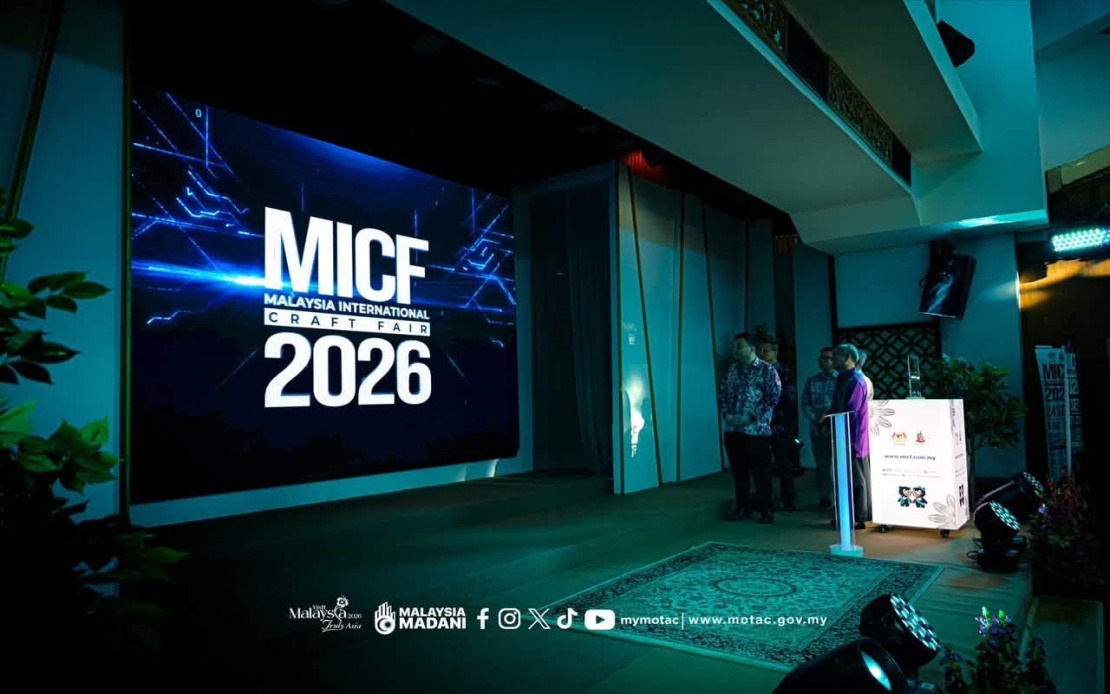
Malaysia's craft sector is preparing for a significant international showcase with the Malaysia International Craft Fair 2026, a 12-day event running from September 24 to October 5 at the Kuala Lumpur Craft Complex. Organised by Kraftangan Malaysia, the fair aims to attract 400 participants comprising 300 local artisans and 100 international craftspeople representing more than 20 countries, positioning it as a major platform for cultural exchange and commerce within Southeast Asia's creative economy.
The event's primary value proposition centres on facilitating meaningful connections between established craft masters and emerging entrepreneurs. Organisers envisage the fair creating concrete networking opportunities and strategic partnerships that will help local artisans gain access to international markets whilst enabling foreign craftspeople to understand Malaysian production capabilities and consumer preferences. This bilateral knowledge transfer becomes increasingly important as Southeast Asian craft sectors face pressure from mass-produced alternatives and changing consumer tastes globally.
The international programme features six nations demonstrating their signature craft traditions. China will present jade carving techniques, New Zealand will showcase Maori carving traditions, Uzbekistan will display jewellery art practices, Sri Lanka will demonstrate Beeralu lace work, Indonesia will present leather art methodologies, and India will feature Tarkashi brass inlay work. These demonstrations serve a dual purpose—allowing visitors to appreciate the technical diversity across different cultures whilst providing peer learning opportunities for participating artisans to observe and potentially adapt innovative approaches within their own disciplines.
Malaysia's domestic craft heritage will receive equal prominence through live demonstrations by ten local craft masters and entrepreneurs. This parallel showcase underscores the government's commitment to positioning Malaysian traditional crafts as equally sophisticated and marketable as their international counterparts. The emphasis on both local and imported traditions reflects broader regional aspirations to preserve endangered craft knowledge while enhancing competitiveness in contemporary global markets where authenticity and storytelling increasingly drive consumer purchasing decisions.
Beyond craft demonstrations, MICF 2026 encompasses a comprehensive programme designed to engage diverse audiences and facilitate business connections. The fair will feature dedicated craft exhibitions highlighting different disciplines and regional specialisations, interactive activities enabling visitors to attempt basic techniques, and curated cultural performances that contextualise craftsmanship within broader artistic traditions. An International Craft Talk series will host seminars addressing contemporary challenges facing the sector, from digital marketing strategies to sustainable material sourcing and fair trade principles.
The International Fashion Showcase represents a significant programming element that reflects evolving craft market dynamics. Traditional textile techniques, beadwork, embroidery, and leather craftsmanship increasingly intersect with contemporary fashion design, creating commercial opportunities that extend beyond conventional craft markets. Malaysian designers and artisans have demonstrated particular success in this intersection, and this dedicated platform will enable international exposure and direct buyer engagement with fashion-oriented craft practitioners.
Strategic partnerships have proven instrumental in developing the event's scope. Organisers have secured collaborative arrangements that will incorporate traditional cooking demonstrations—a logical complement to craft displays that emphasises experiential learning and appeals to visitors seeking comprehensive cultural immersion. These partnerships extend the fair's reach beyond established craft enthusiasts to encompass broader audiences interested in cultural tourism and lifestyle experiences.
Operational arrangements prioritise visitor accessibility and participant comfort. The fair operates daily from 10 am to 10 pm across its 12-day run, accommodating both leisure visitors and professional buyers seeking extended browsing and negotiation periods. This extended operating schedule recognises that serious commercial discussions and large purchase decisions typically require unhurried engagement—a particular advantage for international buyers potentially engaging in cross-border transactions involving substantial commitments.
Deputy Minister of Tourism, Arts and Culture Chiew Choon Man officiated the event's pre-launch at the Kuala Lumpur Craft Complex, signalling government prioritisation of craft sector development within Malaysia's tourism and cultural policy framework. This ministerial involvement indicates the fair's perceived strategic importance for Malaysia's positioning as a Southeast Asian cultural destination and its commitment to preserving endangered traditional knowledge systems whilst creating sustainable livelihoods for contemporary artisans.
The Kuala Lumpur Craft Complex serves as an appropriately symbolic venue—an institution dedicated to craft preservation and promotion that already functions as a repository of Malaysian traditional skills. Hosting MICF 2026 there reinforces the complex's contemporary relevance and its evolution beyond a museum-like institution into a dynamic marketplace and knowledge-exchange hub. This positioning reflects broader global trends wherein cultural institutions increasingly blend preservation, education, commercial activity, and experiential tourism to remain financially viable and culturally resonant.
For Malaysian artisans, the fair presents concrete opportunities to diversify revenue streams and access international supply chains. Regional craftspeople increasingly recognise that domestic markets alone cannot sustain traditional practices—international export relationships and tourism-driven sales become essential for business viability. MICF 2026 provides structured access to international buyers and media that smaller artisans typically struggle to achieve independently.
The event's international participation underscores Southeast Asia's emerging prominence within global craft economies. As developing economies worldwide seek to valorise traditional knowledge and create employment within cultural sectors, international craft fairs function as critical infrastructure enabling market access, trend identification, and intercultural dialogue. MICF 2026 positions Malaysia as a credible regional hub within these emerging networks, potentially establishing precedent for future iterations and complementary regional initiatives.

