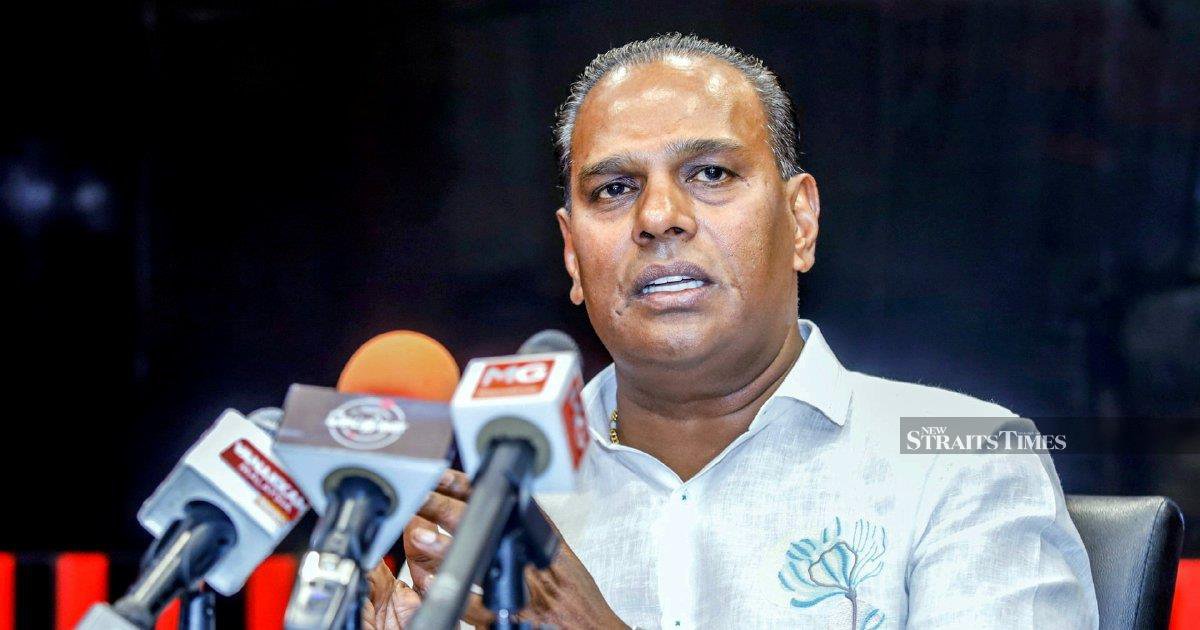
Datuk Seri M. Saravanan, the deputy president of the Malaysian Indian Congress, announced today that he will make an appearance before the KL Sessions Court as a defendant in ongoing legal proceedings. The senior political figure confirmed his forthcoming court date through a public statement, signalling his readiness to engage with the judicial process despite the gravity of the situation confronting his political standing.
The confirmation from Saravanan represents a significant moment for the MIC, one of the components of the Barisan Nasional coalition that has long maintained substantial influence within Malaysian politics, particularly within the Indian community. His formal entrance into the criminal justice system as an accused party marks a notable episode in the party's recent history and raises questions about its internal leadership stability and public credibility in coming months.
The nature of the charges Saravanan faces remains a critical element of the unfolding narrative, though his willingness to confirm his court appearance suggests a strategic approach to managing the legal challenge. Political observers note that his proactive communication about the proceeding demonstrates an attempt to control the narrative surrounding his case rather than allow media speculation or third-party commentary to dominate public perception.
For the broader Malaysian political landscape, this development intersects with ongoing conversations about accountability within senior political circles. The fact that a high-ranking member of an established coalition party now faces formal charges underscores the increasingly stringent application of legal scrutiny that has characterised the post-2018 political environment in Malaysia.
The timing of the charges carries particular weight given the MIC's efforts to maintain its relevance within an evolving political coalition structure. The party's ability to manage this internal crisis while maintaining its grassroots support among Indian Malaysian voters will likely influence its electoral prospects in future contests at both state and federal levels.
Saravanan's position as deputy president places him within the upper echelon of MIC leadership, making his legal proceedings a matter of considerable interest not merely to party members but to the broader Malaysian public invested in questions of governance and leadership standards. The visibility of his case may prompt discussion about the mechanisms through which political parties handle internal matters involving senior figures facing legal challenges.
The court appearance scheduled for the coming day will mark the formal commencement of judicial proceedings against Saravanan. The KL Sessions Court hearing represents the platform through which charges will be formally presented, potentially providing greater clarity about the specific allegations he faces and the anticipated trajectory of his case through the judicial system.
Observers within Malaysian legal and political circles will be monitoring developments closely, as the outcome of Saravanan's case may carry implications extending beyond his individual circumstances. Precedents established through high-profile cases involving prominent political figures often influence public discourse surrounding institutional accountability and the independence of Malaysia's judicial processes.
The confirmation itself reflects a departure from patterns sometimes observed in comparable situations, where public figures have delayed or avoided transparent acknowledgment of pending legal proceedings. Saravanan's direct confirmation may be interpreted as an effort to demonstrate cooperation with investigative and judicial authorities, potentially influencing perceptions of his character among both his political allies and the broader electorate.
As the case progresses, attention will focus on how the MIC responds institutionally and whether the party implements any internal measures reflecting its position on standards of conduct for senior leadership. The political ramifications for Saravanan personally remain substantial, given that conviction on serious charges would almost certainly necessitate his resignation from formal positions within both the party and any government roles he may hold.
The Malaysian Indian community, traditionally aligned with the MIC, may experience competing reactions to these developments. While some constituents might view the judicial process as appropriately addressing alleged misconduct, others could perceive the proceedings as damaging to the party's collective reputation and its capacity to advocate effectively for community interests at the national level.
The coming court hearing will provide the first substantial public clarity regarding the specifics of the case against Saravanan. Legal experts and political commentators anticipate that the preliminary proceedings will establish procedural parameters and timelines that will govern the progression of the matter through subsequent judicial stages, ultimately shaping the extended timeline and resource demands associated with his defence.

